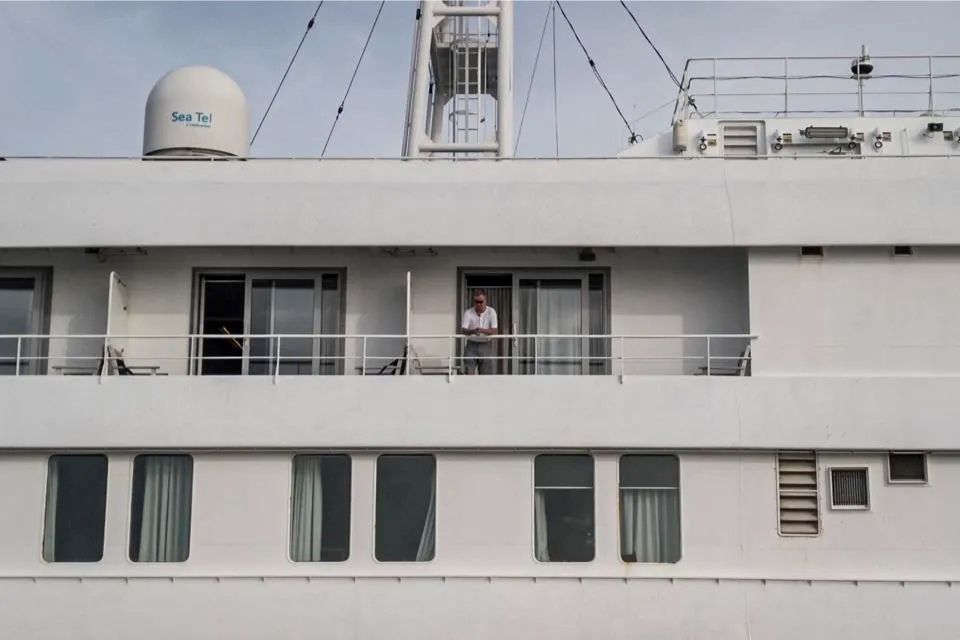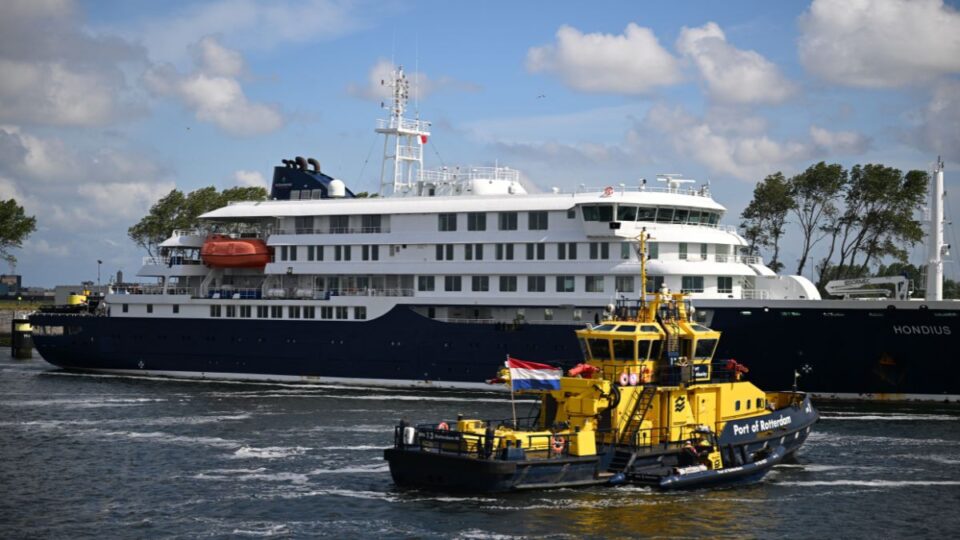








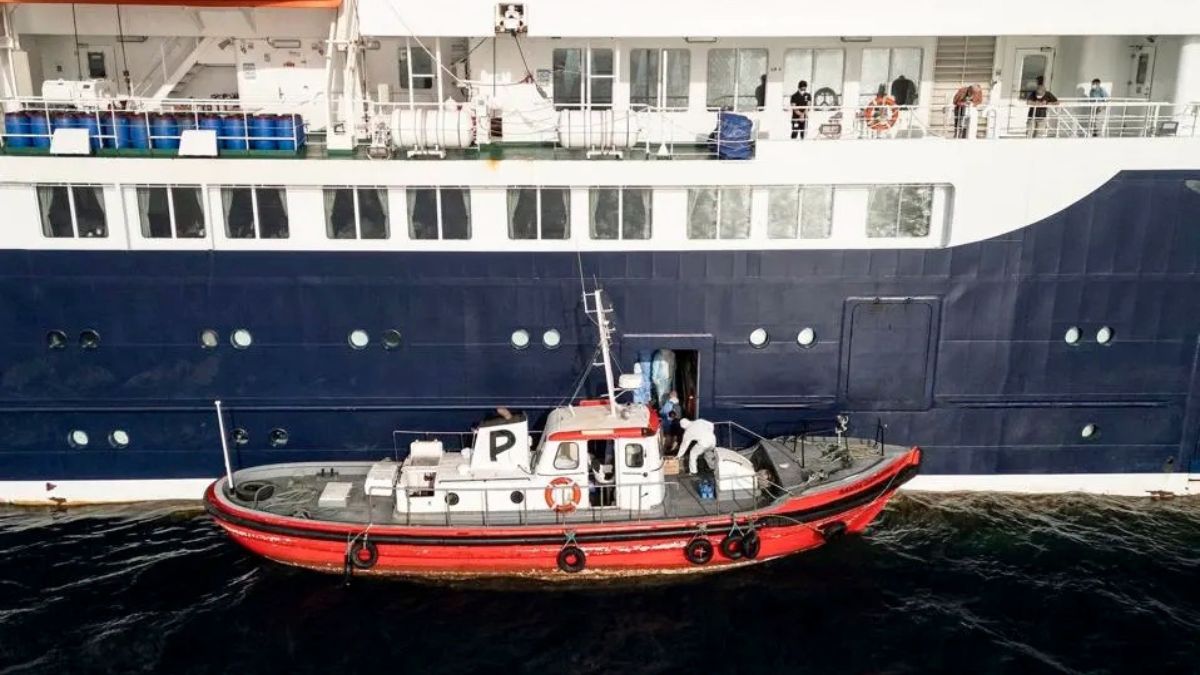
Spain’s Health Minister, Mónica García, said Wednesday that passengers on the MV Hondius—the cruise ship linked to a hantavirus outbreak that has caused three deaths—will be able to disembark once the ship docks in the Canary Islands later this week, while those with symptoms will be quarantined.
Key Points
– García noted that the ship is heading to the port of Granadilla, in Tenerife, where all passengers will be evacuated before those who do not show symptoms are allowed to return to their home countries.
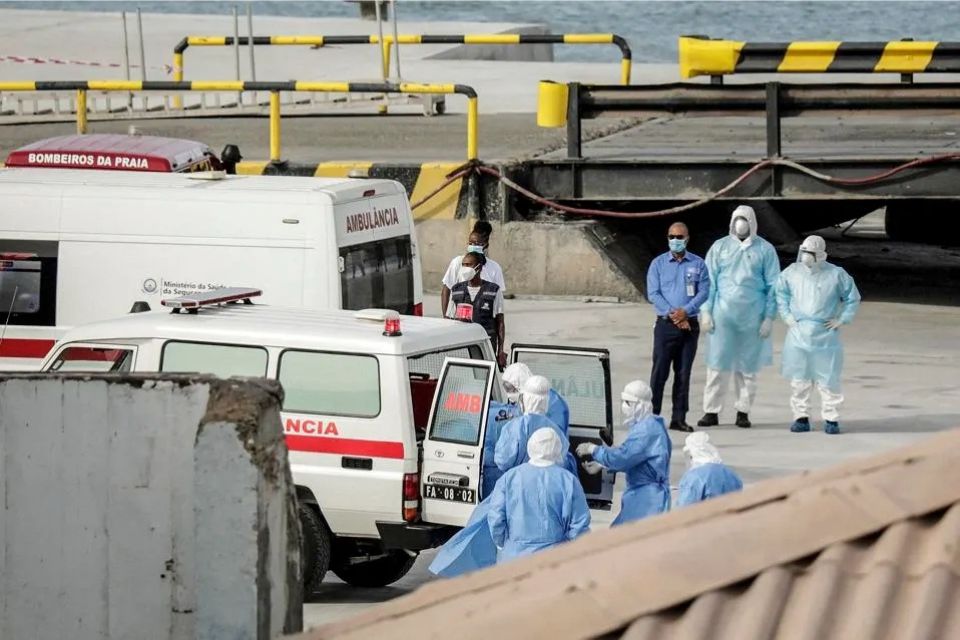
– Spanish citizens and people with symptoms will be quarantined at a military base in Madrid.
– Authorities confirmed on Wednesday that the illness detected on board is caused by the rare Andean variant of the hantavirus, a zoonotic virus transmitted by rodents, and noted that there are at least five cases that have not yet been confirmed.
– In a statement posted on X, the World Health Organization confirmed that Swiss authorities had detected a third case of hantavirus after a man who had traveled on the MV Hondius cruise ship was hospitalized in the country.
– The BBC reported that the man had been part of the first leg of the cruise ship’s South American voyage, although he had returned to his home country “in late April.”
– According to the WHO, the man “responded to an email sent by the ship’s operator” regarding the outbreak and went to a hospital in Zurich, where he remains under medical care.
– The United Nations agency stated that the virus responsible for the outbreak has been identified as the “Andes hantavirus,” a rare and deadly strain that can be transmitted between humans.
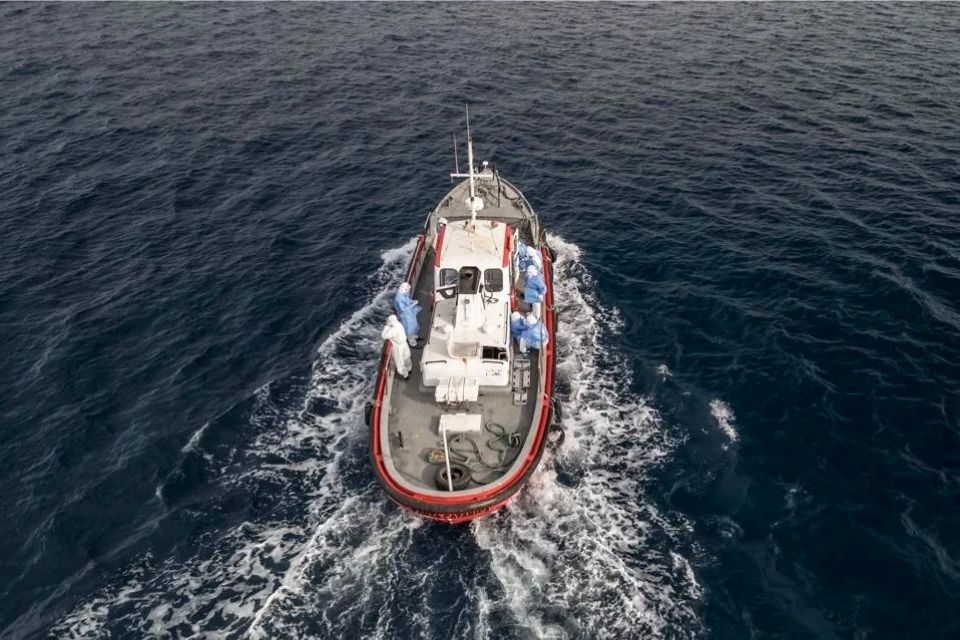
– WHO Director-General Tedros Adhanom Ghebreyesus also announced that three patients suspected of having hantavirus were evacuated from the ship and are on their way to receive medical treatment in the Netherlands.
– So far, the WHO has reported three confirmed cases and five suspected cases linked to the outbreak.
– Authorities have reported three deaths linked to the outbreak, although only one has been officially confirmed as a case of hantavirus: that of a 69-year-old Dutch woman whose husband died on board the cruise ship.
Is the ship heading to the Canary Islands?
A few hours earlier, the Spanish public broadcaster TVE reported that the ship would be granted permission to dock on the island of Tenerife.
However, just a few hours after the announcement, the president of the Canary Islands, Fernando Clavijo, stated that he would reject the Spanish government’s decision to allow the cruise ship to dock in the archipelago.
The newspaper El País reported that Clavijo criticized the central government’s “lack of loyalty and transparency” in handling this matter.
In response, Prime Minister Pedro Sánchez reportedly called an emergency meeting with several members of his cabinet. According to the newspaper, the meeting will address a “request” from the WHO to authorize the ship to dock in the Canary Islands.
What did the cruise line say?
What did the cruise line say?
In its most recent update, released Wednesday morning, the ship’s Dutch operator, Oceanwide Expeditions, noted that the cruise ship remains anchored off the coast of Cape Verde.
The statement was issued before the WHO announced the evacuation of the three suspected passengers, although the company had already indicated that they would be transported on a specialized aircraft.
Two of the three suspected cases are showing acute symptoms and will be “transferred to medical and screening facilities,” while the third person has been identified as someone “closely associated with the passenger who died on board.”
The cruise line added that two infectious disease specialists will travel from the Netherlands to board the ship and remain on board after it departs from Cape Verde.
“At this stage, the MV Hondius is scheduled to head to the Canary Islands following the successful medical evacuation,” the statement added.
The journey from Cape Verde to the Canary Islands is estimated to take about three days.
What have Swiss authorities said about the case detected in the country?
The Swiss Federal Office of Public Health stated that the infected patient is a man who was traveling on board with his wife.
After noticing symptoms, the man contacted his primary care physician and went to the University Hospital of Zurich, where he was “immediately placed in isolation.”
Authorities noted that, although person-to-person transmission is possible with the Andean variant of the virus, it “occurs only through close contact,” and therefore they consider the emergence of new cases in Switzerland to be “unlikely.”
The statement adds that the patient’s wife has not shown any symptoms, although she remains in isolation as a precautionary measure.