








Until very recently, three words existed in worlds that were worlds apart. “Hantavirus” was a term that rarely ventured beyond epidemiology conferences and virology papers. Oceanwide Expeditions was a shipping company known only to connoisseurs of a niche sector like polar expedition travel and specialized tour operators. And Hondius was, for most people, a Dutch name vaguely associated with 16th-century maps and the Golden Age of Flemish cartography.
Suddenly, those three words collided and spread around the world. Behind each one lies a story that deserves to be told.
A man who drew the world
Joost de Hondt was born in 1563 in Wakken, in the County of Flanders (present-day Belgium), and is known to history as Jodocus Hondius, the Latinized version of his Dutch name. An engraver and cartographer, he is one of the leading figures of the Golden Age of Dutch cartography and played a decisive role in establishing Amsterdam as the major European cartographic center of the 17th century. His surname also carries a certain linguistic irony: “hond” means “dog” in Dutch, and Hondius himself was well aware of this.
The mark I used as a publisher was a dog resting its front paws on the dial, accompanied by the inscription “Cane Vigilanti,” meaning “the watchdog.”
In 1604, he acquired the plates from Mercator’s Atlas and prepared a revised edition in Amsterdam. The new atlas, published in 1606, retained the maps from the original edition, though it included several new engravings by Hondius himself, expanding the coverage to include Africa, Asia, and the Americas.
A Renaissance man who mapped the unknown, sketched the coastlines that others explored, and immortalized the voyages of Francis Drake. Four centuries later, his name sails the polar seas he never imagined.
A shipping company born from a foundation and a sailboat
Founded in 1994, Oceanwide Expeditions’ history did not begin that year, but earlier. The Plancius Foundation, established in the Netherlands in 1981, was its direct predecessor: the first cruise operator to organize regular, annual expeditions to Spitsbergen and its surrounding waters.
Since 1983, the Plancius has taken the first expedition travelers to that archipelago located at the confluence of the Arctic Ocean, the Barents Sea, and the Greenland Sea. A passion was born. When the Foundation ceased operations a decade later, Oceanwide picked up the torch and picked up exactly where the Foundation had left off.
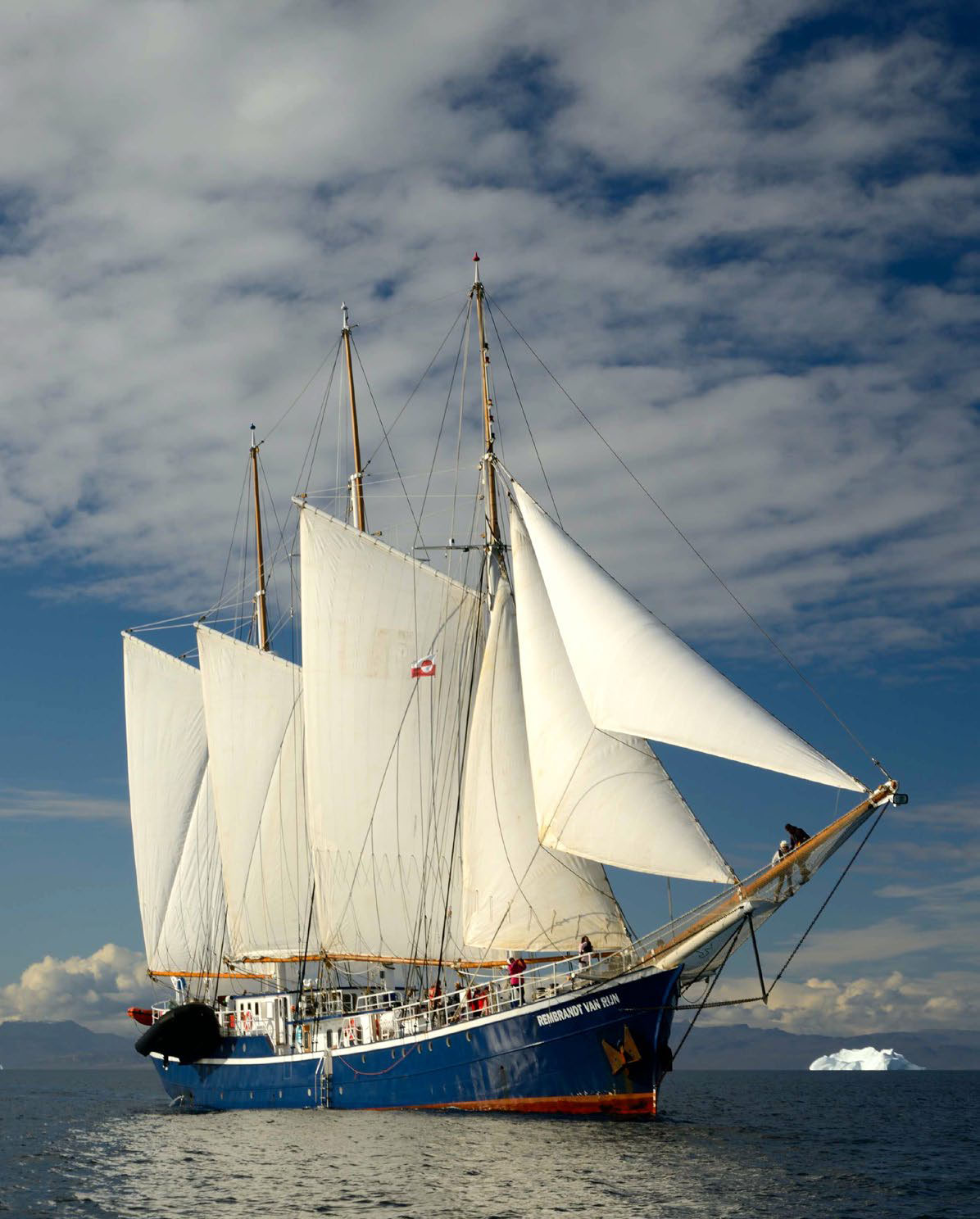
The first ship on which Wijnand van Gessel led his own expedition to the Arctic was a three-masted schooner, the Rembrandt van Rijn, bound for Spitsbergen. It was 1994, and Van Gessel had just founded his shipping company. Two years later, he took over the legacy of the Plancius Foundation.
Three decades later, what began as a family adventure on a sailboat has grown into a world-leading operator: in 2024, the Expedition Cruise Network recognized Oceanwide as the world’s best polar expedition operator.
Thirty years after that first schooner, the Van Gessel family business had an annual turnover of 44 million euros and operated several polar expedition ships.
The ship that was born where submarines were built
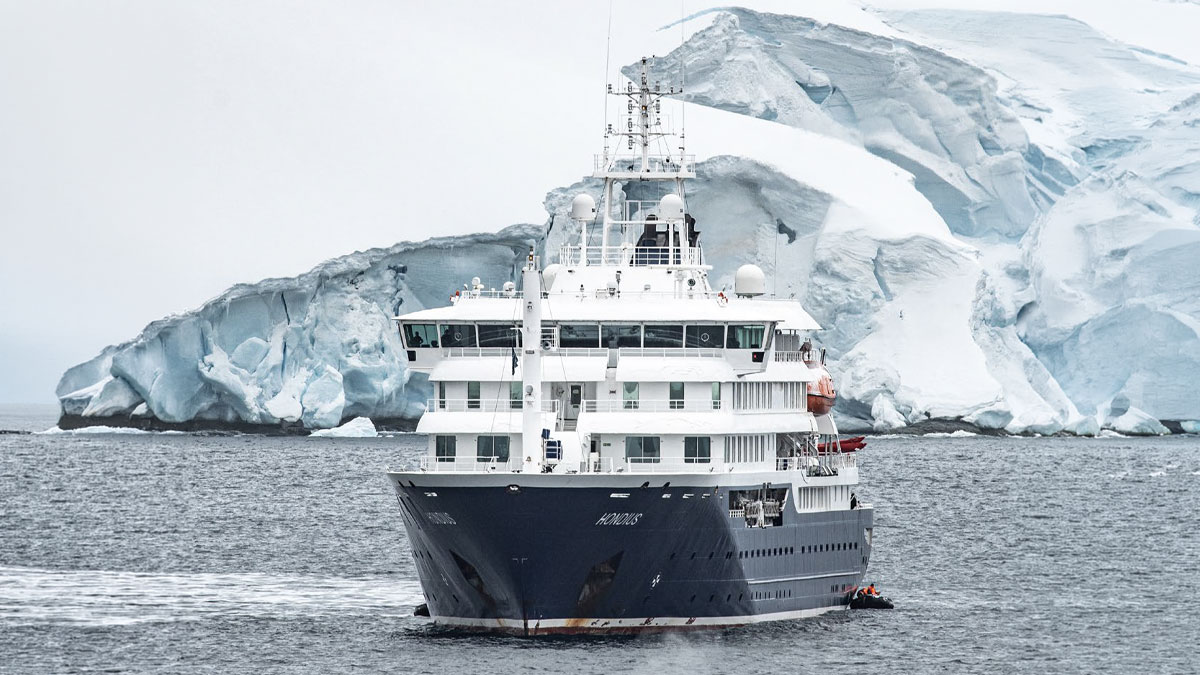
The now-famous MV Hondius has its own story of contrasts. It was built at the Croatian shipyard Brodosplit in Split and delivered to Oceanwide in May 2019. Brodosplit is not just any shipyard. When Croatia was part of Yugoslavia, the country’s Navy submarines were built on those very slipways, which were then called ‘Brodogradilište specijalnih objekata,’ the shipyard for special objects.
From Marshal Tito’s submarines to polar expedition cruises. From Cold War industrial secrecy to the understated luxury of 170 passengers observing ice and penguins in Antarctica. Few industrial journeys are quite so cinematic.
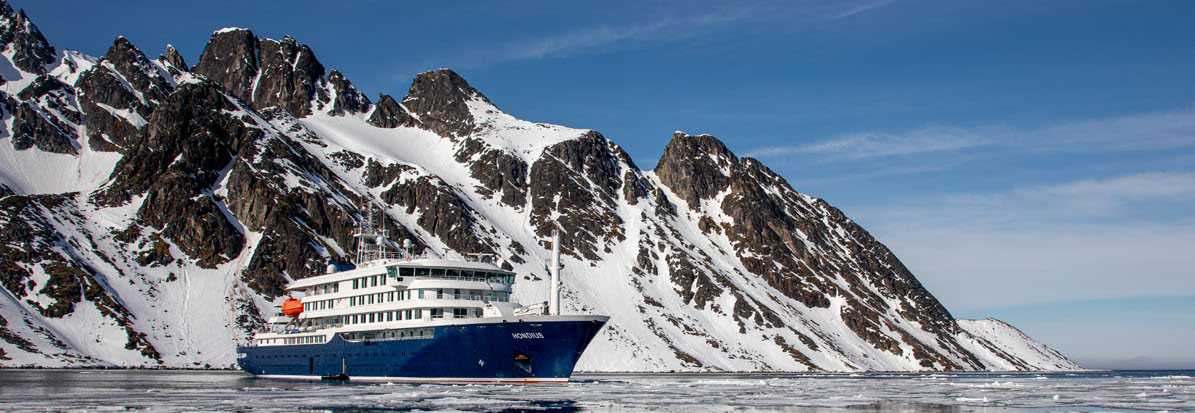
The Hondius is 107.6 meters long and 17.6 meters wide, with a gross tonnage of 6,603 GT. Its eight passenger decks house 95 cabins, and the crew ranges from 69 to 72 people. Perhaps the technical feature that has most surprised the general public during the hantavirus crisis is another: the ship is registered with Polar Class 6 certification, meeting the latest Lloyd’s Register standards for ice-strengthened cruise ships.
The continent that is no longer just for scientists
The health crisis has also drawn attention to a trend that had been quietly gaining momentum: the relative overcrowding of Antarctica. What for decades was the exclusive domain of researchers and a handful of well-heeled adventurers has become an expedition destination that is accessible—albeit expensive—to an increasingly broad audience.
According to the industry association CLIA, the number of passengers booking expedition cruises increased by 71% between 2019 and 2023, with polar routes seeing the strongest growth during that period. For several seasons now, the number of visitors has exceeded 100,000 per year, and the figure continues to rise.
These are figures that would have seemed implausible a generation ago. Today, the frozen continent attracts more tourists than many established Mediterranean destinations during peak season. And, significantly, most of these travelers refuse to be called “cruise passengers”: they describe themselves as expeditioners, explorers, or nature travelers. Semantics matter when the price of a cabin often exceeds several thousand euros.
Three words that half the world now knows
There is something strangely symbolic about the fact that a virus, a shipping company, and a 16th-century cartographer have come together to shed light on a world that operated discreetly and outside the public eye. Oceanwide Expeditions was not seeking fame.
The Hondius is a technically sophisticated ship that is practically invisible to anyone outside that specific field. And Jodocus Hondius had been lying dormant in specialized encyclopedias for four centuries.
The crisis has brought them all into the spotlight. And in doing so, it has revealed the existence of an entire industry that operates perfectly well without needing much media attention.
Perhaps that was, deep down, his greatest virtue.


