







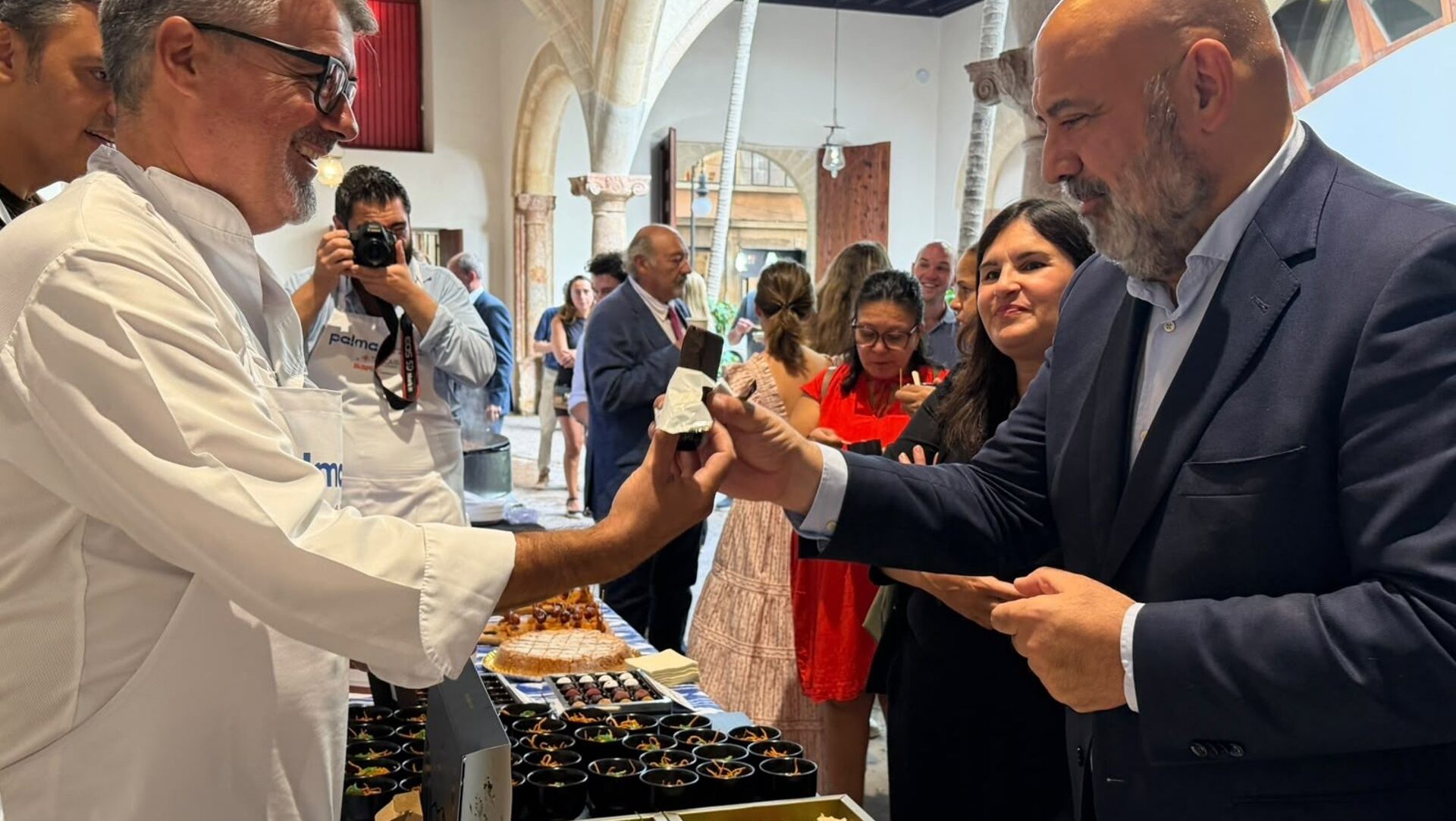
Palma wants its cuisine to stop being an open secret. On Tuesday, the city unveiled the ‘Palma: Gastronomic Capital of the Mediterranean Islands’ project, an initiative designed to highlight the role of the restaurant scene as one of the city’s main gateways. Or, in the words of the mayor, Jaime Martínez, a way to enjoy Palma “from a different perspective.”
The proposal is rooted in a reality the city has been fostering for years: a rich and diverse culinary culture built on recipes and products passed down from generation to generation, yet also open to innovation. Tradition, as Martínez has argued, today coexists with new ways of approaching cooking without having to abandon its roots.
The title of ‘Gastronomic Capital of the Mediterranean’, awarded by the Ibero-American Academy of Gastronomy, highlights precisely this balance between culinary heritage and contemporary trends. Martínez has attributed the title to the work of institutions, but also—and above all—to that of the farmers and chefs, the key players who keep this gastronomic chain alive.
For Palma, the title also represents an opportunity to showcase its products and strengthen its position as a tourist destination. The mayor has emphasized that the hospitality sector is not only part of the experience for those who visit the city: it also revitalizes neighborhoods, creates jobs, and represents a “highly competitive” industry.
Part of this commitment was the creation, at the start of the legislative term, of the City of Palma’s Department of Restoration, designed to support the sector and also to serve as a channel for listening to its needs.
A window to Latin America
The city’s status as the capital will also have an international dimension. Rafael Ansón, president of the Ibero-American Academy of Gastronomy, has stated in a video that Palma has the support of the 17 countries that make up the organization, including Spain, Portugal, Mexico, Brazil, and Uruguay.
Ansón has invited the city to become the leader of Ibero-American cuisine in the Mediterranean, a connection that expands Palma’s gastronomic narrative beyond the island and opens the door to new culinary exchanges.
But if there’s one person who understands the change in the status of cooking, it’s Chef Andreu Genestra. During the presentation, he highlighted precisely the role of chefs and the evolution of a profession that, for years, had been out of the spotlight. “I’m proud that people now put a face to us, because many years ago we were in the dungeons, but we made people happy with our food,” he said.
The goal now is for this cuisine to help change the way people experience Palma. Genestra believes that the city’s status as a capital can help broaden the profile of visitors and ensure that the city does not depend solely on traditional sun-and-sand tourism. Because, ultimately, Palma wants the journey to begin at the table as well.


