








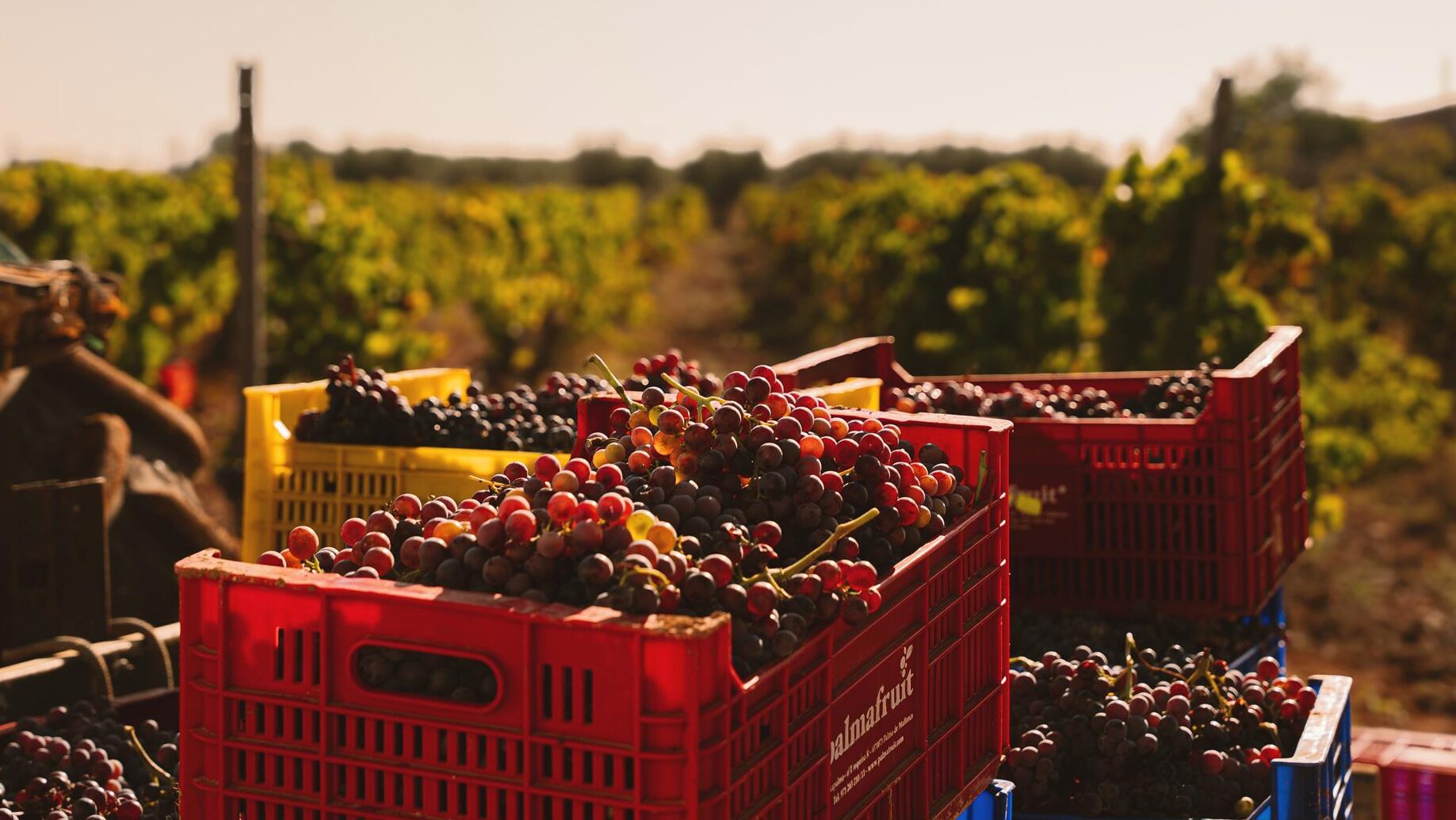
The grape harvest is once again testing Mallorca’s wine industry. The Binissalem Denomination of Origin has already begun the harvest with the Moscatel, Giró Ros, and Chardonnay varieties, and it does so with particularly relevant news for vintners and wineries: production is returning to more normal levels after last year’s drop.
The calendar, however, is no longer as simple as waiting for September to arrive. Each estate sets its own schedule based on the variety, the vineyard conditions, and, above all, the type of wine the winery wants to produce. In the coming days, the earliest-ripening varieties will give way to the rest of the grapes, in a harvest that is expected to last until the end of September or early October.
For the wine sector, the recovery in volumes brings some relief after a 2025 season characterized by low production. But the sector faces a long-term challenge: how to maintain the productivity and quality of the grapes in a climate scenario that is upending the traditional rules of viticulture.
Climate is now a business factor
Temperatures are no longer just an agronomic issue. They have become one of the main factors influencing wineries’ costs, yields, and investment decisions. This summer, according to data from the National Meteorological Agency, the region has recorded a temperature anomaly of about three degrees and precipitation equivalent to 34% of the usual amount. This scenario of heat and water scarcity is forcing producers to look for new ways to protect their vineyards.
One of the most sensitive factors is the ability of the plants to recover during the night. High temperatures can hinder this process and, ultimately, affect both the development of the grapes and their chemical composition. And herein lies one of the key economic considerations for the sector: it’s not enough to produce more; the grapes must retain the necessary characteristics to make quality wines. Climate change can also alter the optimal harvest time, bringing it forward and disrupting wineries’ work schedules.
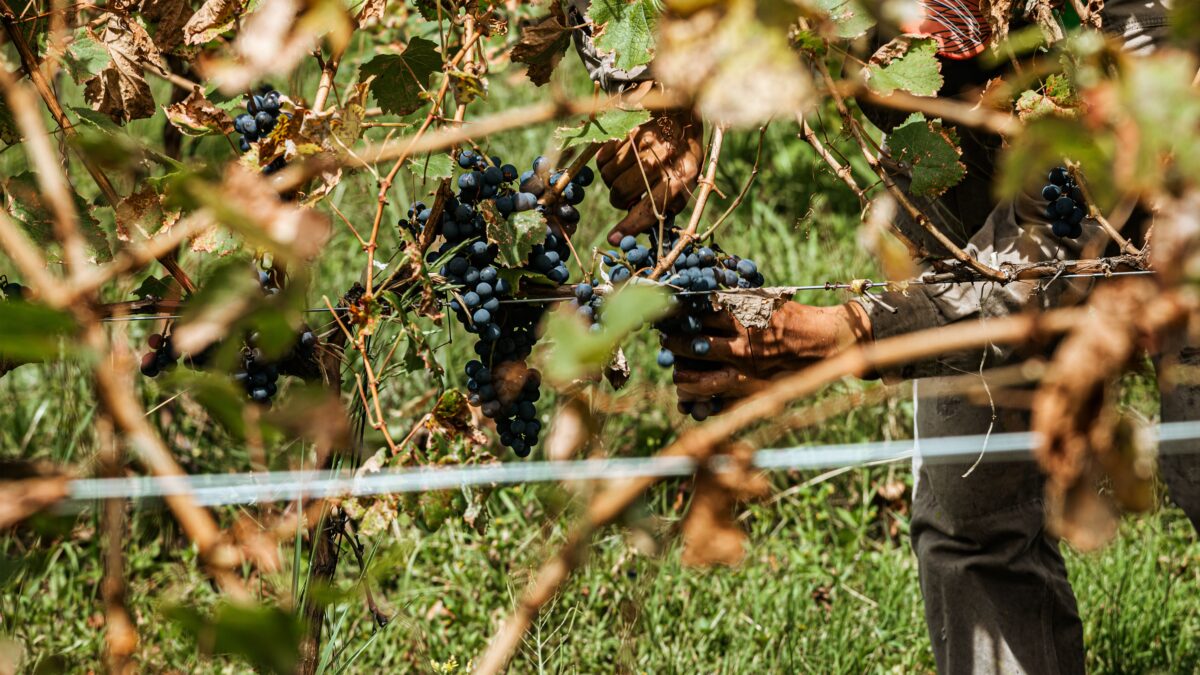
In this context, the Regulatory Council of the Binissalem Denomination of Origin authorized supplemental irrigation of the vineyards in early June. The measure aims to reduce water losses caused by evapotranspiration during periods of high temperatures. It is not so much about transforming the traditional cultivation model as it is about providing the plants with an additional tool to cope with periods of greater water stress. For the winemakers, this adaptation also involves making new decisions about how and when to use the available resources. Water, which is becoming increasingly scarce, thus becomes a strategic factor in production.
And the industry’s response isn’t limited to irrigation. Appellation producers are introducing various measures to adapt their vineyards: shading the vines, reducing yields, harvesting earlier, and placing greater emphasis on native grape varieties that are better able to withstand high temperatures.
Restore volume without compromising quality
So far, initial impressions among industry professionals are positive. Winemakers highly value the grape composition; they have not detected any significant health issues and are optimistic about the production. This is especially significant after a 2025 season with lower yields. The return to normal harvest levels allows the industry to approach this vintage with greater predictability regarding supply to wineries and wine production.
But the true measure of the harvest’s success will go beyond the number of kilos of grapes that ultimately reach the wineries. The combination of yield, quality, production costs, and the ability to adapt to climate change will become increasingly decisive for the profitability of the vineyards.
The harvest in Binissalem actually reflects a transformation affecting much of the agri-food sector: the climate is no longer a relatively stable variable, but has become a business factor that requires planning ahead, investing, and making decisions more quickly. This year, at least, the vine is entering the harvest with better prospects than in 2025. Production is returning to normal. The challenge now is to ensure that this normalcy can be maintained in an environment that is becoming less and less ‘normal’.