








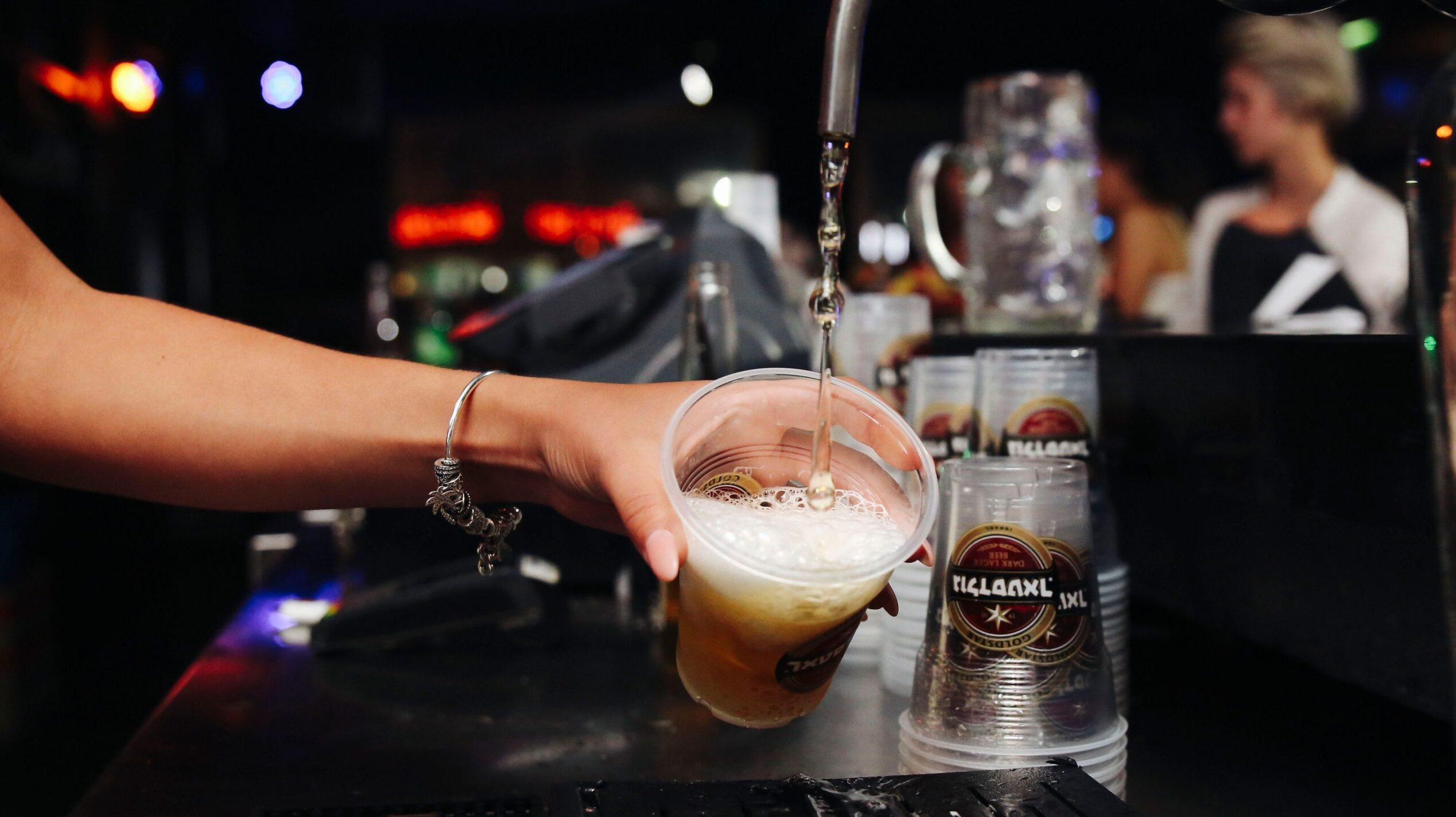
The World Cup came to an end last Sunday, and the hospitality industry in the Balearic Islands didn’t know whether to breathe a sigh of satisfaction or of relief. Mixed feelings and varied assessments after an event whose impact is difficult to determine. “These are strange years,” say industry professionals, referring to the effects that World Cup or European Championship summers have on their businesses. Neighborhood cafes and bars, especially those specializing in sports broadcasts, are one side of the coin, in contrast to restaurants in particular, or businesses in general, where television screens play a secondary role or are completely absent.
Juanmi Ferrer, president of the Mallorca Restauración association, which is part of the Confederation of Business Associations of the Balearic Islands (CAEB), is categorical on this matter. “We are doubly happy: for Spain’s victory and because the World Cup is finally over,” explains Ferrer. Contrary to what one might think, it has been a somewhat problematic tournament from a business perspective, as it “disrupts all traditional operations, especially because of the schedules and the chaos it causes: many restaurants, for example, have found themselves without customers at dinnertime.” Ultimately, “all of this makes for unusual years.”
As is customary, joy and disappointment are always perceived differently depending on the neighborhood and the type of business. Ferrer has no doubt about this. “Restaurants have fared worse; the World Cup has benefited other types of businesses more – neighborhood bars, etc.” And all this, despite the fact that the Spanish national team’s matches could be comfortably enjoyed from home during a summer once again marked by an endless succession of heat waves. A weather-related challenge even for outdoor patios, which, at first glance, reduces their appeal and their ability to attract customers. However, “after all, many people prefer to watch these games where there’s a better atmosphere; they like to be in company to celebrate.”
Interestingly, the end of the competition has coincided with a general drop in sales, the reason for which business owners are not entirely clear on, although they hope things will start to improve this very weekend. “This July had lower sales than last year, and all indications suggest that August will follow a similar trend.” On the other hand, the fact that Spain ended up being crowned champion is more of a plus than a minus. “It’s always positive for the entire tourism sector because it means extra publicity.” Another pin on the map.
César Amable, president of the caterers’ association affiliated with the Federation of Small and Medium-sized Enterprises (PIMEM), draws similar conclusions. “Establishments more geared toward showing sports broadcasts – with bars better equipped for these events, etc. – have, as expected, fared much better.” However, he stresses that another factor that has not favored the sector must be added to the equation, specifically the installation of giant screens in numerous locations across the island to watch La Roja’s matches. From Son Fusteret to Son Moix, and including the plazas and sports centers of the Part Forana, thousands of fans chose to enjoy the matches in the middle of the crowd, especially during the final against Argentina.
Taking all factors into account, billing has not fluctuated significantly among the island’s businesses. This is despite the national restaurant association estimating an increase of up to 30 percent in sales on special occasions like the final. Needless to say, Amable’s own restaurant, Los platos de Soto, closed its doors that day. It was the best decision—he laughs, but he’s not kidding—considering the staff would have been more focused on the television screens than on the tables. And even more so considering “the few customers we probably would have had that night.”