







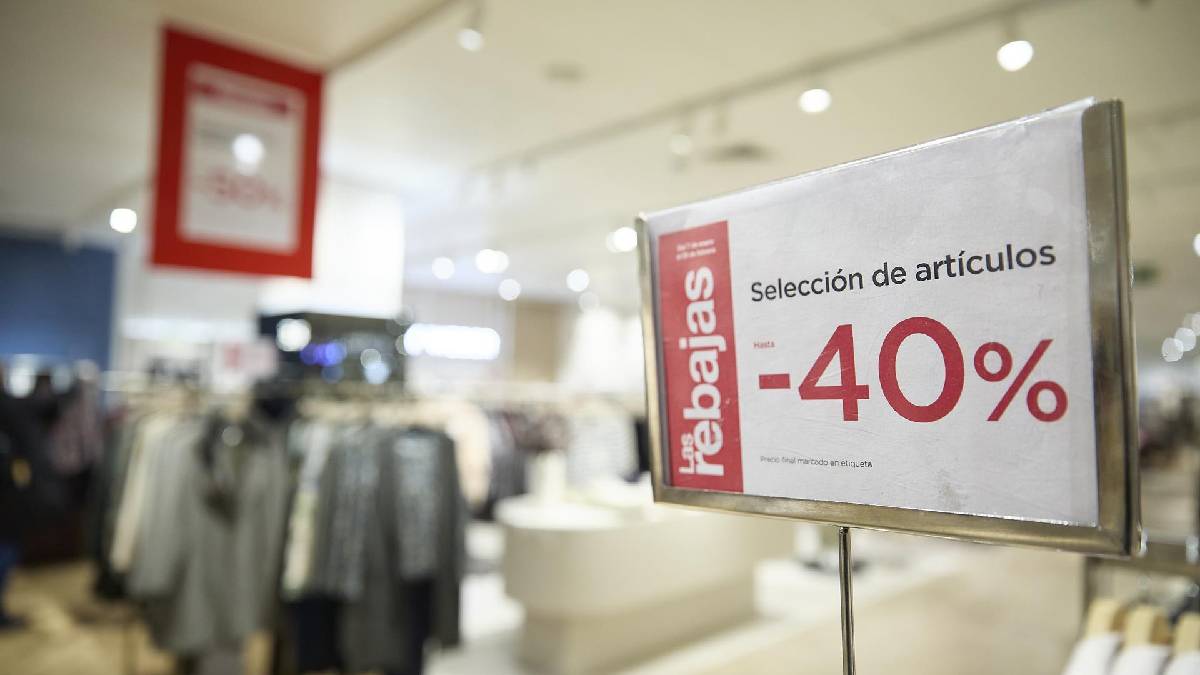
Merchants in the Balearic Islands are looking to maintain the value of one of the busiest periods of the year in terms of economic activity. After several weeks of consultations with business owners and sector associations on the islands, The Federation of Business and Trade Associations of the Balearic Islands (AFEDECO) has issued a guidance recommendation to the sector to set the start of the summer sales around July 13, 2026, one week later than the initially proposed date.
The proposal stems from an extensive consultation process with merchants from various local authorities and sectors, during which a common theme emerged: maximizing the commercial potential generated by the large volume of tourists before launching widespread discount campaigns.
According to AFEDECO Vice President Pedro Miró, the recommendation is a direct response to the position expressed by a significant part of the business community in the Balearic Islands. “Our role is not to set schedules or impose deadlines, but to gather the sector’s concerns and convey the recommendations that the business owners themselves consider most appropriate to safeguard the profitability of their companies,” he says.
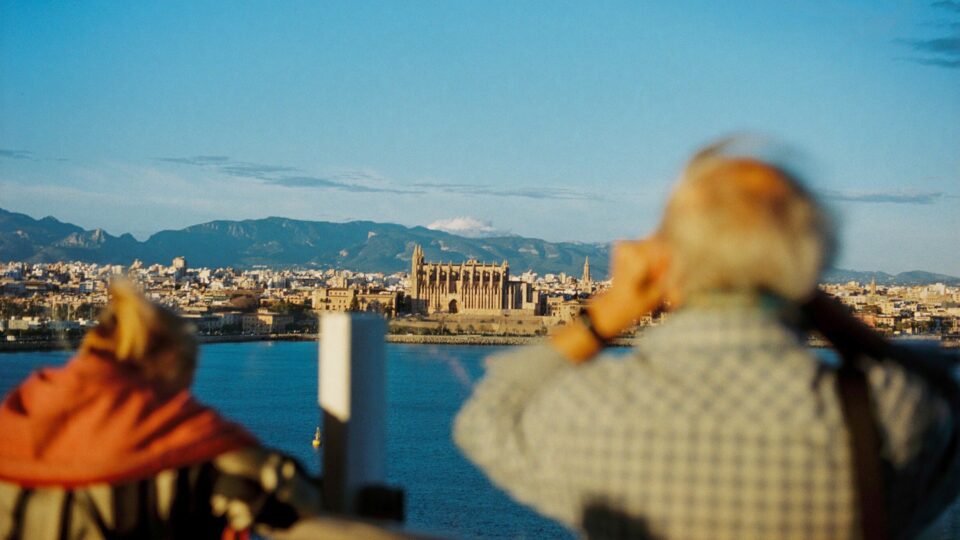
This fundamental consideration stems from a unique situation in the archipelago. Unlike other markets on the peninsula, commercial activity in the Balearic Islands is closely linked to tourism trends, with a significant portion of consumer spending concentrated during the peak summer months. In this context, many retailers feel that moving up the sales unnecessarily shortens the period during which products are sold at full price, precisely when demand is highest.
From a business perspective, delaying the start of promotions would help optimize margins, improve inventory turnover, and increase profitability during the high season. “Many retailers recognize that there is still room to maintain full-price sales when the tourist season has only just reached its peak,” notes Miró.
AFEDECO emphasizes that the proposed date is purely indicative and that each company remains completely free to design its own commercial strategy in accordance with current regulations. However, the recommendation reflects a growing concern within the sector about the gradual decline in the importance of traditional sales campaigns.
It is no coincidence that the chosen date symbolically coincides with the anniversary of the adoption of Royal Decree-Law 20/2012, the legislation that abolished official sales periods and completely deregulated promotional periods. More than a decade later, the Federation believes that the impact of that reform justifies a review in light of market developments.
The president of AFEDECO maintains that the growing proliferation of promotions and discounts is undermining the traditional role of sales as a means to clear out stock once the main sales season has ended. “We are now seeing a trend where promotional campaigns are being brought forward more and more, in some cases even before the market has reached its full commercial potential,” he warns.
The business organization has raised this concern on several occasions through the Spanish Confederation of Commerce and through various initiatives addressed to public authorities. The goal, they explain, is not to restrict business freedom but to open a debate on how to reconcile commercial flexibility with the economic sustainability of local stores.
In an increasingly competitive environment, characterized by constant promotional pressure and changing consumer habits, the sector defends the need to preserve profit margins and to strengthen the viability of small and medium-sized enterprises. The recommendation to delay sales is therefore considered a measure intended to protect the value of the high season and to improve the competitiveness of local merchants in an increasingly demanding market.