








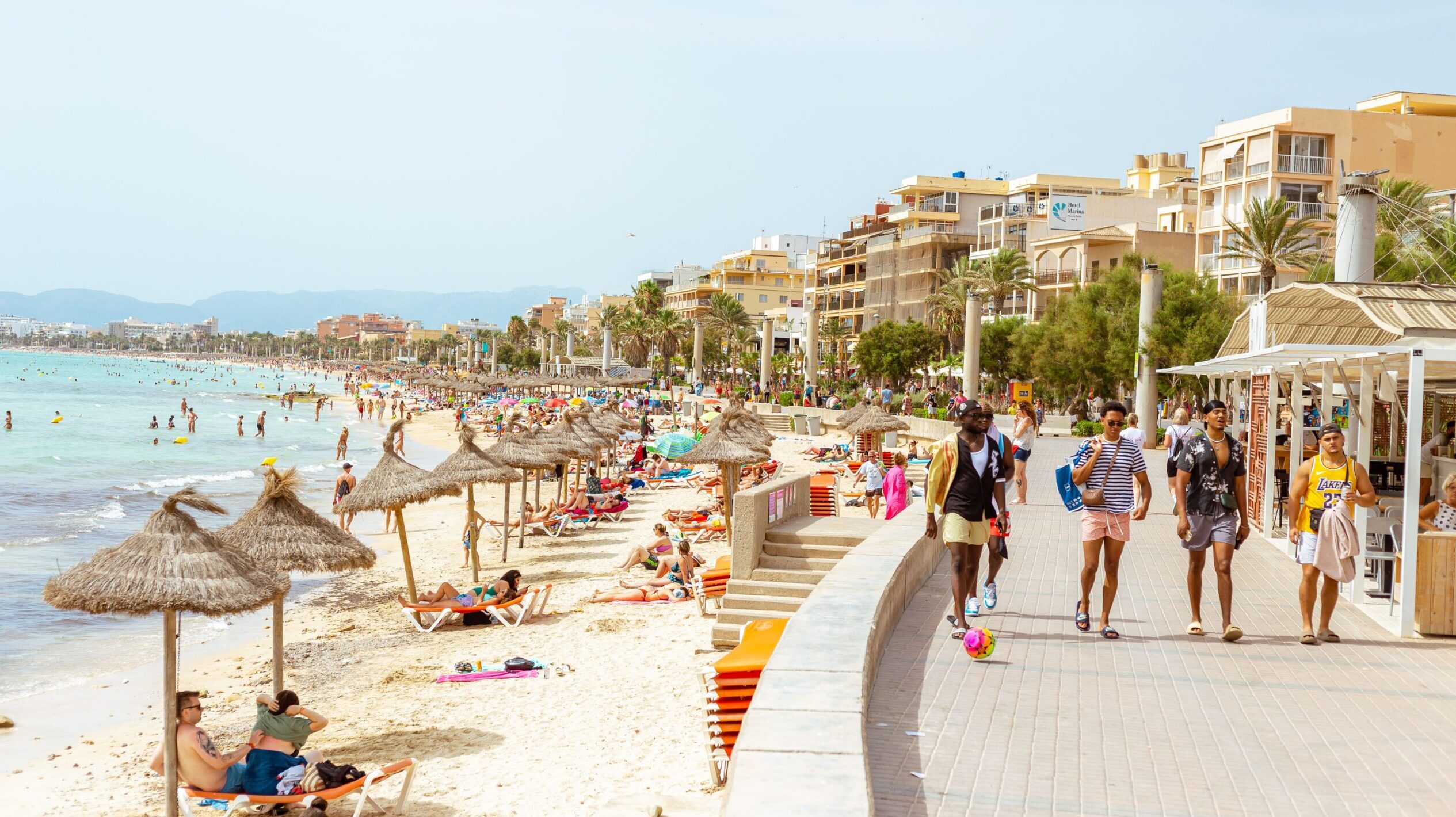
The Balearic Islands are entering the 2026 high season with favorable prospects, based on last year’s strong performance and maintaining the positive trend in the tourism sector. According to the latest report from Exceltur, the archipelago expects a 0.8% increase in sales during the summer months, based on a fiscal year 2025 that already reached record levels of activity.
The performance recorded in the second quarter confirms this strength. Sales in the sector grew by 5.2% in the Balearic Islands, driven in particular by Menorca, which led the growth with an increase of 19.1%, followed by Mallorca (+4.9%). Ibiza and Formentera also began to recover, with demand gradually improving as the year progressed (+0.3%), pointing to a positive outlook for the summer season.
Across Spain, tourism continues to grow, reinforcing its role as one of the main drivers of the national economy. Exceltur estimates that the sector will increase its contribution to 12.9 percent of GDP by 2026, with an economic impact of €228,396 million, after revising its growth forecasts upward to 2.7 percent.
Growth normalization
The report indicates a return to normal growth rates after several years of strong international expansion, while the domestic market takes center stage and is consolidating as one of the main drivers of activity during the summer.
Among the factors supporting these forecasts are the dynamism of leisure travel and the growing power of domestic demand, which is giving a particular boost to sectors such as leisure activities, travel agencies, and transportation. Although the growth forecast for hotels is more moderate after several years of records, the tourism value chain as a whole maintains positive expectations. Car rental companies, for their part, foresee a more stable outlook.
Exceltur also highlights the positive impact that major events held in Spain had during the second quarter, which helped boost both the number of international visitors and domestic tourism. At the same time, external factors such as the development of the conflict in the Middle East, the high temperatures recorded in Europe, and the FIFA World Cup have affected the pace of bookings in some markets, without, however, altering the favorable outlook for the season as a whole.
The upward revision of the forecasts for 2026 reflects the sector’s confidence in the ability of Spanish tourism to continue generating growth and added value. This outlook is based on the expectation that the international geopolitical situation will stabilize and that energy costs will decrease, factors that would help strengthen Spain’s competitiveness as a destination in the coming months.