








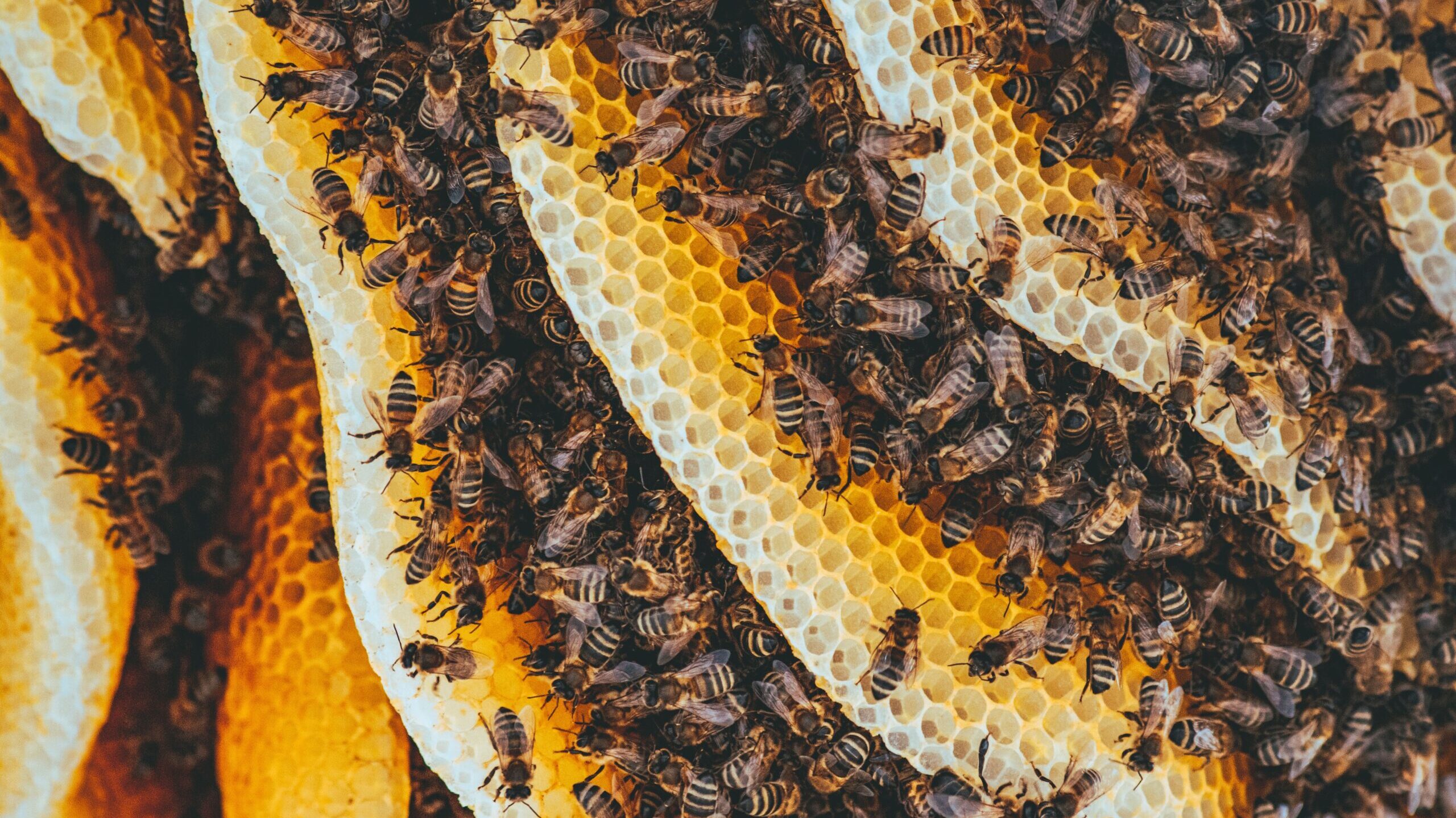
In Ibiza, the problem facing bees is no longer how much honey they can produce. It’s whether they will have enough food to survive. The lack of rain, high temperatures, and the disappearance of numerous flowering plants are reducing the amount of nectar and pollen available in the island’s countryside, forcing beekeepers to resort to supplementary feeding to keep their colonies alive. Faced with this situation, the Ibiza Beekeepers Association has asked the Island Council and the Balearic Government to grant a special subsidy to help offset some of these costs.
The request comes at a time when the island’s own administration is intensifying its support for the sector. The Ibiza Council has just launched a new call for grant applications for the restoration, maintenance, and consolidation of the agricultural environment and agrodiversity, with a budget of 1.1 million euros from the Sustainable Tourism Tax. The deadline for applications is October 2. Among the measures included is a grant of 300 euros per beekeeping operation, provided it consists of at least five hives registered in the General Register of Livestock Farms.
The development of this plan also reflects the growing importance of beekeeping within the island’s agricultural policy. In 2025, 1,665 beekeepers received subsidies, compared to 960 in 2020. However, the context in which this new call for applications is being launched is substantially more difficult for producers.
Climate change is making summers harder.
Over the past few weeks, beekeepers have observed a significant reduction in floral resources. High temperatures and a lack of rain have shortened or eliminated flowering periods and, with them, much of the nectar and pollen that the colonies need. Last June was especially harsh. The National Meteorological Agency described June 2026 as extremely hot in Ibiza, with an average temperature of 24.7 degrees, 2.4 degrees above the norm. In Sant Joan de Labritja, temperatures reached 37.6 degrees and there were 22 hot days.
For beekeepers, the problem doesn’t end with one particularly harsh summer. The association warns of a succession of heat waves and a lack of rain in recent years. In June 2022, the precipitation deficit was around 92 percent; in June 2023, it reached 62 percent; July 2024 again recorded adverse conditions; and June 2025 was the driest in the Balearic Islands since 1961.
The result is that the hives are reaching a point where they need help that would normally be provided by the ecosystem itself. “Right now, the concern for many beekeepers isn’t how much honey we’ll produce, but how we can keep our bees alive,” explains Vicente Marí, president of the Ibiza Beekeepers Association. This is a significant distinction. Supplemental feeding is not considered a means to increase honey production, but an emergency measure to prevent colonies from dying when their natural reserves are depleted.
And this comes at a cost. Beekeepers have to cover the cost of the feed, but they also face additional trips to the apiaries, longer work hours, and more frequent inspections of the hives. For this reason, the association proposes introducing financial support for each registered apiary and is calling for a response before high mortality rates occur.
The importance of bees as pollinators
The pressure on beehives also has implications that go beyond the beekeepers themselves. Bees are one of the main pollinators, and their activity helps preserve the biodiversity, ecosystems, and rural landscape of Ibiza. This is precisely one of the reasons why beekeeping has gained ground within the island’s agricultural conservation policies. The Council’s grant program is not limited to beehives: it also awards 54 euros per cultivated hectare, 130 euros per sown hectare, and grants of between 27 and 225 euros per hectare for the maintenance of almond and carob trees.
The program, now in its seventh year, aims to offset the additional costs that farms bear and keep the land that is part of Ibiza’s traditional landscape in production. In 2025, 376 beneficiaries received 744,900 euros, which allowed for the plowing of 2,995 hectares and the sowing of another 893 hectares. The President of the Council, Vicent Marí, has defended this territorial dimension of the aid: “Preserving the landscape is not just a matter of identity, but also about protecting the territory, preventing fires, and securing the future of the primary sector.”
In the case of bees, this future now faces a paradox: tourism provides the resources to preserve the rural world, but changing climate conditions are making it increasingly difficult for that same rural world to feed its pollinators. The priority for the Ibiza beekeepers, at least for now, is not to produce more honey. It is to ensure that the hives survive until the next flowering season.


