






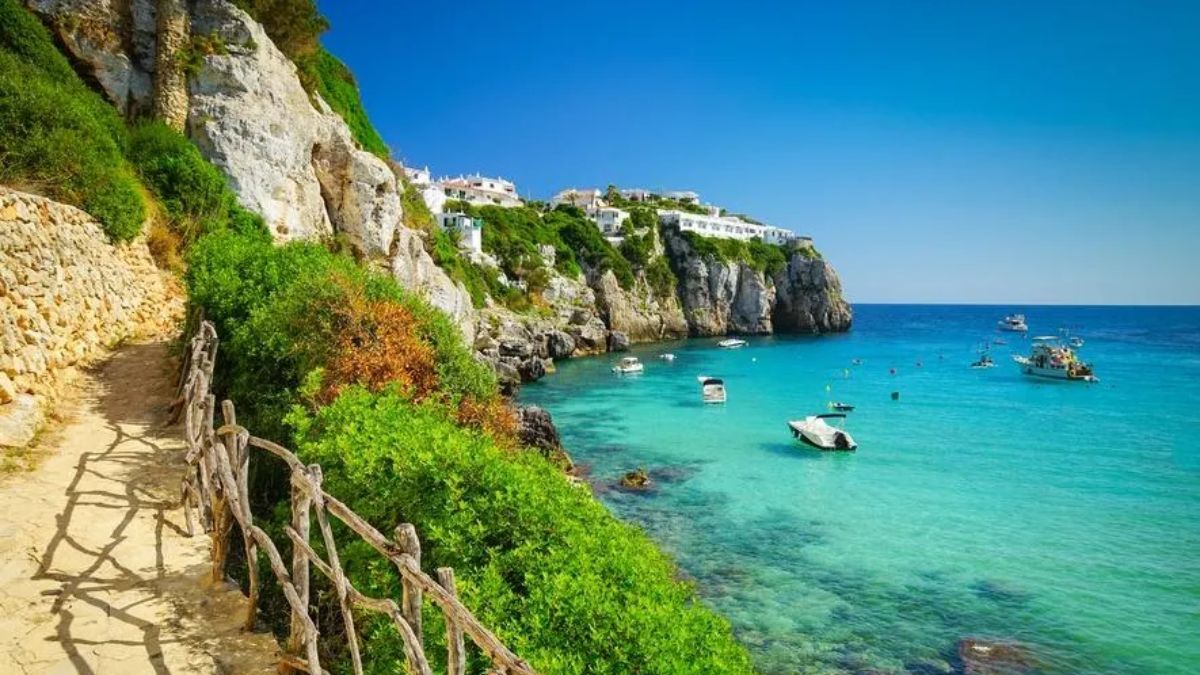
In the Mediterranean, the Balearic Islands are often thought of as a familiar trio: Mallorca, Ibiza, and Menorca. The first is grand and glamorous, dotted with luxury resorts, Gothic cathedrals, and sun-drenched beaches. The second is famous for its hedonism, a magnet for nightlife, DJs, and summer parties. The third, Menorca, is something entirely different: quieter, more unhurried, and fiercely protective of its way of life—an island that resists the stamp of mass tourism and clings fondly to its own rhythms. Its villages are compact and can be explored on foot, its coves are hidden, and its countryside remains marked by a network of dry-stone walls and pastures where Menorcan cows graze.
“Menorca is just as beautiful as Corsica,” says Olivier Pecoux with a smile, “and the people there are very friendly.”
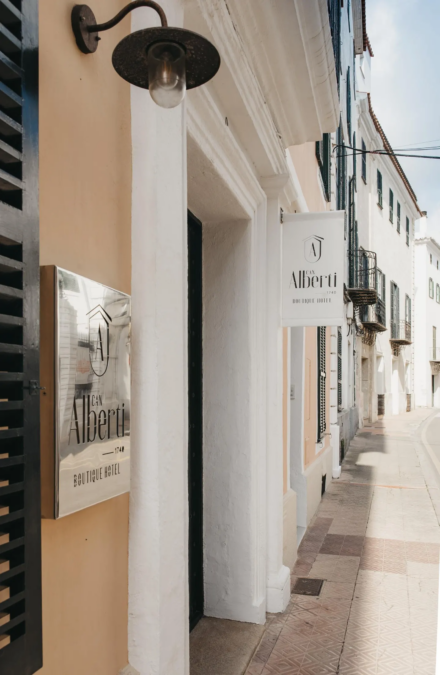
Together with his wife Carole, this Parisian couple owns Can Alberti 1740, a boutique hotel in Mahón housed in an 18th-century palace that once belonged to the influential Alberti family. Their connection to the island began long before they ever thought of opening a hotel here, and it is rooted in a personal bond rather than business ambitions.
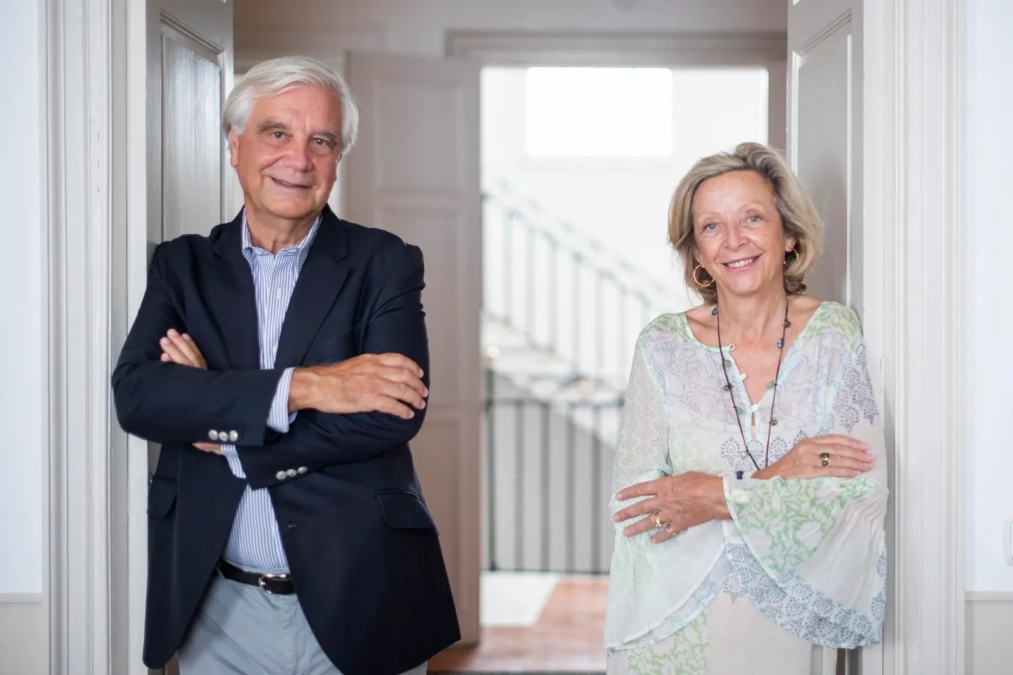
“Olivier has been sailing for many years,” Carole explains. “So we’ve been exploring the Balearic Islands for years. We have a sailboat and were familiar with Menorca and its coastline: all that magnificent scenery that surrounds it, with the coves in the south and the cliffs in the north.”
To sailors, Menorca reveals itself slowly from the sea: long stretches of unspoiled coastline, coves with turquoise waters hidden among limestone cliffs, and a tranquility that seems almost deliberate, as if the island existed at a slightly different pace than the rest of the Mediterranean. Its natural beauty, pristine beaches, and gently rolling hills give the impression that time passes here with a touch more grace. The island’s coastline is dotted with prehistoric Talayotic settlements, a reminder that humans have been drawn to its bays and headlands for millennia, while small ports like Fornells and Ciutadella whisper of Menorca’s strategic role in maritime history.
But the couple’s connection to Menorca didn’t start with a business idea. It started with their daughter.
“One of our daughters came to Menorca,” Carole recalls. “And, by chance, she stayed at a small hotel here. She spent a couple of nights in room six. When she got back, she said, ‘You know, you have to go take a look. It’s absolutely beautiful.’”
And that’s exactly what they did.
“And when we visited this place,” says Olivier, “we decided to buy it.”
A restored Menorcan palace
Maria Missaglia
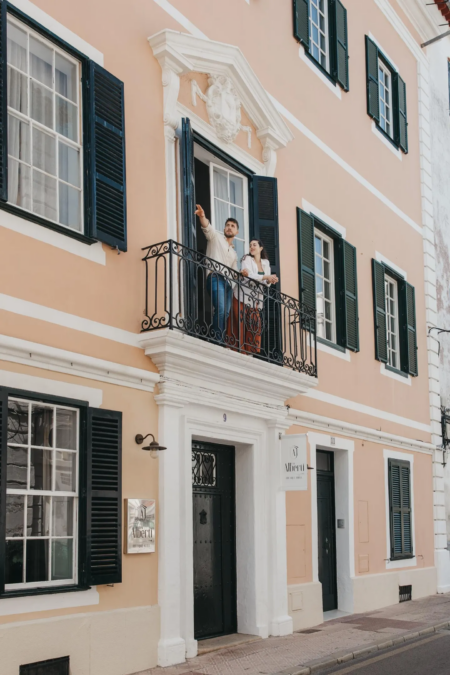
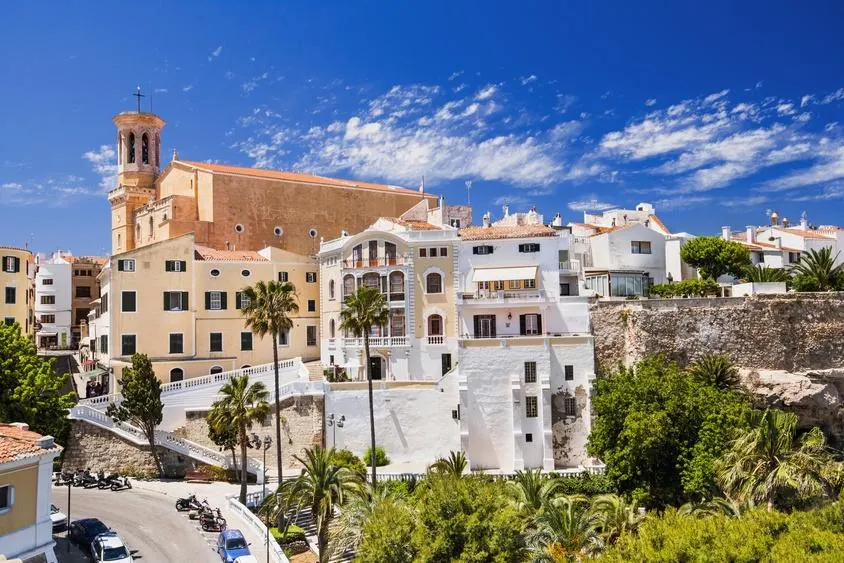
The building that would become Can Alberti 1740 was not just another historic house. It was part of a larger architectural puzzle that stretched along the historic streets of Mahón, a living testament to centuries of Menorcan history. Mahón itself is an 18th-century city built by the British, whose occupation between 1713 and 1802 left a lasting mark on the town’s urban layout, port, and Georgian-style architecture. The Pecoux Hotel is nestled amid a labyrinth of narrow streets lined with limestone facades, reflecting centuries of Mediterranean trade and cultural exchange
“The Alberti family was truly very powerful,” Carole explains. “They arrived from Italy in the 16th century and first settled in Alaior.”
The family members were soldiers, priests, and intellectuals, and over time they built a series of interconnected mansions in the city, creating a small network of residences that reflected both their wealth and their influence.
“They had several houses here: numbers 9, 11, 13, and 17,” he says. “All of these mansions were connected.”
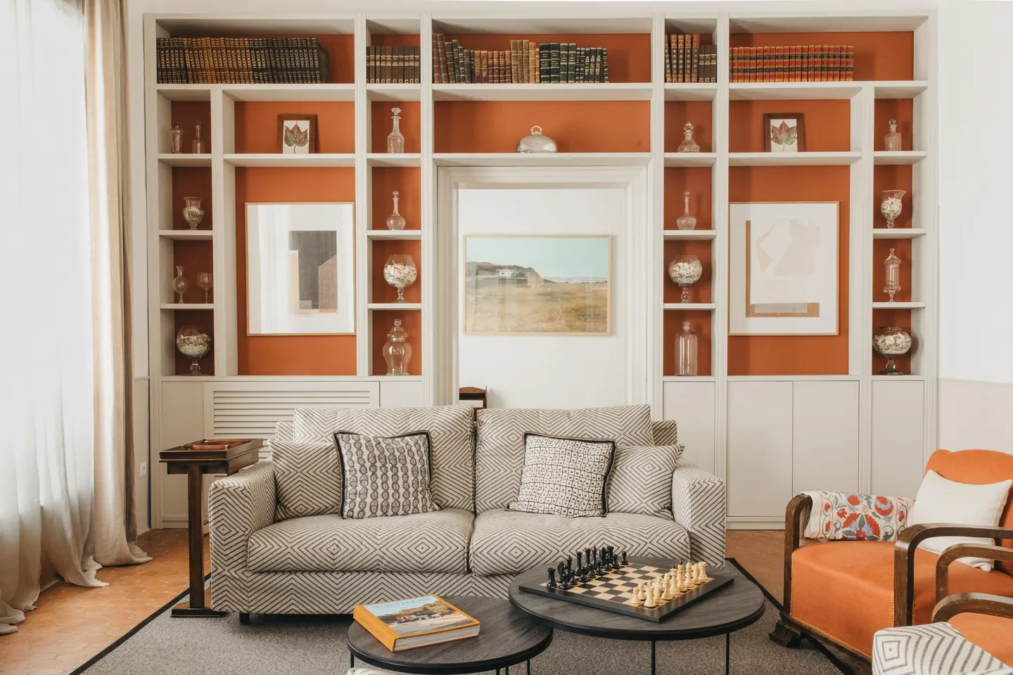
Maria Missaglia
Olivier laughs as he recounts a story told to him by a local lawyer who grew up in the area. “He remembered that, when he was a child, they used to throw parties and open all the doors connecting one building to another. It must have been a very special way of life.” Over the centuries, the estate was divided among different families. By the time the Pecoux family arrived, only part of the palace remained intact. “So when we bought this place,” says Olivier, “we knew we could turn it into a hotel because the previous owner had a hotel license, albeit a very basic one.”
But the real challenge wasn’t the license. It was the restoration.
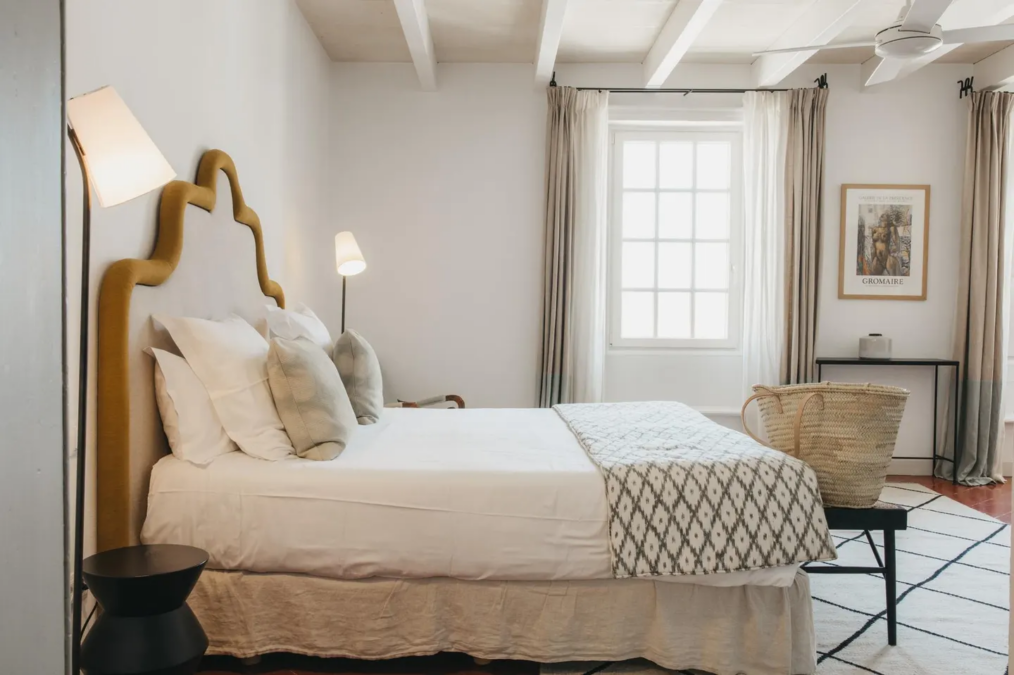
“What we’ve done is preserve the layout of the old palace,” he explains. “So there are some rooms where the bathroom is very large because it used to be a bedroom. But we decided not to move the walls.”
Finally, they convinced a neighboring family to sell the remaining part of the house.
“Now,” says Olivier, “the palace is exactly as it was in 1740.”
The restoration also took architectural history into account: high ceilings, original wooden beams, stone arches, and wrought-iron balconies that frame the views of the port of Mahón, preserving a sense of authenticity while offering modern comforts.
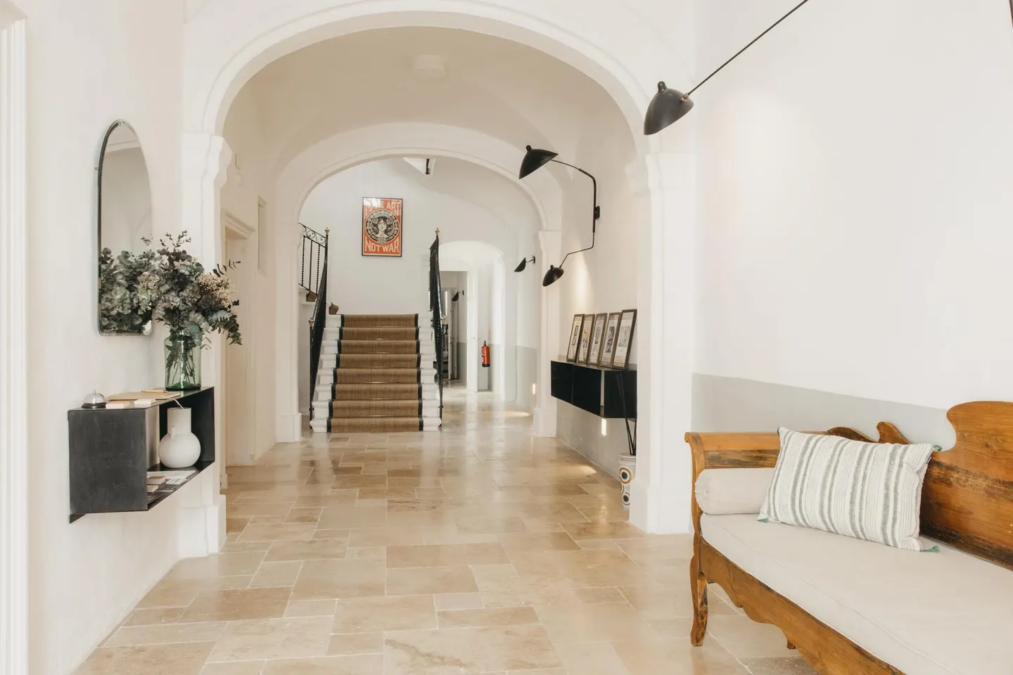
Maria Missaglia
Menorca is an island that resisted the tourism boom
Menorca’s laid-back atmosphere is no accident. It is partly the result of its history and partly the result of the islanders’ careful choices.
Unlike Mallorca and Ibiza, the island never fully embraced the wave of mass tourism that swept across the Mediterranean in the second half of the 20th century. Hotels were smaller, roads were narrower, and the government restricted the construction of large-scale resort complexes—decisions that left the island less altered, but also less connected.
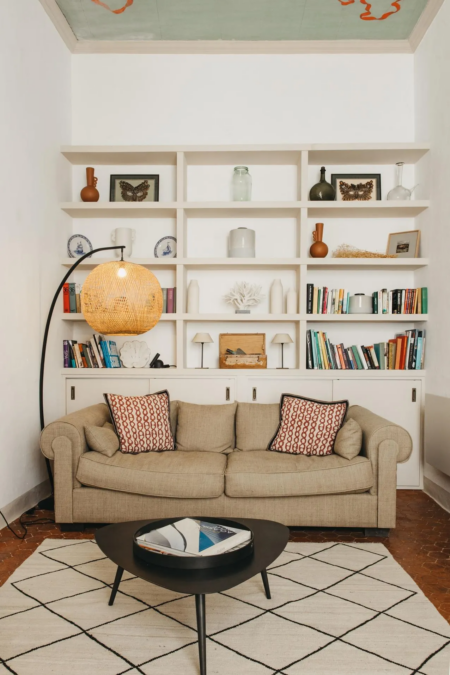
Missaglia’s library
“I remember an island that hadn’t yet experienced the tourism boom,” says Olivier. “Mallorca and Ibiza, yes, but not so much here.”
Even today, the infrastructure reflects that difference.
“We live in the bay and we have electricity,” he says with a laugh. “But it took us a lot of effort to get it. And we don’t have city water; we have a cistern.”
The island’s political history also played a role.
“During the Franco era, Menorca was a Republican stronghold,” Carole explains. “Families here have very bad memories of that time. But since they didn’t receive any infrastructure investments, the island has been very well preserved.”
Menorca has been a crossroads of cultures for centuries, from the Talayotic civilization through the Roman and Byzantine occupations, and including British and French periods. Each left its mark on the language, architecture, and customs. In the decades since, Menorca has evolved slowly but steadily.
“It’s still a very special island,” says Olivier. “People live life on their own terms. It’s remained true to itself.”
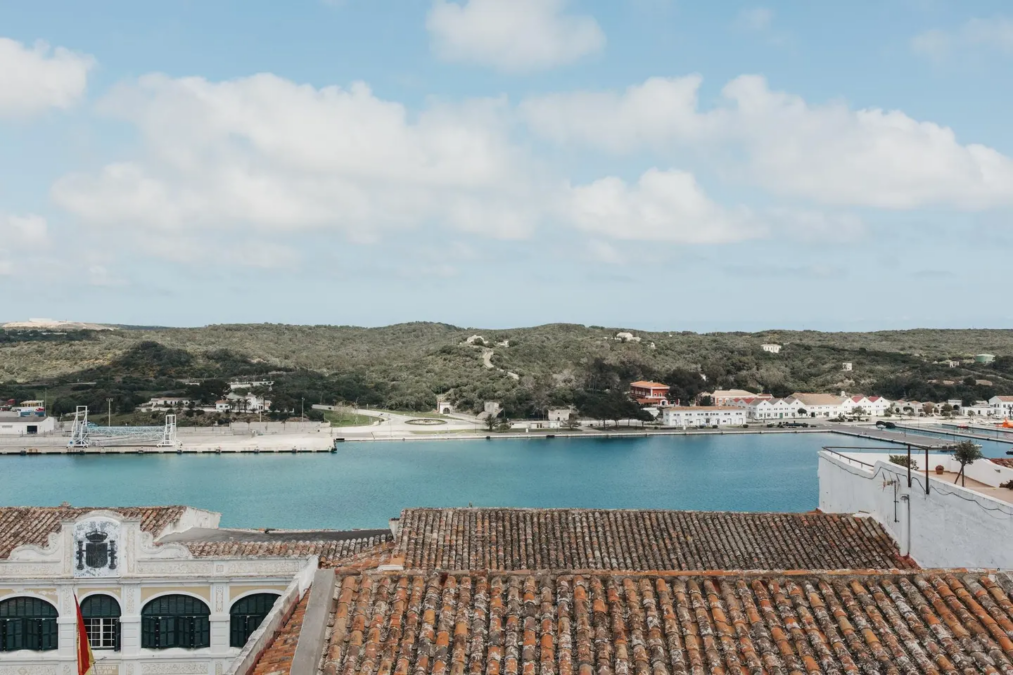
Exploring Menorca at a leisurely pace
For the Pecoux family, the island is best experienced when explored at a leisurely pace.
“You have to discover Menorca little by little,” says Olivier. “Even now, after so many years, we’re still discovering new places.”
That sense of gradual discovery is something they try to share with their guests.
“We try to truly understand who our customers are and what they want,” says Carole. “From the very first moment, they should feel like they’re at home.”
Guests receive the manager’s personal phone number and an interactive map of the island based on the owners’ experiences.
“We only recommend things we’ve tried ourselves,” he says.
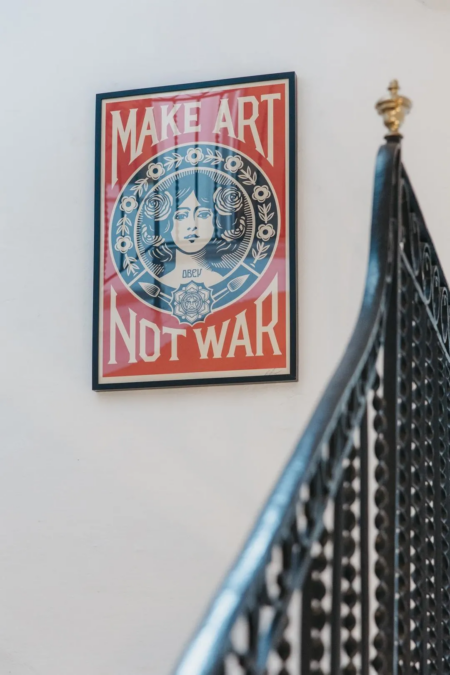
Maria Missaglia
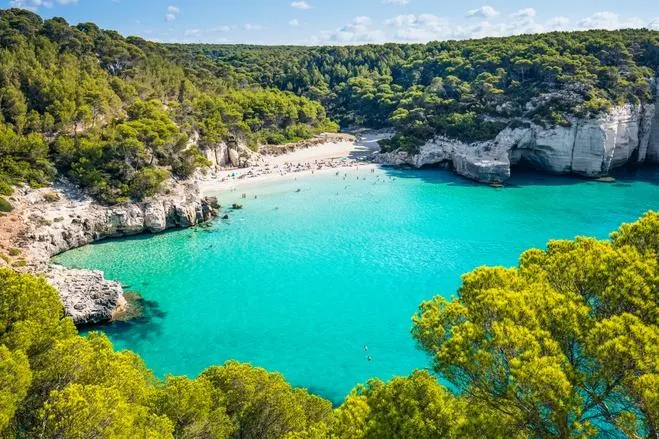
These recommendations cover a wide range of options: favorite beaches, small restaurants, craft workshops, galleries, and boat tours along the coast, many of which follow routes that have existed for centuries.
“Of course, culinary experiences,” adds Carole. “Amazing restaurants, guided tours in Mahón or Ciutadella.”
But there is one experience that occupies a central place in the island’s landscape.
“The Camí de Cavalls,” he says.
The old coastal path circles the entire island; it was originally built for military defense purposes so that soldiers could keep watch over the coast.
“It’s 180 kilometers,” he explains. “You can only travel on foot, on horseback, or by bicycle; cars aren’t allowed.”
For some travelers, it turns into a multi-day adventure.
“There are twenty stages,” he says. “Some are easier, others harder. People can do a few… or all of them.”
Culture of Menorca
Getty
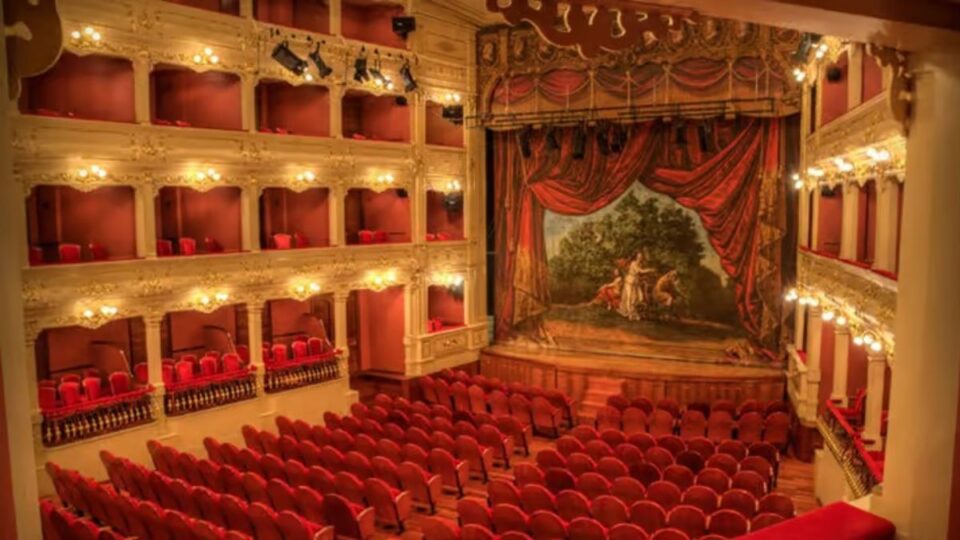
Menorca’s cultural scene often surprises visitors. “It’s hard to believe that an island this small could have an opera house like this,” says Olivier. The Teatro Principal in Mahón—Spain’s oldest opera house—is just a few minutes from the hotel. “It was designed by an Italian architect,” he explains. “It’s absolutely beautiful,” Carole agrees. “People here love music. Many belong to choirs. They know the repertoire; you can tell when they listen.”
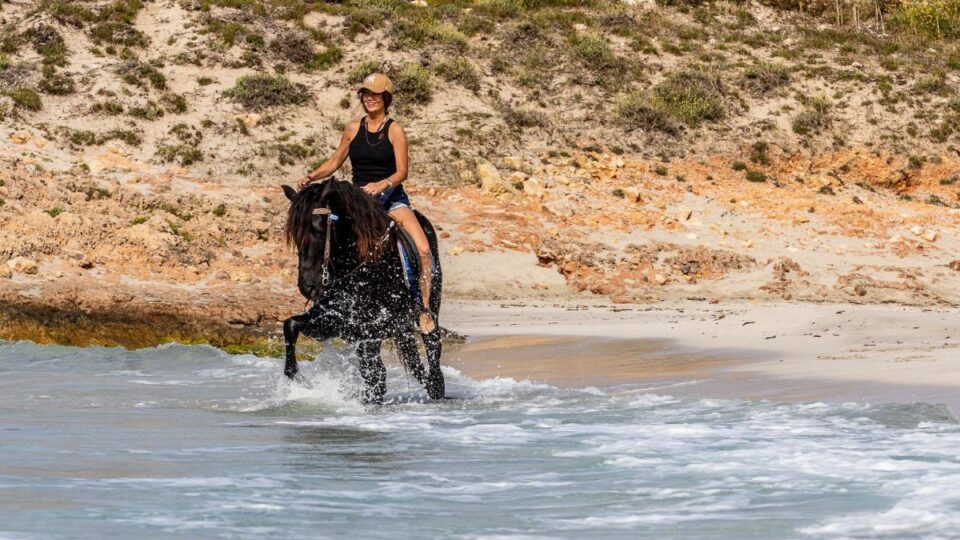
The island’s cultural identity, he says, goes far beyond architecture: “The cultural heritage here isn’t just the buildings. It’s the traditions, the festivals, the horses, the villages.” One of the most famous celebrations takes place every June in Ciutadella, when riders on black Menorcan horses fill the streets during the island’s traditional festivities—an event that combines equestrian skill, history, and community pride. “It’s three days of celebration,” she says. “The horses are impressive.”
Maria Missaglia
Despite all its beauty, Menorca is not a museum. About 100,000 people live on the island year-round, and the Pecoux family makes sure to remind visitors of this fact. “In Menorca, you’re a foreigner if you’re not from here,” says Olivier with a laugh. “Even people from Madrid or Barcelona are foreigners.” In his view, the distinction is important.
“When you come to an island like this, even if you own property here, remember one thing,” he says. “You’re a guest, and you should behave as such.” Visitors are welcome—with open arms—but they’re expected to respect the pace of local life. “If you push things too far,” he explains, “you’ll run into resistance.”
Preserving what makes Menorca special
Maria Missaglia
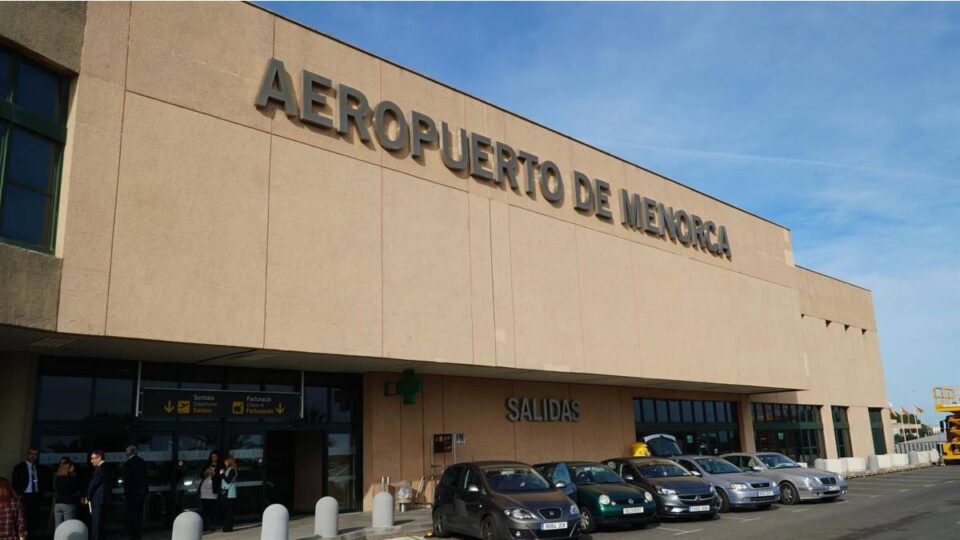
Today, Menorca faces the same dilemma as many beloved destinations: how to grow without losing its identity. Private jets now land at the island’s airport, and more and more large estates are being purchased by international buyers. “Things have changed,” says Olivier. “Five years ago, we didn’t see this kind of thing.” Nevertheless, he remains optimistic.
“Between development and preservation of the island,” he says, “I think the Menorcans will choose preservation.”
Part of that protection stems from environmental policy: the island is a UNESCO Biosphere Reserve, and local conservation groups remain active.
But the most fundamental safeguard may simply be the people themselves.
“They love their island,” says Olivier.
Menorca is the Mediterranean’s best-kept secret
For the Pecoux family, Menorca’s charm lies in its balance. The island offers natural beauty, culture, and history, but without the hustle and bustle that typically characterizes the Mediterranean’s most popular destinations. “We used to say,” Olivier repeats with a smile, “that Menorca is as beautiful as Corsica, but with very friendly people.”
And perhaps that’s the best way to describe the place.
It’s not a place waiting to be discovered. It’s not an untouched paradise. It has simply been preserved with care and discretion: an island that continues to invite visitors to slow down, stroll through its narrow cobblestone streets, and discover it step by step.
True to its longstanding role as a cultural hub in Mahón, Can Alberti will host a series of exhibitions and collaborations throughout the 2026 season:
April 23–25, 2026: a three-day public exhibition featuring paintings from CaixaBank’s distinguished art collection, followed by a charity auction to support a local Menorcan NGO, reinforcing the hotel’s commitment to social impact and community engagement.
May 7–10, 2026: A partnership with Raw Photo Fest, an international photography festival being held for the first time in the town of Alaior. The festival, which will bring together photographers, artists, and photography enthusiasts from around the world, will transform Menorca into a vibrant hub for four days of creativity, inspiration, and connection.
June 11–July 23, 2026: a curated exhibition featuring internationally renowned artists, in collaboration with the Rocío Santacruz Gallery in Barcelona.
September 2026: An exhibition by Foto Sturla Studio, featuring historical photographs dedicated entirely to Menorca, taken by four generations of the same family.
In addition, Carole and Olivier have some must-see recommendations for visiting Menorca:
Hauser & Wirth on Isla del Rey La Cantina (a fantastic restaurant)
Albarrán Bourdais (yes, THAT gallery)
Jak | Aguas Azules (of course, they recommend taking a boat)
Blanca Quintana (a fabulous ceramic artist)
Getty)