








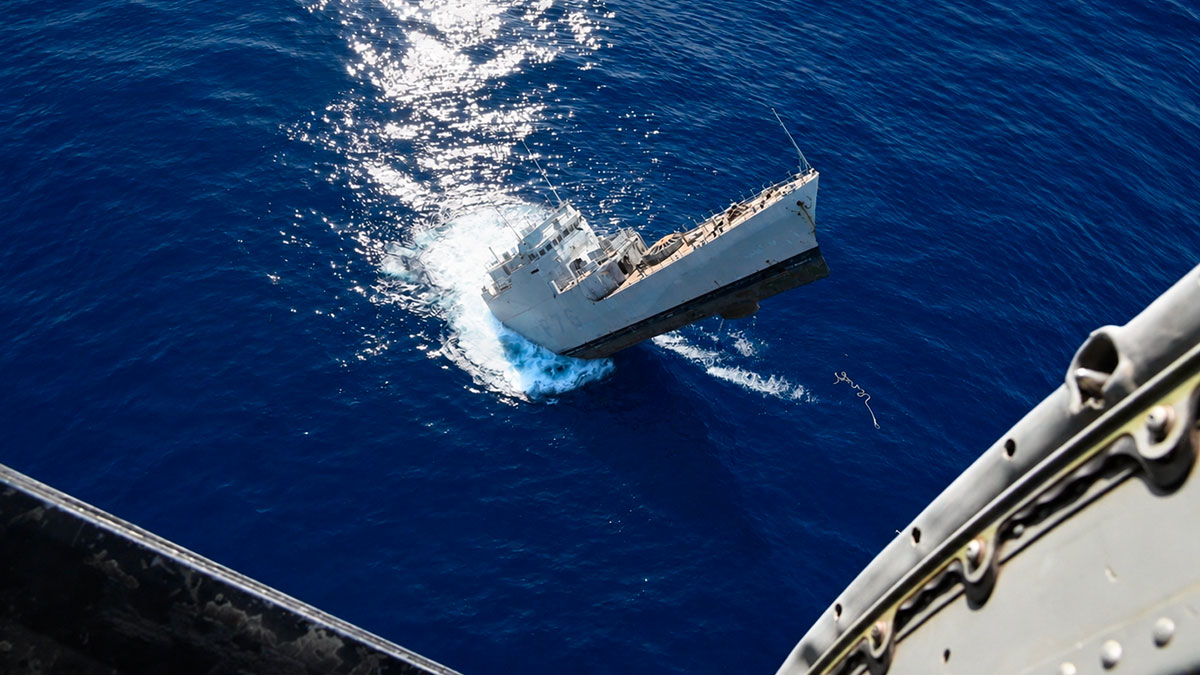
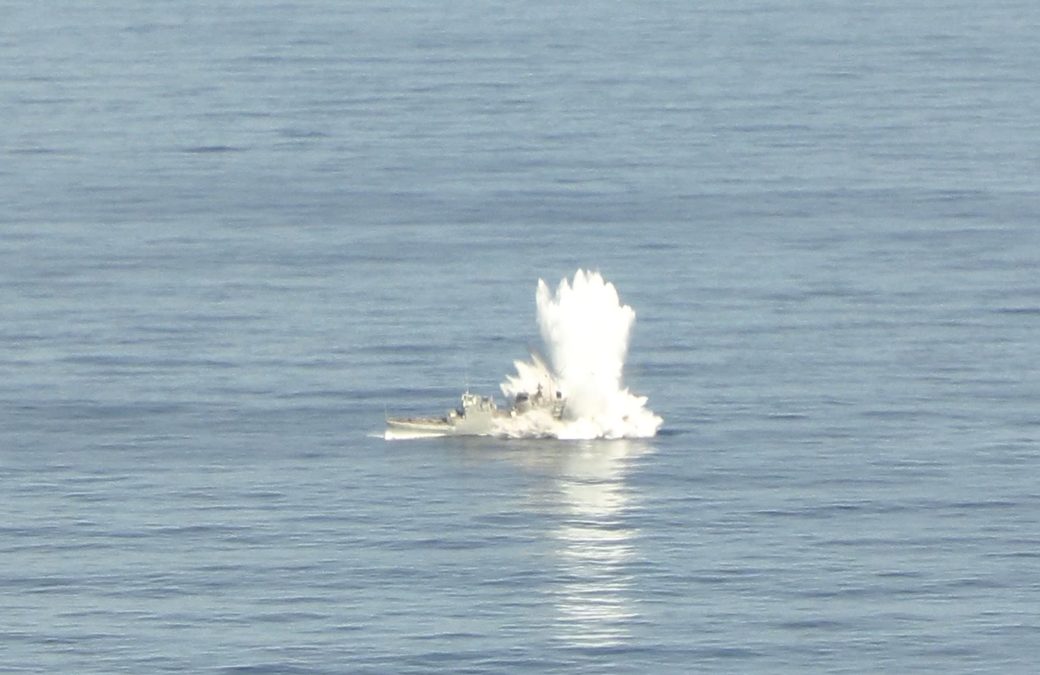
The Navy has successfully concluded the SINKEX 26 naval exercise, a periodic live-fire training exercise conducted in Atlantic waters near the Canary Islands. The submarine Isaac Peral (S-81) took center stage by sinking the former patrol boat Infanta Elena with a single torpedo. The exercise provided an opportunity to put the Submarine Force’s combat capabilities into practice in a joint operation with other branches of the military.
Deterrence and a Quiet Presence
According to the Navy, the torpedo launch demonstrates one of the essential capabilities for which the submarine was designed: to operate discreetly and respond with precision when the situation requires it. However, it emphasizes that the submarine’s true deterrent value lies in the silent certainty of its presence. Knowing that a submarine can patrol invisibly anywhere within national waters—and that it is capable of neutralizing a threat from a long distance—is one of the most effective mechanisms for ensuring security without resorting to conflict.
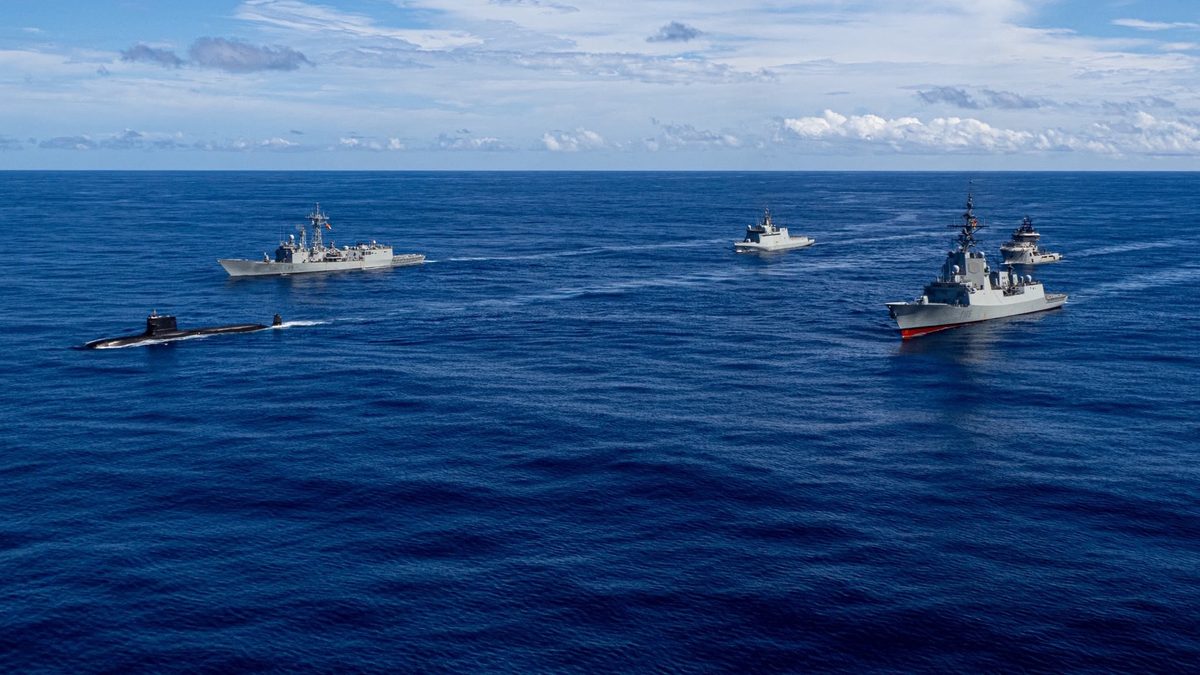
The participation of the Peral, the first vessel in the S-80 class, also demonstrates that it is fully prepared to contribute to Spain’s defense and to fulfill the commitments made to its allies. It also highlights the domestic industry’s ability to design and build state-of-the-art submarines, and links this innovation to the high level of training of its crew and its integration with the rest of the Fleet.
A naval and naval aviation deployment
The exercise made it possible to coordinate naval and naval aviation capabilities using live ammunition under conditions very close to those of a combat situation, thereby thoroughly evaluating the weapons systems. The maneuvers demonstrated the full integration of the S-81 alongside the frigates Cristóbal Colón (F-105) and Navarra (F-85), the multipurpose ship Carnota (A-61), and the maritime action ship Relámpago (P-43). Also participating were the Mine Countermeasures Diver Unit, three AV-8B Harrier aircraft, a helicopter from the 10th Squadron, a Scan Eagle UAV from the 11th Squadron, and a maritime surveillance aircraft from the Air and Space Force.
The operation was led at sea by the commander of the 41st Escort Squadron (COMANDES-41), Lieutenant Commander Rafael Mira Calvo, and his staff, who were aboard the frigate Navarra.
The commander emphasized that “the exercise could not have been carried out without the professionalism, preparedness, and effective coordination of the crews, pilots, specialized teams, and support units of the participating units, whose efforts were essential to conducting the activities in accordance with established procedures and safety measures.”
Through SINKEX 26, the Navy continues to strengthen the training of its units and the preparedness of its personnel to operate in demanding scenarios—an ongoing effort that ensures the maintenance of effective and technologically advanced military capabilities.
Protection of the Marine Environment
Environmental protection has been another key focus of our activities. Prior to the exercise, the decommissioned vessel was thoroughly decontaminated by removing all types of fuels, oils, and contaminating components.
In addition, the maneuvering area was assessed in advance from a hydrographic and environmental standpoint. During the training exercise, a specific monitoring and inspection protocol was implemented to protect cetaceans and other protected species, and the safety of civilian navigation in the Canary Islands was ensured.


