






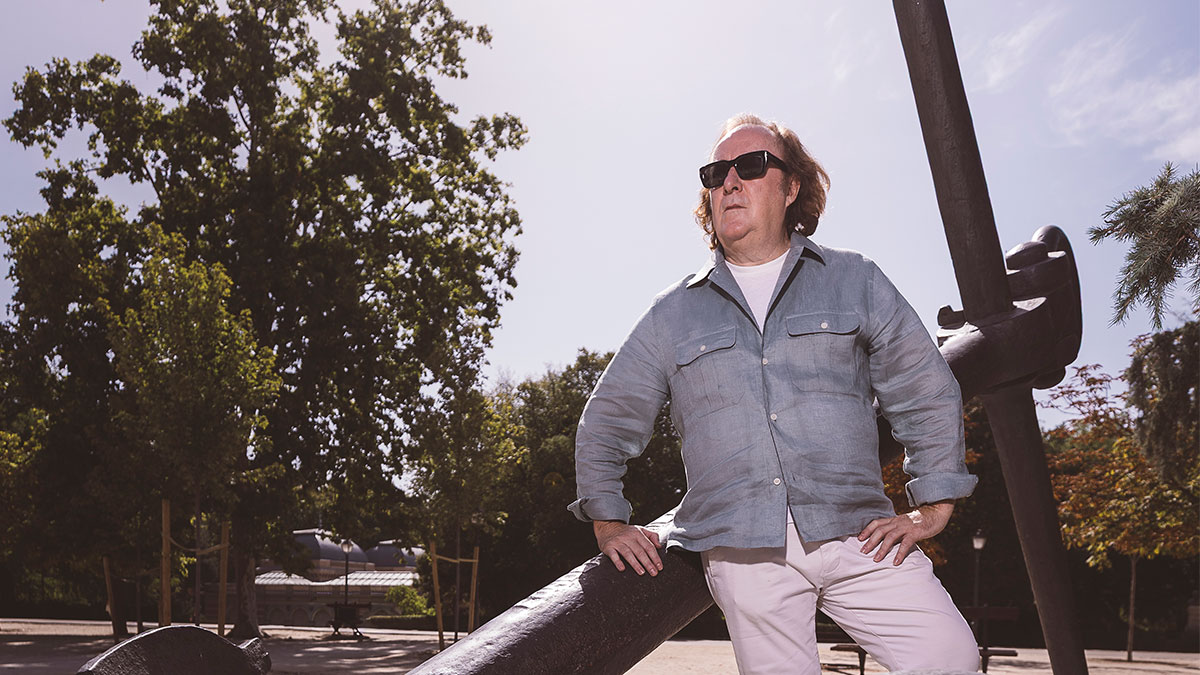
Tomás Alía (Lagartera, 1964) is to Spanish craftsmanship what Félix Rodríguez de la Fuente was to Spain’s wildlife: an expert, researcher, educator, guardian, and staunch defender. The National Prize for Interior Architecture and the Gold Medal for Merit in the Fine Arts confirm that his efforts to defend our collective memory have not gone unnoticed.
When we think of artisanal traditions, we tend to look inland (pottery, metalwork…), and we forget just how much the sea has given us…
Thanks to our location, there have been—and continue to be—true masters in the field of maritime crafts. And not only in Spain, but throughout the Mediterranean. On the one hand, everything related to jewelry and goldsmithing: coral, cameos, and shells. On the other hand, there’s all the “coquille” (French for “shell”) furniture, which was widely practiced in France and Renaissance Italy. And in Spain as well—from facade cladding on churches to accent furniture made from shells. It’s fascinating: you can create lamps, ornamental pieces, desk accessories—all adorned with that texture. Beautiful objects have also been made from coral since time immemorial, especially those from Trapani in Sicily. These are truly exquisite, unmistakable pieces.
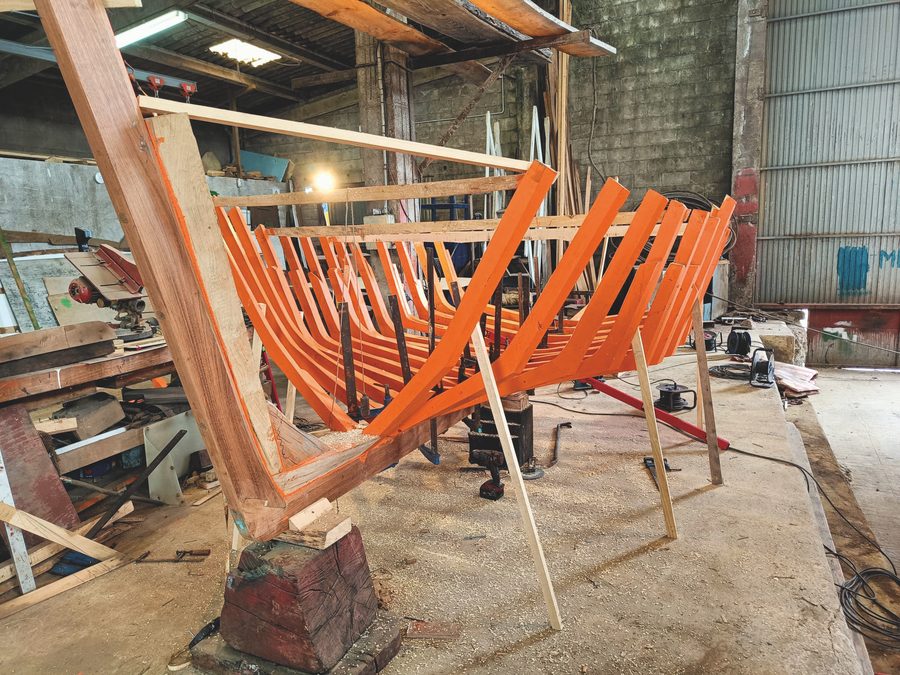
A small boat built at the Catoira Shipyard in Rianxo, A Coruña.
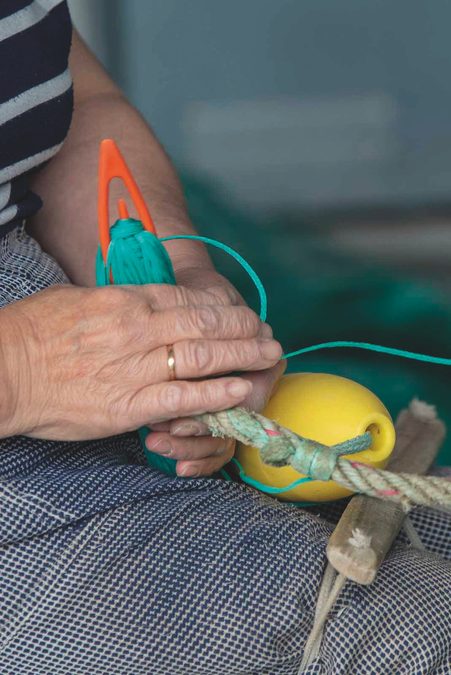
the weaver.
The Collareira Montse Betanzos
Which active maritime artisans do you think are on par with the great masters today?
Montse Betanzos, a seaside artisan in O Grove, is a modern-day example of the treasures—both literal and figurative—that can be made from shells and conch shells. Her hands hold the memory and soul of a land. Also in Galicia, Rosa Rodríguez Vidal is a worthy heir to the master net-makers, who began by mending nets so that the men could go out to fish, and later learned to use the nets themselves to create marvelous pieces: containers that speak of those bonds, of those connections, of that wound the sea inflicts on men on the high seas. From this vocation of care and attention—of giving the net a second life—they have created everyday objects with that unique weave, a poetry of restoration and new uses that deserves to be celebrated. In Spain, we also have some artisans who build marvelous boats, such as Astilleros Catoira: craftsmanship born of the trade, passed down from generation to generation, and finding in wood and the sea its most authentic way of enduring.
What future do you foresee for marine-related crafts?
A bright future, closely tied to luxury in every sense, because luxury stems from what is unique and distinctive. The nautical sector is on the rise, and shipyards are producing many handcrafted boats—some for domestic use, such as fishing boats, and others that are luxury vessels. The future for these artisans lies in creating the finishes, the “second skins,” and those containers that people are demanding. Imagine a boat whose furnishings (tableware, objects, etc.) are made from materials linked to the sea, such as coral: when crafted, they are absolutely beautiful and captivating. I’m talking about personal jewelry, but also about everyday objects from the world of yachts and home furnishings lined with coquille. I see a very bright future for it, because it’s highly valued and has incredible potential for growth.
The rest of the interview, which appears in Issue 8 of Nautik, is available at newsstands and in our online store.