








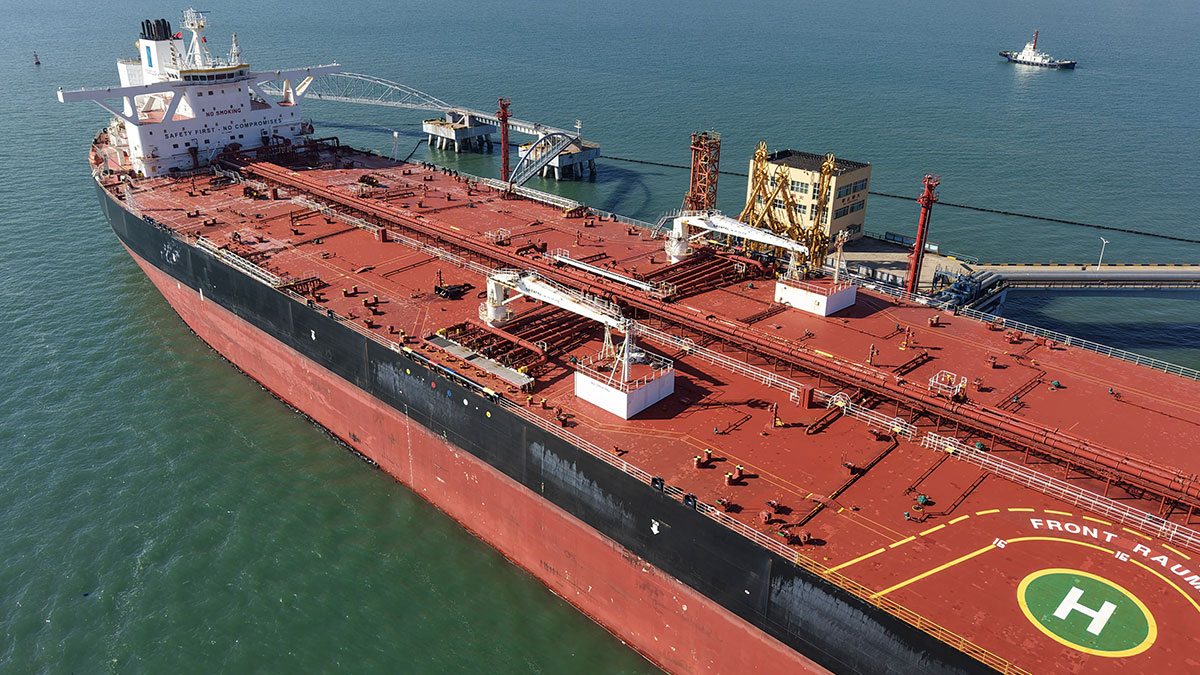
Maritime transport has become one of the main challenges facing the oil supply chain. According to data from the consulting firm Clarkson reported by La Vanguardia, chartering a supertanker for the main routes between the Middle East and Asia now costs more than $1.4 million per day, compared to less than $50,000 a year ago.
The cost of transporting each barrel has risen from about two dollars to nearly 30, representing between 20% and 40% of the total price of crude oil destined for refining. In addition to the shortage of ships, insecurity in conflict-affected areas is driving up marine insurance premiums.
The global fleet consists of some 925 supertankers, capable of transporting more than two million barrels in a single voyage. In addition, alternative routes for supplying refineries—with suppliers from Brazil and Africa—lengthen travel times and reduce the availability of vessels.
According to Clarkson, about 15% of the world’s supertanker fleet remains idle off the coast of Oman, waiting to load crude oil through offshore transfer operations.
The impact comes at a time of intense pressure on energy markets. The price of a barrel of Brent crude has surpassed $117 after rising 6% over the past week, while diesel has exceeded $200 per barrel on international markets. In Spain, refining capacity and the diversification of supply sources are partially cushioning the impact, although the outlook for costs remains uncertain.
