








Just a few meters from the umbrellas, beach chairs, and tourists who flock to Can Pastilla beach in Mallorca every summer, lies one of the most extraordinary archaeological discoveries of recent decades. This discovery has also sparked enormous interest among specialists and publications related to the maritime and nautical world, such as Nautik Magazine, which is fully aware of the historical and heritage importance of the Balearic Mediterranean.
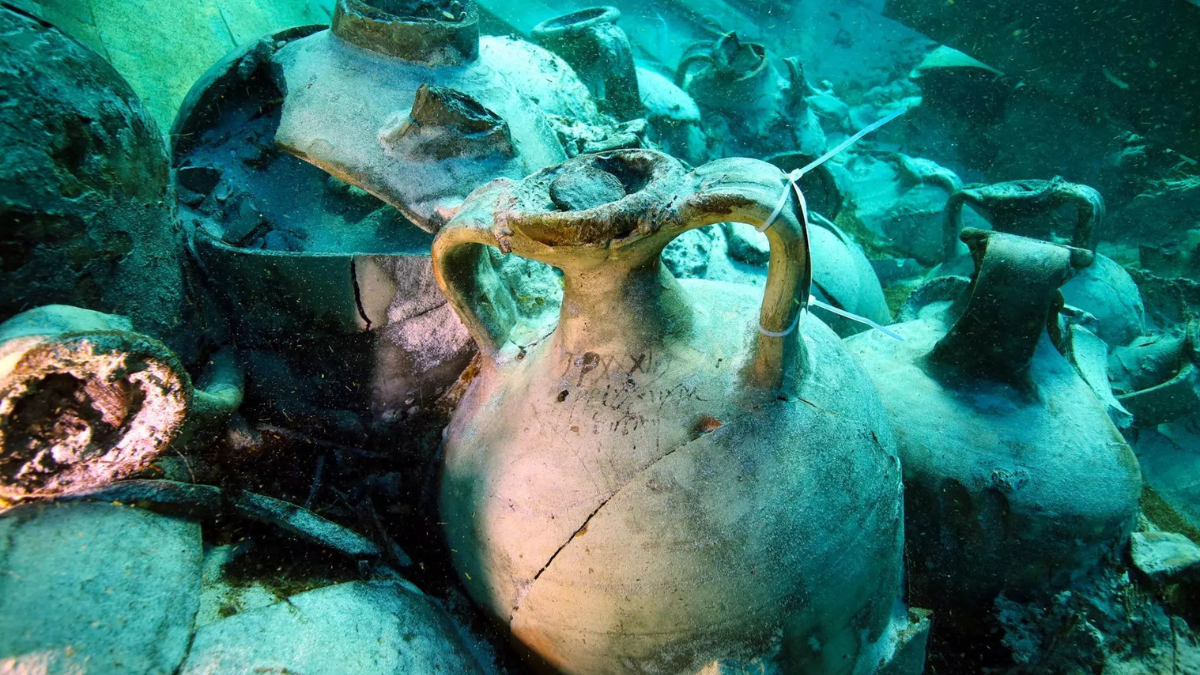
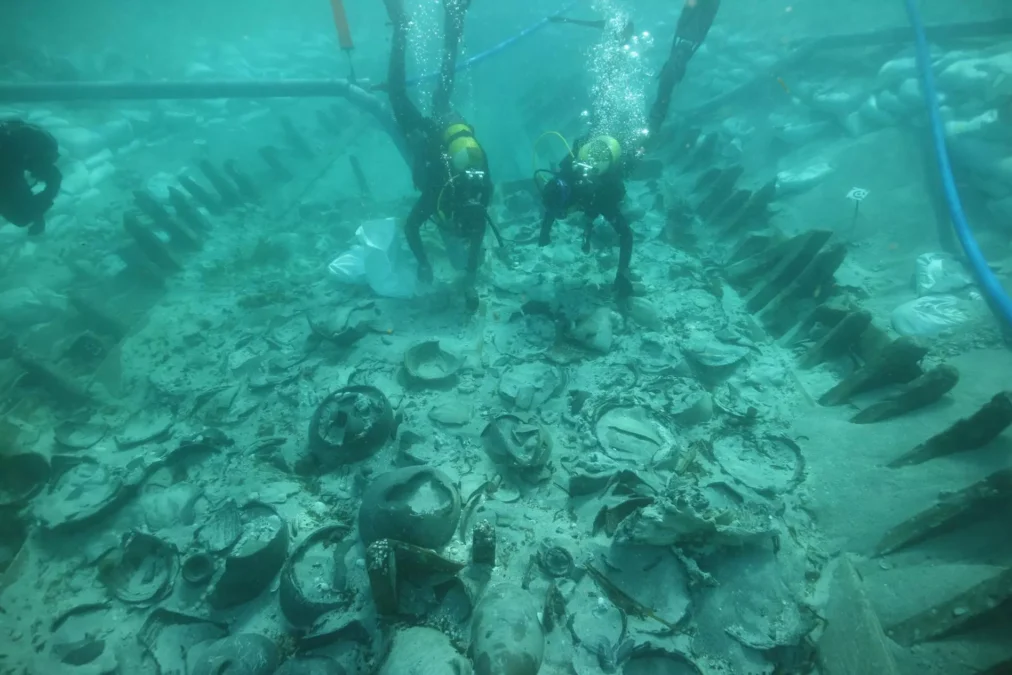
Just two meters below the surface, in an area where inflatable mats and jet skis now float, the Ses Fontanelles shipwreck has been there for more than 1,700 years: a 4th-century Roman merchant vessel carrying amphorae filled with wine, oil, and fish sauces when it sank off the coast of Palma Bay.
What is fascinating is not just the discovery itself, but the condition in which it has survived to this day. Archaeologists consider this ship an exceptional discovery in the field of Mediterranean maritime archaeology, due to the extraordinary state of preservation of its materials and the wealth of historical information it continues to provide. Since it was discovered in 2019 after a storm, the site has continued to reveal details about how Roman maritime trade operated in the western Mediterranean. And now, Mallorca is in a real race against time to save it.
The multidisciplinary team working on the project – made up of specialists from various universities and scientific institutions – continues its work of recovering and conserving the ship’s most delicate parts. The sea, which protected it for centuries beneath layers of sand and sediment, has also become its greatest threat.
Each storm can cause irreversible damage to a wooden structure that has remained intact since Roman times. For this reason, the operation has a certain air of a historical rescue mission. The investigations carried out so far have identified a small merchant ship, about 12 meters long, believed to have set sail from the Cartagena area carrying more than 300 commercial amphorae. Many of them still contained remnants of their original contents and, most notably, something extremely rare: original painted inscriptions.
These texts – known as tituli picti – have opened a unique window into the Roman economy. Researchers have been able to identify the names of the merchants, the tax control systems, and even the various scribes responsible for labeling the goods. This level of detail is practically unprecedented in underwater archaeology. But beyond their scientific value, Ses Fontanelles also tells another story: that of a Mallorca very different from the one we know today.
In the 4th century, the area where Can Pastilla is located today was not an urban beach, but a large navigable lagoon that extended for miles inland. Palma Bay was part of a commercial network fully integrated into the Mediterranean routes of the Roman Empire, connecting the Balearic Islands with the Iberian Peninsula and North Africa. Even then, Mallorca was a strategic point in the Mediterranean.
The discovery also confirms that the Balearic Islands were much more than a remote outpost in the Roman world. They were a center for exchange, transit, and international trade long before becoming a global tourist destination.
And perhaps this is where one of the project’s most powerful images lies. While thousands of visitors enjoy the sea in Palma every summer, beneath their feet lies an intact time capsule, a reminder that Mallorca has been connected to the world through the Mediterranean for centuries. Except that, in the past, it was Roman merchant ships that arrived. Now it’s airplanes.
