








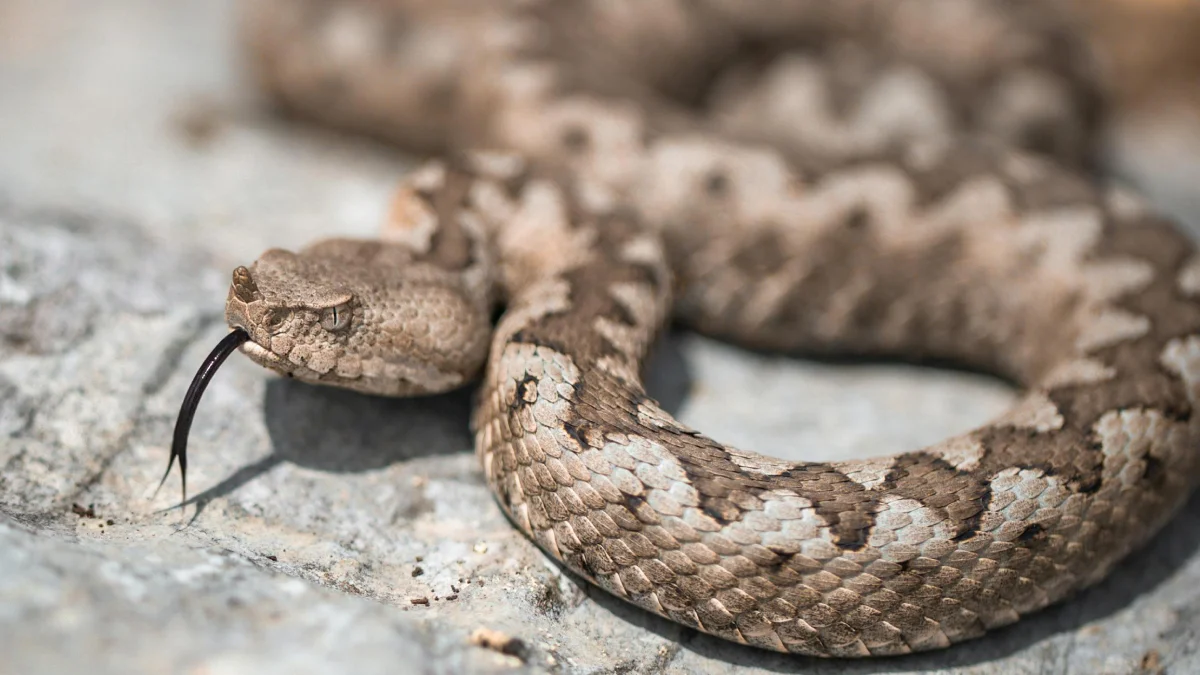
The Balearic Islands government has stepped up its efforts to combat the spread of invasive snakes in the Pitiusas Islands, capturing more than 4,400 snakes during the 2025 campaign. This increase reflects both the reinforcement of the resources deployed and the severity of an environmental problem that seriously threatens native species, especially the Pitiusan lizard (Podarcis pityusensis), one of the most vulnerable symbols of these island ecosystems.
The situation was discussed at a meeting held at the Consell Insular d’Eivissa, attended by officials from the Department of Natural Resources along with institutional representatives from Ibiza and Formentera. During the meeting, participants emphasized the need for a joint, long-term strategy backed by scientific criteria to address what is already considered a growing ecological emergency.
The data presented by COFIB highlights the scale of the challenge. In Ibiza, where nearly 2,000 traps were set up, more than 3,600 snakes were captured, mostly horseshoe snakes, a species that continues to spread rapidly across the island. In Formentera, with just over 500 traps, nearly 900 specimens were recorded, mainly white snakes, in addition to isolated new sightings of horseshoe snakes in port areas.
One of the most significant changes has been the decision to keep the trapping system active year-round, including during the winter. This measure has made it possible to improve control in strategic areas and prepare in advance for the 2026 campaign, which will include more staff—up to 13 specialists—and a significant increase in resources to curb the spread, particularly in western Ibiza and sensitive coastal areas.
Concerns are particularly high on islets and in areas of high ecological value, where the presence of snakes poses a direct threat to unique populations of Pitiusan lizards. To address this threat, new initiatives have been launched, such as the creation of safe, snake-free refuges—the first in Can Marines—and conservation programs outside their natural habitat in collaboration with organizations like the Barcelona Zoo, where controlled breeding of the species is already underway.
In addition to these measures, preventive actions are being taken to prevent new snakes from entering the area, particularly through freight transport, as well as public engagement through tools such as the Línea Verde app, which has facilitated numerous reports. All government agencies agree that the key lies in coordination and perseverance, since what is at stake is not just a single species, but the ecological balance and a unique natural heritage.