








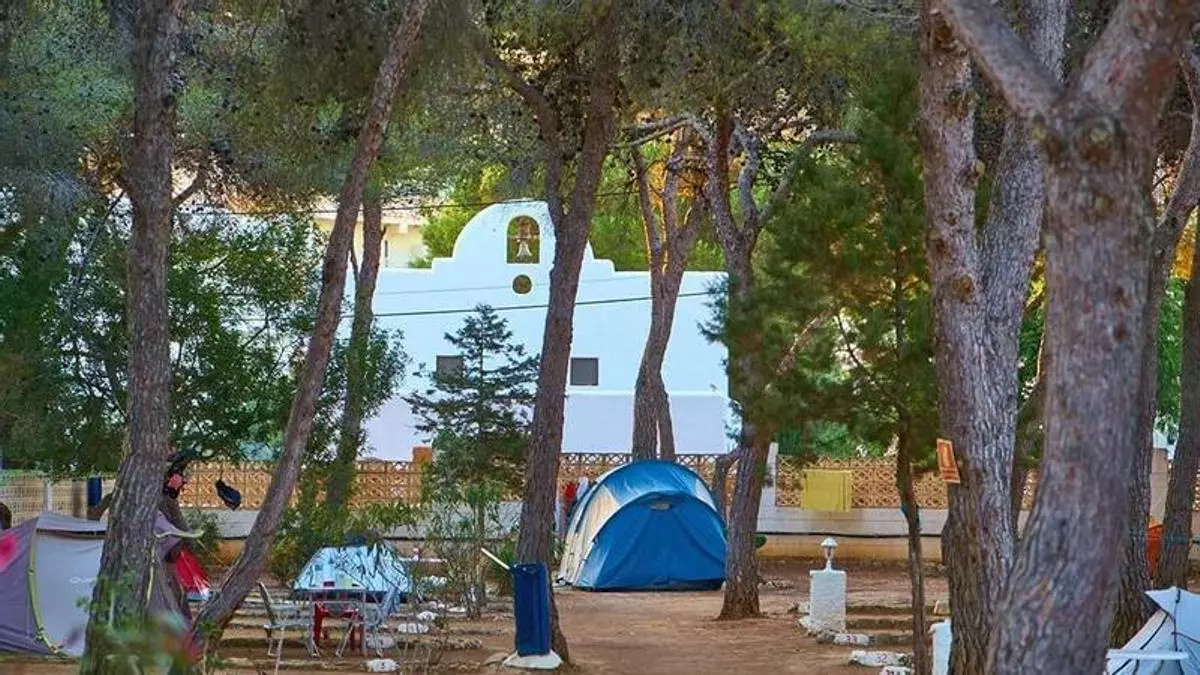
Ibiza is changing. And few places symbolize that transformation better than the permanent closure of Camping Es Cana, one of the island’s most recognizable accommodations for nearly five decades.
The establishment, located in Es Canar, announced its closure with a heartfelt message addressed to guests and visitors who, for years, found there a different way to experience Ibiza: more relaxed, more natural, and deeply connected to the island’s Mediterranean spirit.
For decades, the campground was part of Ibiza’s emotional landscape. A simple spot nestled among pine trees where international travelers, returning families, and tourists seeking a less conventional experience—one closer to nature—came together. Its laid-back, cosmopolitan atmosphere helped cement that image of an open, free, and diverse Ibiza that captivated Europe for years.
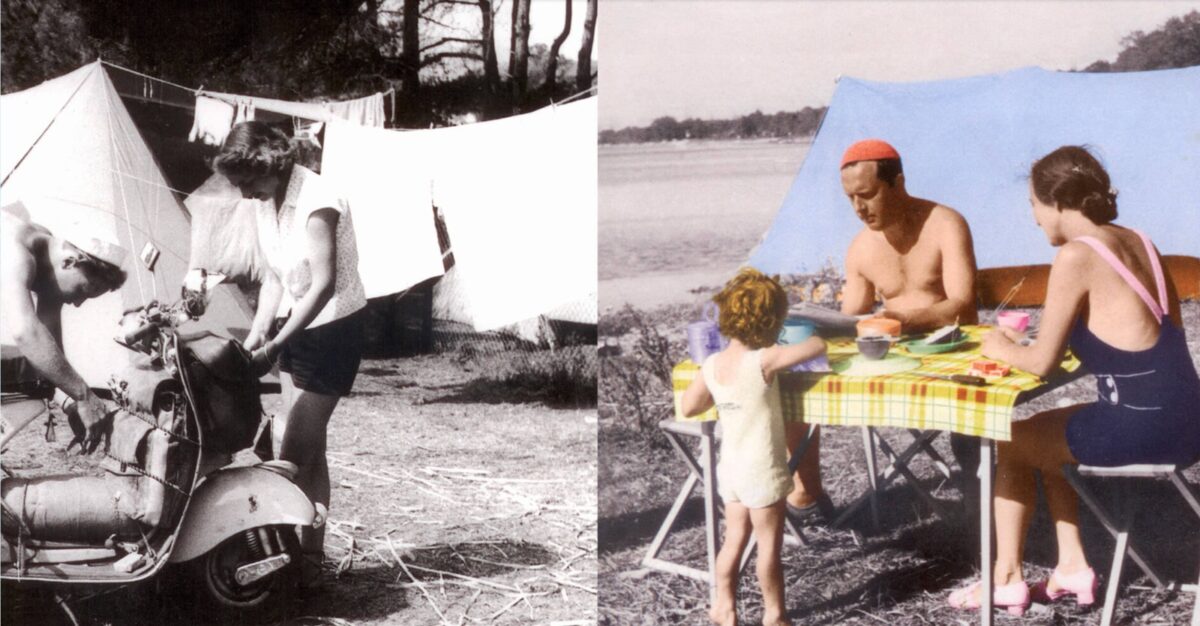
But the closure of Camping Es Cana also reflects something more profound: the natural evolution of the Balearic Islands’ tourism model toward a more sophisticated, sustainable, and quality-oriented approach.
On the site where tents and caravans once stood for years, construction is now underway on a new hotel that aims to become one of the area’s most significant hotel projects by 2027. The future property will feature 116 rooms, a spa, a swimming pool, and a concept described by the developer as “understated Mediterranean luxury.”
Far from visual excess or ostentatious luxury, the project aims to blend into the landscape and revive traditional elements of Ibizan architecture, surrounded by native vegetation and offering an experience more in line with the new profile of international travelers visiting the Balearic Islands: visitors who prioritize well-being, design, authenticity, and experience.
This transformation is no accident. For years, Ibiza has been establishing a global reputation in which premium tourism is gaining ground over mass tourism. Boutique hotels, signature cuisine, wellness, sustainability, and exclusive experiences are now central to the island’s economy.
In this context, the closure of historic venues like Es Cana does not merely mark the end of a nostalgic era, but also reflects Ibiza’s adaptation to an increasingly competitive and demanding international tourism market.
The island is now seeking to strike a balance between preserving its identity and moving forward. It aims to maintain its Mediterranean essence while redefining the quality of its tourism offerings.
And perhaps that is why the closure of Camping Es Cana feels both symbolic and consistent with the current state of Ibiza. The place that for years embraced a more spontaneous way of traveling will give way to a new generation of Balearic hospitality: more refined, more integrated, and designed for travelers who no longer seek merely a place to sleep by the sea, but rather a connection to a way of life.
Because Ibiza has never stopped reinventing itself. And it is precisely in this ability to evolve without losing its appeal that much of its international success lies.