







The Academy of Gastronomy of Ibiza and Formentera held a new edition of its annual awards at the Ibiza School of Hospitality, an event that recognizes the island’s gastronomic excellence and highlights tradition, innovation, and the promotion of local products as fundamental pillars of the islands’ culinary identity. The Royal Academy of Gastronomy emphasized that “a people’s cuisine is part of its soul,” highlighting the essential role of farmers, fishermen, chefs, and producers in building this living heritage.
During the gala, Pedro Matutes, president of the Acadèmia in the Pitiüses, noted that Ibiza is experiencing an “extraordinary moment” in the culinary world, thanks to the joint efforts of the entire sector. He argued that these awards recognize “the talent, perseverance, and commitment” of those who work to maintain a cuisine that evolves without losing its roots, based on locally sourced ingredients, sustainability, and the cultural identity of the region.
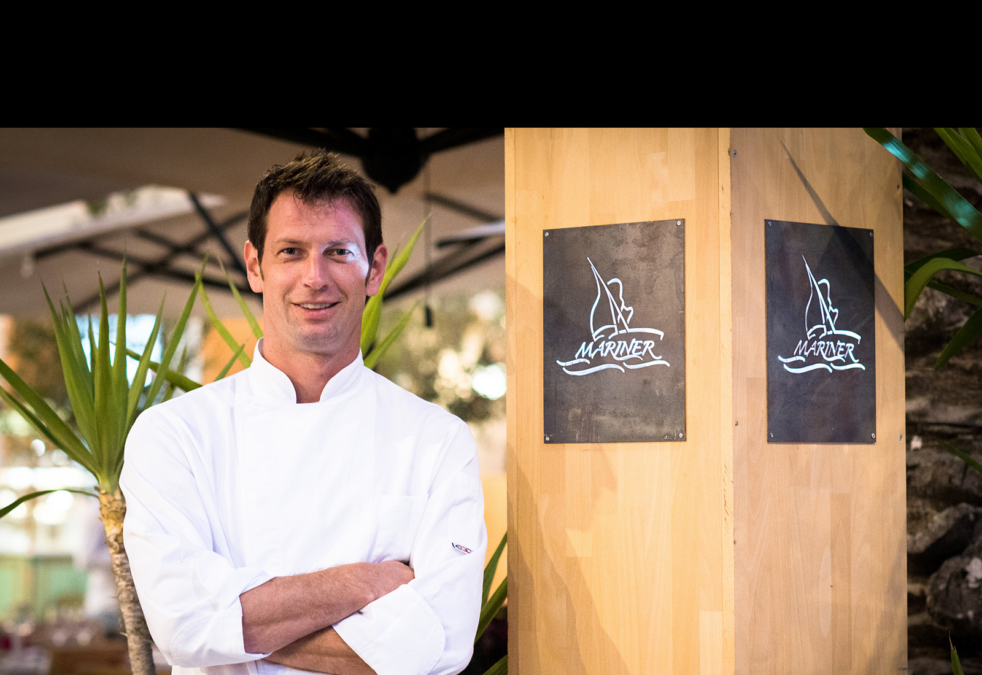
In this sixth edition, eight main awards were presented, reflecting the diversity of Ibiza’s culinary scene, as previously announced last January. The following were honored: the Camí de Balàfia restaurant for its tradition and commitment to local produce; the Marí Mayans family for their dedication to Ibizan produce; Ca n’Anneta as the island’s living history; Es Xuclar as best beach bar; Celler de Can Pere as best traditional restaurant; NOHO as best new opening of the year; fried squid as best traditional recipe; and chef Olivier Pérez, of the Mariner restaurant, as best chef of 2025.
The gala also served to honor the new ambassadors of the Acadèmia de Gastronomia d’Eivissa i Formentera, chefs José Miguel Bonet and Antonio Pacheco, who were also recognized at this year’s event.
In this context, the value of local products has also been highlighted, with a special focus on Ibizan lamb as one of the most representative ingredients of traditional cuisine; while its production is currently facing challenges, there are initiatives underway to revive it.
The heart of the ceremony
One of the most moving moments of the ceremony was the tribute to Juan Riera “Aliso,” who was posthumously honored for his lifelong dedication to local produce and gastronomy. His widow, Estela González, accepted the award, recalling his commitment to the land and his pioneering vision in organic farming, as well as his belief that Ibizan wine and produce are an inseparable part of the island’s culinary identity.
Teamwork
The final award of the evening, for Best Chef, went to Olivier Pérez of Mariner restaurant, who accepted the honor with emotion amid the island’s world-class culinary scene. “The truth is, with all the talent there is in Ibiza, it’s a source of immense pride and joy,” said the chef, who wanted to dedicate the award especially to his team, whom he acknowledged during his remarks in the hall. Pérez emphasized that he has been working with them for years and that they are a key part of the restaurant’s success: “Without them, I wouldn’t have wanted to be here or accept this award,” he said, highlighting the importance of teamwork.
A Taste of Ibiza’s History
Ca n’Anneta was honored at this year’s awards ceremony hosted by the Academy of Gastronomy of Ibiza and Formentera as a living part of the island’s history, a recognition of more than 150 years of family history in Sant Carles. In the video shown during the gala, Paula, a representative of the sixth generation, recalled the establishment’s origins, when José Noguera purchased the land next to the church and built a house that housed a grocery store, bar, and tobacco shop under the name Sa Botiga de Can Pep Benet.
Over the generations, the business has evolved without losing its family-run character, first under the management of Antònia Noguera and later under that of great-grandparents Bartolomé and Anita, who kept the business afloat during difficult times and established the production of herbal liqueur, which has become one of its hallmarks. With the arrival of the 1960s and the boom in tourism and the hippie movement, the establishment became a key gathering place in Sant Carles, evolving into a hub of community life and a social landmark on the island. In the following decades, the next generation turned the business into a restaurant and strengthened the profile of its traditional herbal liqueurs, achieving significant recognition both on and off Ibiza and cementing a legacy honored with distinctions such as the Ramón Llull Prize in 2006.
Recognition and Awareness
The gala highlighted the balance between tradition and modernity that defines Pitiusan cuisine today, in an edition where the award winners represent both culinary heritage and innovation in cooking, ingredients, and business models. However, it also served to highlight one of the main challenges facing the sector in the Pitiusas: the shortage of staff in the hospitality industry, a widespread problem affecting a large number of establishments and impacting their daily operations, from delayed openings to difficulties in maintaining service standards.
Overall, the awards have reaffirmed their role in recognizing the efforts of the entire culinary chain—from farm and sea to table—and in promoting a model that safeguards the culinary identity of Ibiza and Formentera, reinforcing their role as a cultural, economic, and tourism driver for the islands.