







Located in the historic center of Palma, specifically in the Santa Eulalia neighborhood, Can Vivot embraces an approach that combines respect for historical heritage with economic activities that support its preservation. This Baroque palace, which could have served as a setting for *The Leopard*, has belonged for generations to the Counts of Zavellà, Members of the Spanish House of Nobility. Today it is owned by Pedro de Montaner and his wife, Maida de Quiroga.
Since 2023, Montaner has revitalized the property, combining its use as a private residence with public access—and particularly for the business community. Pop-ups, photo shoots, presentations, and corporate events are part of a curated program designed to generate revenue. This helps sustain a “high-cost” heritage asset, as it is a historic and listed building. “It’s a way to secure funds for its upkeep; many companies request spaces for events or dinners,” the property’s management explains.
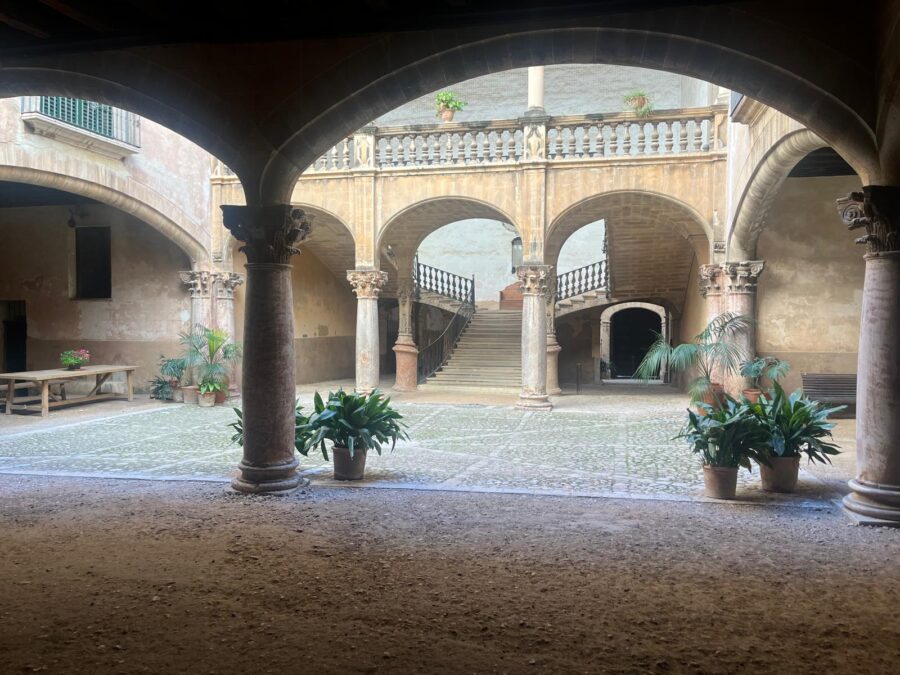
Until just a few years ago, Can Vivot remained virtually hidden. It was a large, enclosed block with a fenced-in courtyard that barely revealed its imposing staircase. Today, its opening provides access to a setting that has remained intact since the 18th century. “It’s a rarity not only in Mallorca, but throughout the Mediterranean,” notes Montaner, referring to what is likely the last remaining palace. The uniqueness of the project lies precisely in that rare balance. It is not a museum space, but a lived-in home. Part of the palace continues to be used as a family residence, which reinforces the authentic character of the experience. The couple’s daughter, Sol, was responsible for conceptualizing the project, which allows for the reconciliation of private use and public access.
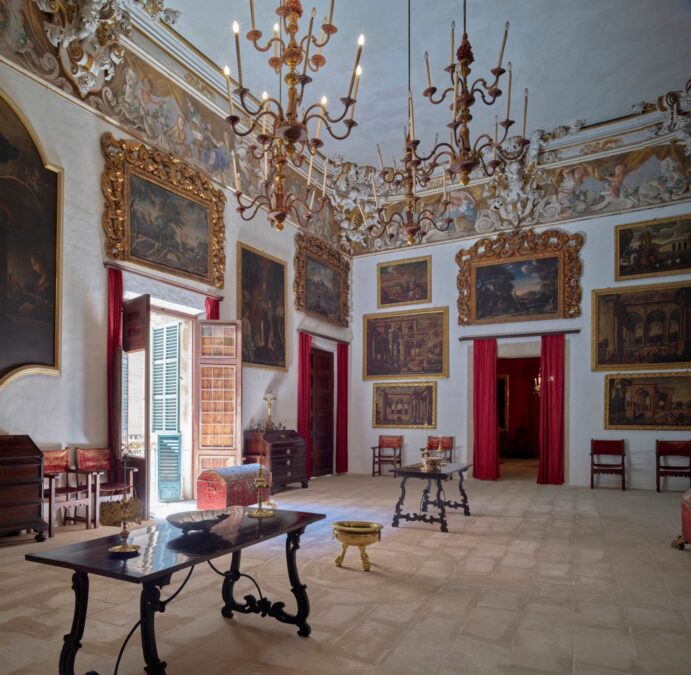
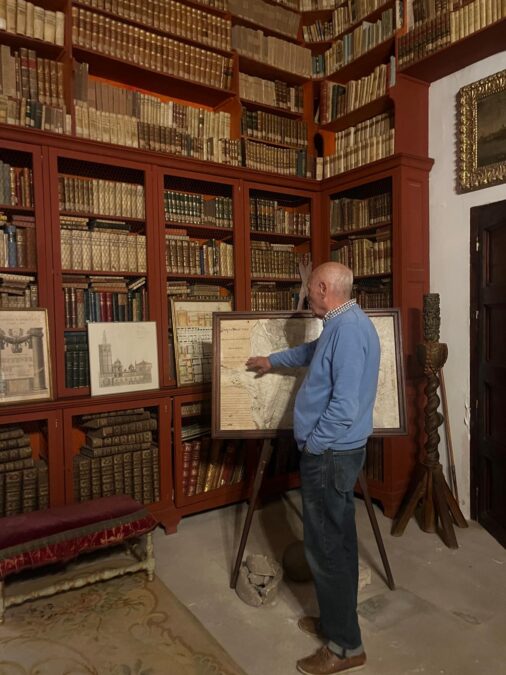
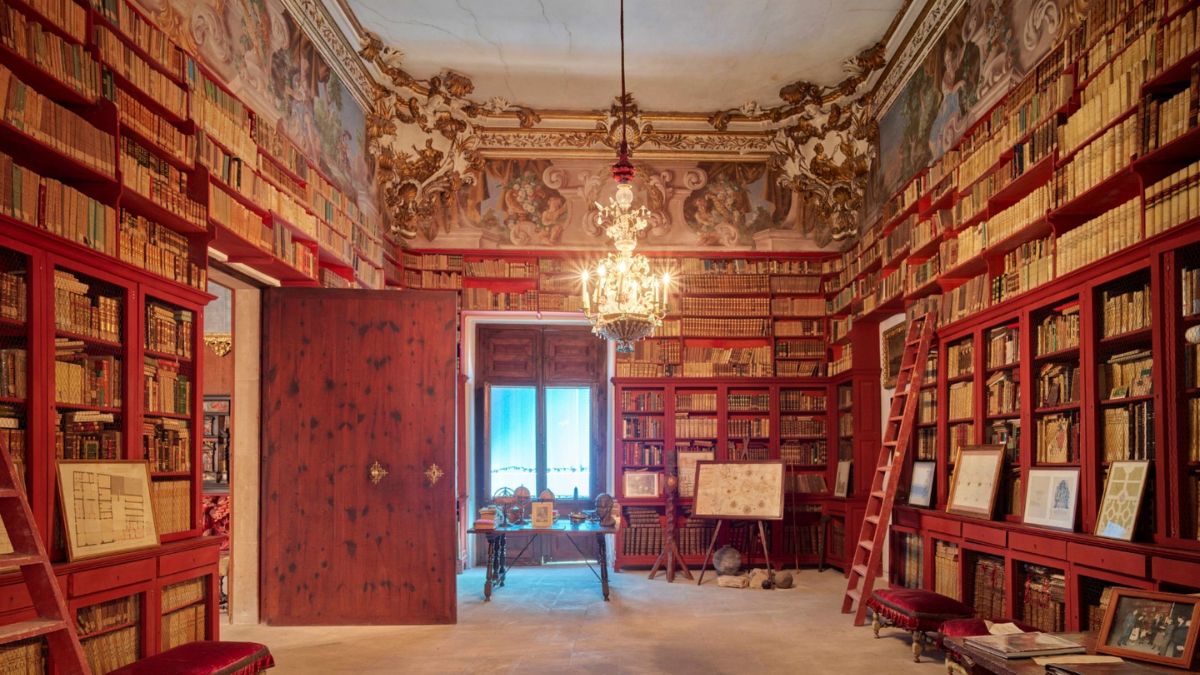
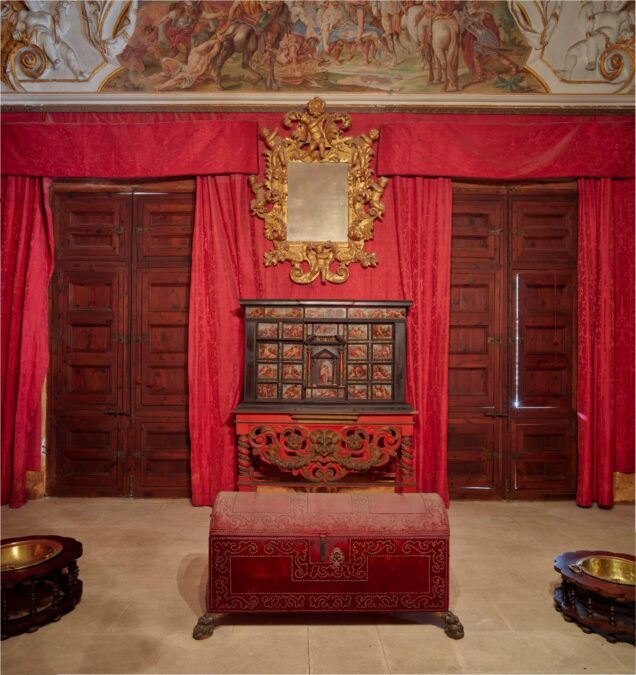
The tour begins in the entrance hall, accessed via the imposing Baroque staircase that stands out within the architectural complex. From there, visitors pass through a series of rooms that have retained their original layout. Upholstered salons, fireplaces, pieces of gold and silverwork, and, above all, a library that is the true jewel of the house. Its collection includes incunabula, manuscripts, and codices by Ramon Llull, along with editions from Archduke Louis Salvator of Austria. Among the most significant pieces is the original diary of the Battle of Lepanto.
The library opens onto the music room, which is decorated with Baroque tapestries. It is worth noting that, in the 18th century, the estate’s staff included an entire family of musicians born in the village of Valldemossa. “This is where we usually hold cultural activities and private events, in a more intimate setting than the courtyard,” explain the owners.
Can Vivot’s value also lies in its art collection. In the so-called Ribera Room, there is a *Saint Jerome* signed by the artist, which was once loaned to the Metropolitan Museum of Art in New York for a monographic exhibition. Opposite it, another work—in this case attributed to Artemisia Gentileschi—reinforces the exceptional nature of the art gallery in a palace brimming with treasures, such as Philip V’s bedroom, Murano glass, period Mallorcan furniture, and Baroque consoles.
Behind this initiative lies a structure designed to make it possible. In 2022, the Can Vivot Association was created, bringing together professionals ranging from art historians to economists, to professionalize management and facilitate “access to funding” with the goal that “profits from activities will be reinvested in the building’s conservation,” they note. At the same time, the house has begun to position itself as an attractive venue for brands and cultural projects. Collaborations with initiatives such as the X-Tant textile festival, focused on the world of textiles and crafts, or musical events like Fest Music. These two activities boost the project’s visibility. Meanwhile, the palace’s social media presence serves as a channel for attracting new audiences, whether on Instagram or on the website where additional information is provided.
The challenge for the owners is to maintain the delicate balance between preservation, use, and profitability. In the case of Can Vivot, this model is already in place. And a palace, rooted in the 18th century yet true to its identity, has found a way to secure its future through the unique experience it offers.