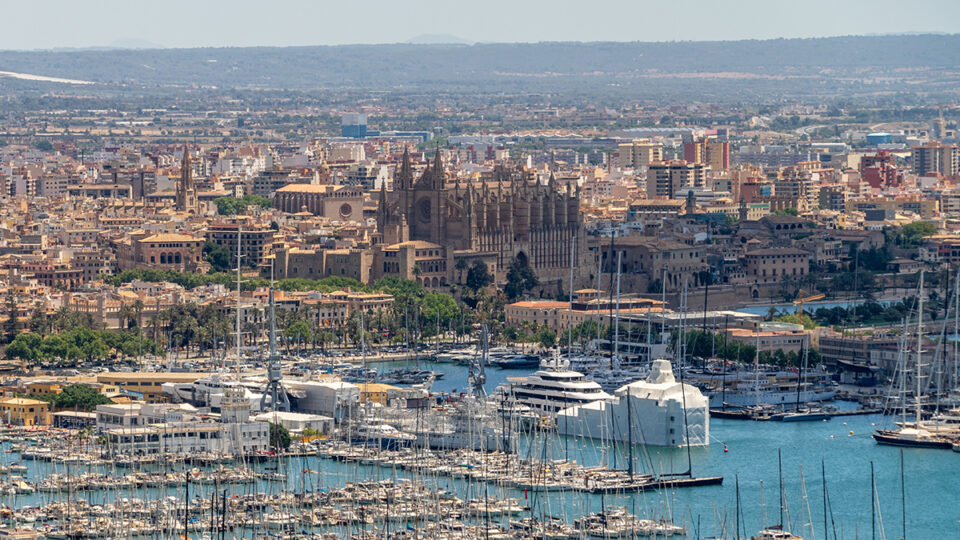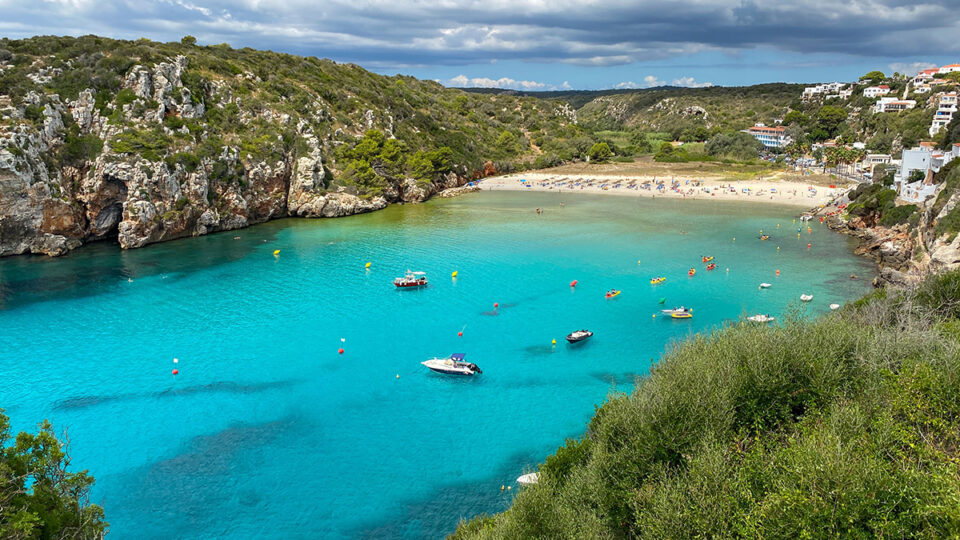








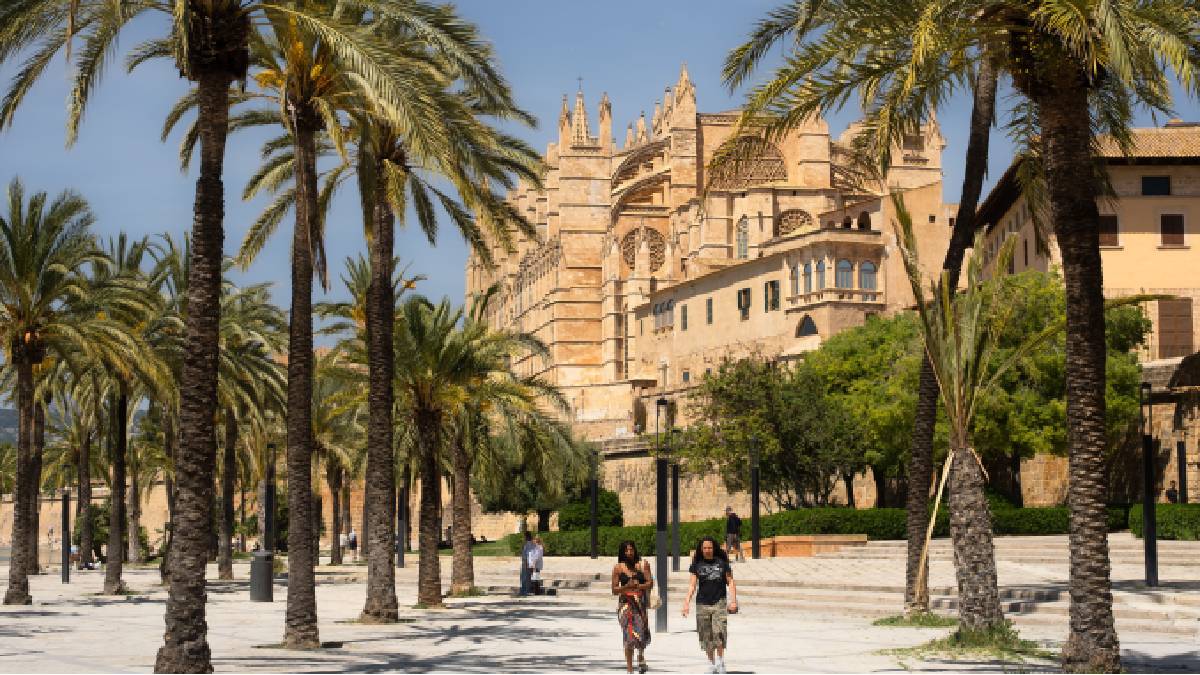
Palma de Mallorca, Barcelona, and San Sebastián lead the performance of Spain’s urban hotel market in terms of revenue per available room (RevPAR), supported by strong international demand, an increased supply of higher-end properties, and high average daily rates (ADR), while emerging secondary destinations, such as Alicante, are closing the gap thanks to higher growth rates.
This is evident from the latest report by Christie & Co, which analyzes Spain’s 17 leading urban destinations, covering the period from January through August 2026, and highlights that most Spanish destinations are gradually reducing their dependence on seasonal demand, shifting overnight stays toward the off-season.
By destination and RevPAR, Barcelona led the market with 151.6 euros, followed by the aforementioned San Sebastián (147 euros) and Palma de Mallorca (132.3 euros), as well as Madrid (120.3 euros) and Málaga (120.8 euros).
On the other hand, Alicante has already surpassed the 100-euro threshold, and Cádiz has approached 90 euros, reflecting an increasingly diversified urban demand and a growing ability to generate value through rates, according to the study.
In addition, A Coruña (+21.3%), Valencia (+14.9%), and Zaragoza (+13.6%) posted the highest RevPAR growth for the period through August compared with the same period in 2025.
In terms of demand, the consulting firm noted that this breadth reduces dependence on specific markets and confirms Spain’s global appeal both in Europe and in long-haul markets. Thus, the United States, Germany, the United Kingdom, France, and Italy are the main source markets, while 28.9% of demand comes from a highly diversified base of other countries.
Palma, longest average stay
From January through August, leisure destinations recorded the longest average stays: Palma de Mallorca reached 3.6 nights and Alicante, 2.7. Córdoba, Zaragoza, Santiago, and Salamanca averaged between 1.6 and 1.7 nights.
Another aspect highlighted by the analysis is the improvement in the overall seasonal adjustment of destinations, as many urban destinations recorded higher growth in the winter than during the peak summer season and maintained stable demand during the off-peak months.
Improved connectivity, favorable weather conditions for more months of the year, and the growing popularity of cultural tourism, leisure travel, and city getaways are extending demand beyond the traditional summer season.