







Digital detoxes have surged in popularity in 2026, with more and more travelers taking advantage of their vacations to disconnect from screens. A new report from Priceline identifies an extreme version of this practice, called “dead zonening,” as the next big travel trend for late 2026. This trend involves travelers choosing to visit remote and isolated areas where disconnecting is no longer an option. The report reveals that 59% of travelers say they set stricter boundaries with work during their vacations and choose destinations that make it easier to disconnect.
Luxury destinations where you can experience the “dead zones” trend
UNESCO biosphere reserves are among the best places for creating light-pollution-free zones, according to Travelbag, experts in luxury travel. Taking into account light pollution, mobile and fixed broadband download speeds, road density, and the number of hotels with the Michelin Key distinction, the Baa Atoll in the Maldives ranks at the top.
Here, you can disconnect from the outside world without any restrictions and relax. With a speed of just 60 Mbps, you’ll still receive messages, but the connection isn’t strong enough for smooth streaming—which makes it easier to resist the temptation to stay connected.
The resort also has just 0.01 mcd/m² of light pollution and 0.00 km/km² of traffic density, which means you’ll not only be disconnected from the digital world, but also surrounded by absolute peace. And you won’t have to sacrifice luxury, as there are 12 Michelin Key-certified hotels in the surrounding area.
The UNESCO Biosphere Reserve is teeming with marine life, including some 1,600 reef manta rays, whale sharks, and sea turtles, making it a paradise for anyone looking to unwind and immerse themselves in nature.
“While typical digital detoxes involve people putting away their phones and going back to analog watches and digital cameras, choosing a secluded spot like the Baa Atoll in the Maldives can feel like stepping into another world,” says Sheryl Drane, a Maldives destination expert at Travelbag. “In this world-class biosphere reserve, you can enjoy the natural sounds of the outdoors, unlimited open space to move around, walk, and swim, as well as the peace and serenity of a truly tranquil setting.”
The Kafa Forest in Ethiopia ranks second, with 0.01 mcd/m² of light pollution and a road density of 0.02 km/km². The reserve spans 2,100 square kilometers of Afromontane cloud forests and deep valleys. It is also recognized as the genetic cradle of wild Arabica coffee.
The Waterberg Bushveld in South Africa ranks third, with 0.01 mcd/m² of light pollution and 0.08 km/km² of road density. Covering an area of approximately 15,000 square kilometers, it is a rich ecological landscape characterized by sandstone cliffs, mountainous savannas, and deep gorges. Its rock formations date back millions of years and constitute one of South Africa’s most important rock art sites, according to UNESCO.
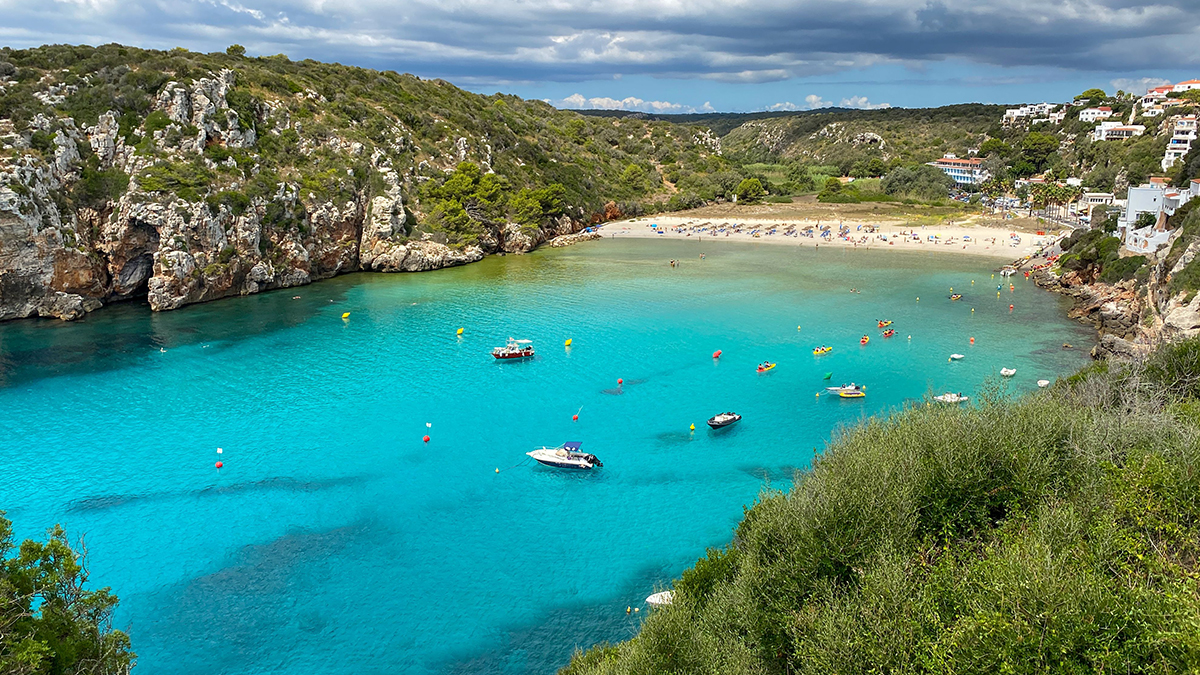
The Engadine Valley in Switzerland ranks sixth on Travelbag’s list, alongside Menorca (Spain), but is ranked as the most luxurious destination of all. It has the highest number of hotels with the Michelin Key distinction in the region—14 in total—even more than the Maldives.