








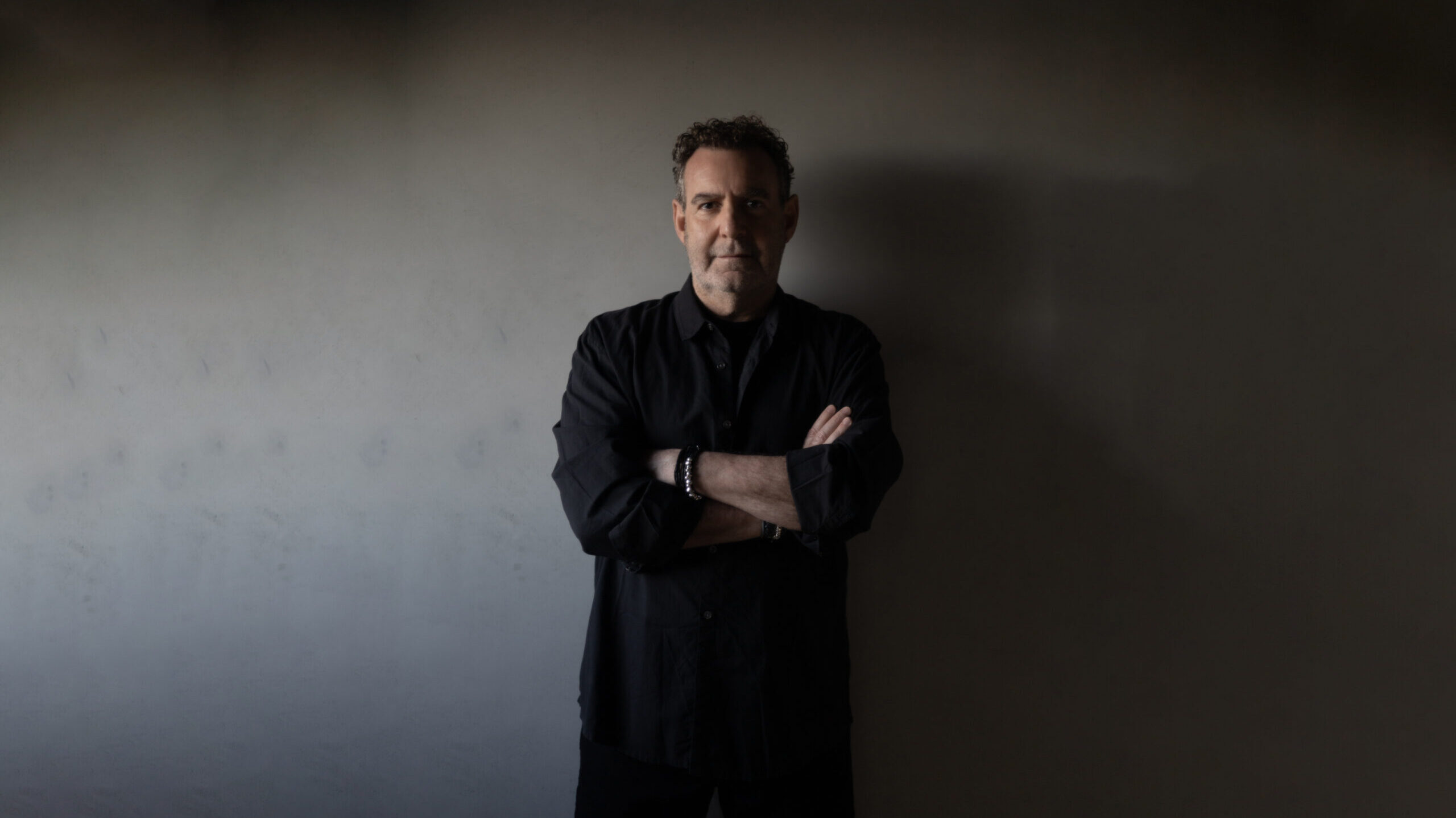
Lio Malca is a renowned collector of contemporary art and a surrealist thinker who runs galleries in New York (60 White), the La Nave Salinas Contemporary Art Foundation (Ibiza), and Casa Malca in Tulum, Mexico. He is also a great discoverer of artists such as Jean-Michel Basquiat, Keith Haring, Kenny Scharf, KAWS, Marco Brambilla, and other renowned contemporary painters. Over the past eleven years (since 2015), Malca has presented major successful exhibitions at La Nave Salinas in Ibiza with artists such as the aforementioned, as well as Pedro Pedro, Spencer Lewis, Mai Blanco, Jonny Niesche, Eva Beresin, Rafa Macarrón, and Bill Viola. His avant-garde spirit, his understanding of the artist’s narrative, and his forward-looking vision for the art market have made him a visionary promoter of contemporary curatorial projects.
How did he become the owner of a gallery?
It was never part of the plan. I started out collecting prints, but I soon realized that what I’m truly passionate about are original works and the stories of the people who created them. This curiosity led me to open a gallery on the sixth floor of SoHo. Sales were just part of the journey; what really motivated me was discovering artists, learning from them, and continuing to feed that curiosity.
What does art mean to you?
As a child, I was fascinated by magic. Over time, I realized that I had never really abandoned it; I had simply moved on to another stage. For me, art is still that ability to inspire awe, to make us see things in a different light, and to discover something that was always there but that we hadn’t noticed. I never gave up on magic. I simply moved on to another stage.
Has their view of art changed with the advent of new technologies?
Tools have always changed. What never changes is the emotion a work of art can evoke. So far, no technology has changed the way I see things, but I never rule out the possibility that it could. Curiosity also means being open to being surprised.
What do you look for in an artist? Do you value emerging artists as much as established ones?
I always try to feel a work of art before understanding it. I’ve never made a distinction between emerging and established artists. I don’t choose artists because they’re similar to one another. I choose them because each has their own voice and something genuine to say. The artist initiates the conversation; the work is the language; and we are the participants.
What role do money play in contemporary art?
Money is very important because it allows artists to earn a living and keep creating. It is the foundation of this entire ecosystem. Without people who believe in their work and want to engage with their art, it would be very difficult for them to devote themselves fully to creation.
Does contemporary art, in particular, remain a haven for money laundering or for investment?
I don’t like to generalize. There will always be people who misuse any activity, and art is no exception. But to reduce the art world to that would be a mistake. A work of art can become a good investment, but the real difference lies in why you buy it. If you buy it because you connect with it, because it moves you, and because you believe in the artist, the financial value becomes a consequence, not the reason.
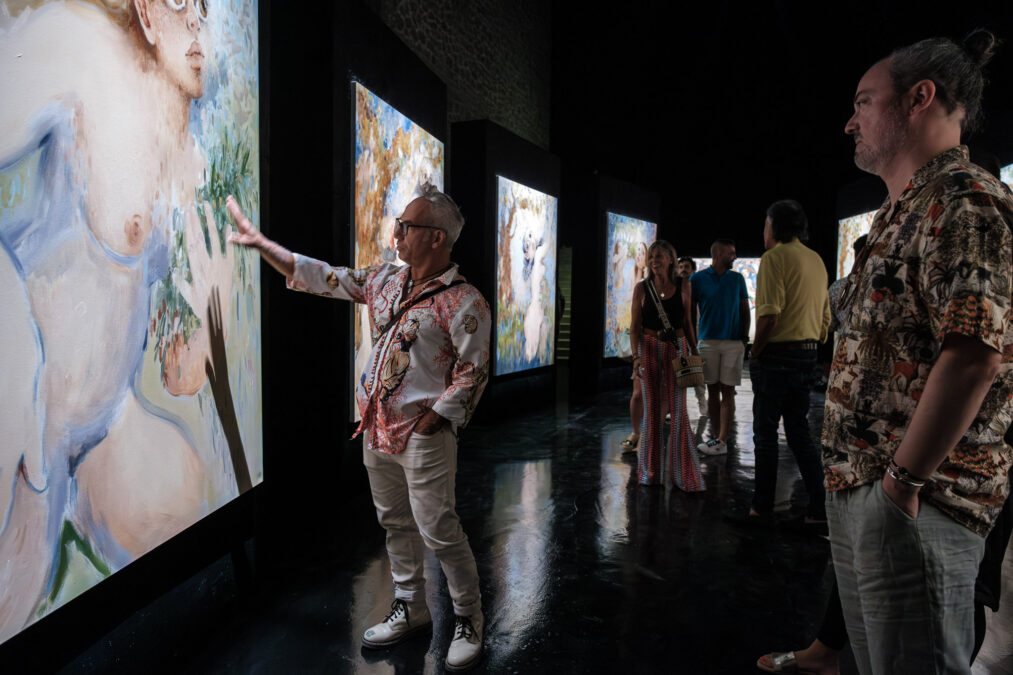
How has a project like La Nave Salinas managed to stay active for more than a decade?
La Nave is sustained by our commitment and the conviction that it’s worth continuing. It was born from a tremendous passion for artists and the desire to offer them a unique space to showcase their work. Eleven years later, we remain as enthusiastic and committed as ever. Each exhibition presents a great challenge, but it is also an opportunity to give back to the artists a little of what they have given me.
They divide their time between New York, Ibiza, and Tulum. What do they find in these iconic yet completely different places? Is there any connection between them?
Connection is, in fact, disconnection. For me, New York is a transitional place where, one way or another, everything that interests me ends up passing through. It has an energy that attracts many and repels others. I love it, and when I’m far away, I feel like it’s calling me back. I once heard a description of Ibiza that I’ve always found very fitting: it’s the largest collection of black lambs that, over time, became white swans. Today, many of them are close friends. It was very easy to choose Tulum as one of my anchors. When I arrived in 2012, I felt a sensation similar to jumping into a fast-flowing river: an energy that sweeps you up and drives you to explore. There, I was able to delve deeper into something I was very interested in: creating a hybrid between the worlds of art and hospitality. Pure alchemy. I don’t think it was a coincidence that the Maya chose a place like this to build such an important city.
Is AI changing the nature of art?
I still haven’t seen anything that makes me think artificial intelligence has profoundly changed art, but maybe it’s just around the corner. Innovation for its own sake has never impressed me. What impresses me is when a new tool manages to evoke an emotion that didn’t exist before.
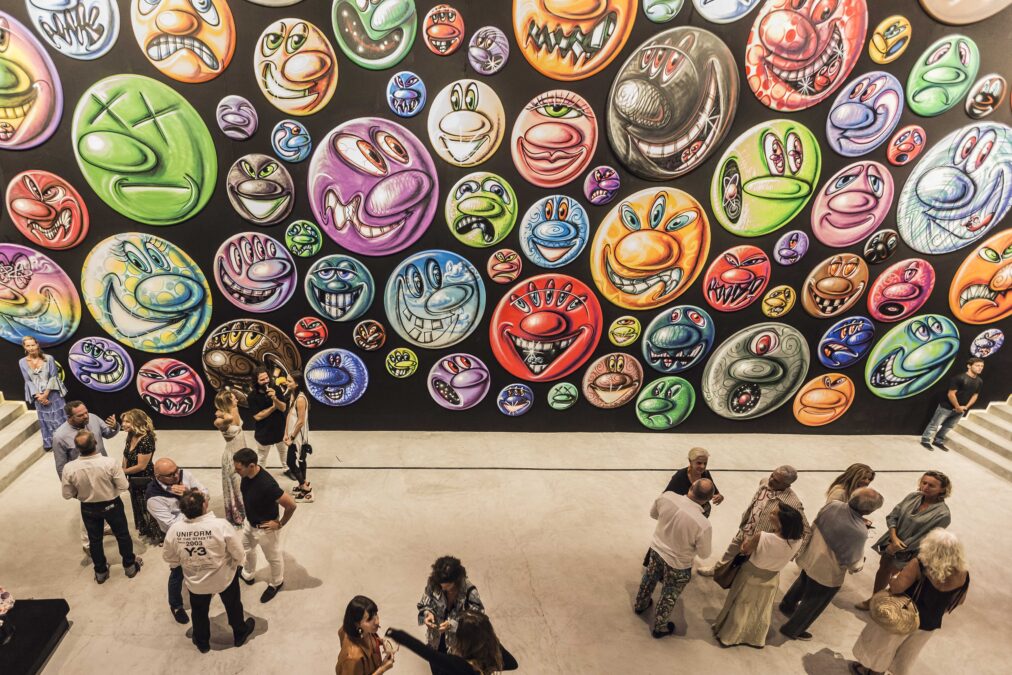
La Nave has organized successful exhibitions for eleven years. Had it ever imagined how relevant this gallery and its artistic project would become in both local and global culture?
I’ve always said that it doesn’t cost anything to dream, so I prefer to dream big while I’m wide awake. Many of these dreams have come true, but there are two that are especially important to me. The first is that La Nave can serve as a springboard for the artists we exhibit, helping them make the leap to the international scene, so that museums and institutions will one day discover them and include them in their programs. The second is the workshops we do with children. If what any of these children see at La Nave awakens something in them that one day leads them to discover their own artistic calling, that would be an enormous gift for me.
In today’s turbulent world, is it more difficult to sell art?
My efforts to sell art are far outweighed by my desire for collectors to want to buy the work I have so carefully chosen. For me, there is a big difference between selling a piece and getting someone to truly want to own it. Nowadays, many more people are interested in collecting, but there are also many more artists. What remains scarce is quality: that work of art that truly takes my breath away.
What is Lío Malca dreaming about right now?
I dream of continuing to have the ambition and desire to discover, learn, and share all those things that still manage to move my soul. And, above all, of never losing the ability to be amazed. My greatest dream is not to find the next great work. It is to never lose the curiosity or the insight that will allow me to recognize it the day it presents itself before me.


