







It has already been 15 days since the 2026 World Cup began, but the Balearic hospitality sector is still waiting to see if the tournament will be a real boost for consumption. Businesses in the sector have not yet noticed any significant change during these early stages of the competition, although they are confident that the start of the knockout rounds will begin to attract the attention of both residents and tourists and, with that, bring more people to their establishments. Some, however, will have an advantage.
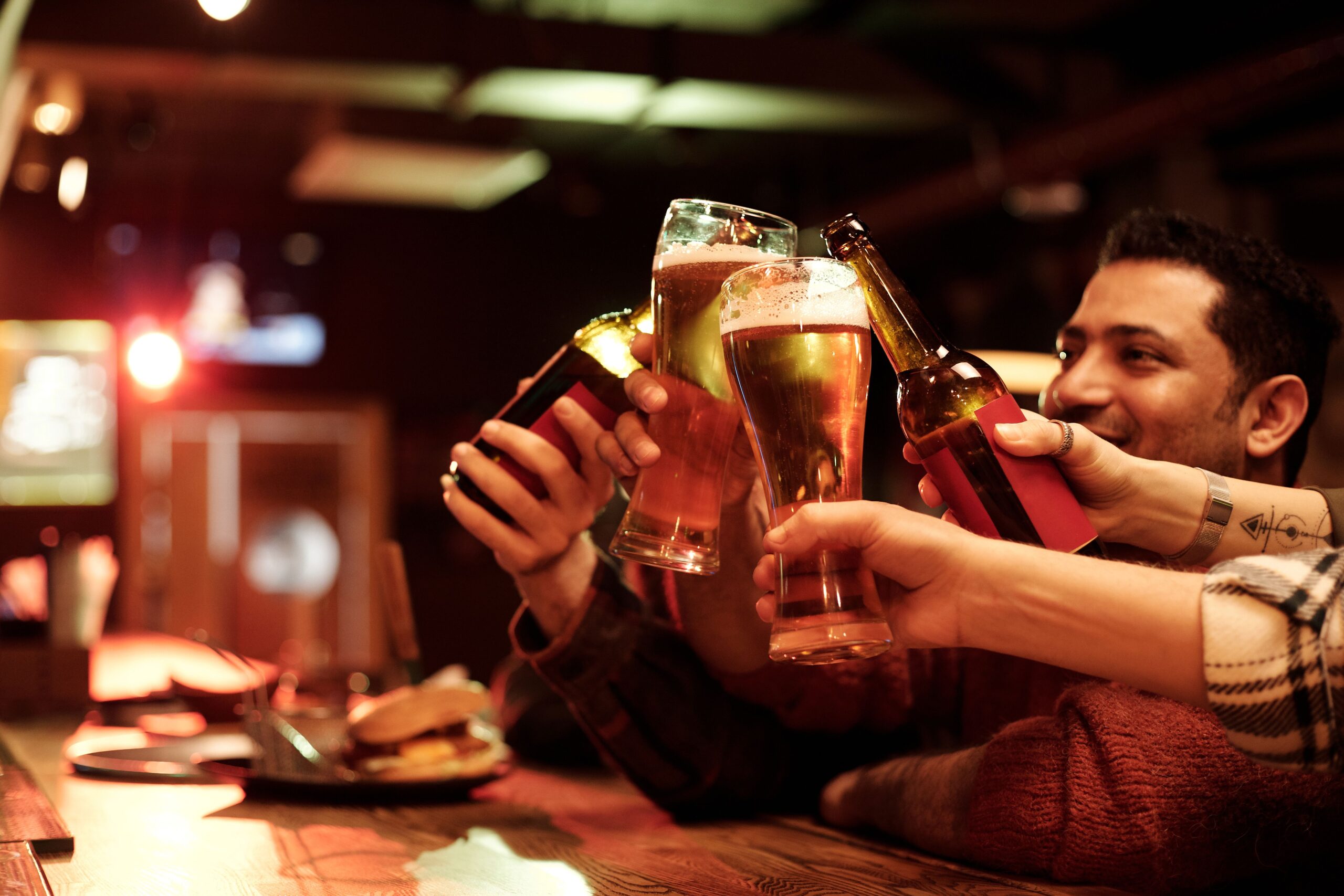
“World Cup years are strange, very unpredictable, and we’re not quite sure why,” says Juanmi Ferrer, president of Restauración Mallorca-CAEB and owner of Bar Ginger in Platja de Palma, who explains that so far “it hasn’t been at all rewarding for the hospitality sector.” In this regard, he points out that soccer-fan customers tend to concentrate mainly in venues with a very specific profile, which causes revenue to fluctuate wildly. “We’re seeing that those who can show TV games on their patios are doing well: venues that, in general, are very well-equipped for soccer.” However, “there are moments during a game when you see restaurants completely empty.”
Ferrer’s conclusion is that the benefits of the World Cup will be concentrated in certain types of businesses. “Neighborhood bars and those in tourist areas that meet these criteria benefit from the influx of people who come in for a coffee or a beer under the pretext of the game, but as for the restaurant sector in the strictest sense of the word—the one where you sit down to dinner at a set table with a tablecloth—this is not favored.“ And this, he points out, is despite the fact that the time slot is often favorable, since “after six, people can go out to dinner,” especially in tourist areas.
He also points out that Spain’s next match is next Saturday at 2 a.m., a time slot that “will be difficult to make the most of.” In general, Ferrer concludes, “top-flight soccer and high-end cuisine don’t go hand in hand.” However, as the competition progresses, the situation could change.
State-level forecasts
Industry forecasts point to a 25% to 30% increase in sales on days when the Spanish national team plays, according to data from Hostelería de España. This could translate into more than 130 million euros in additional revenue generated nationwide if La Roja reaches the tournament final.
César Amable, president of PIMEM-Restauración and owner of Los Platos de Soto in Palma, echoes the sentiments of his counterpart at the CAEB. “We are seeing differences between the coastal areas of Mallorca like Calvià and Alcúdia, which normally already have bars specializing in showing sports broadcasts.” Otherwise, business owners in the sector are still taking a wait-and-see approach, he explains, hoping that as the tournament progresses, this will lead to higher consumption figures. Clearly, the success of certain national teams and their longevity in the tournament will play a key role: Spain, of course, but also Germany and England, the islands’ largest first and second source markets, respectively.
“In general, it’s becoming increasingly clear that we are still in the early stages and that in establishments with a more gastronomic focus, customer traffic is lower: people who go out to eat will continue to go out to eat,” says Amable, stressing that the “World Cup effect” has not yet been felt in the sector. From now on, “when we coincide with the most important matches and the most favorable start times, it’s very possible that we’ll start to see a greater impact.”
In fact, the hospitality sector has been complaining for the last two seasons that the figures have not lived up to initial expectations. The general approach this year has been to keep prices stable so as not to discourage visitors on increasingly tight budgets: the rising cost of flights and accommodation has left less and less margin to spend on ancillary services, from restaurants and shops to leisure activities.


