







On Wednesday, Meliá became the latest hotel chain to announce the suspension of its operations in Cuba following the U.S. government’s ultimatum to foreign companies operating on the island in partnership with the state-owned military conglomerate Gaesa. The chain led by Gabriel Escarrer has announced that it is restructuring its operations effective immediately “after analyzing the risks and evaluating the current circumstances.”
The decision comes after it was revealed that another Majorcan chain with a strong presence on the Caribbean island, Iberostar, was closing most of its hotels out of fear of potential sanctions from the Trump administration. In the case of Meliá, it is reported that the impact of this decision “is limited,” since many of the hotels it is ceasing to operate were already closed.
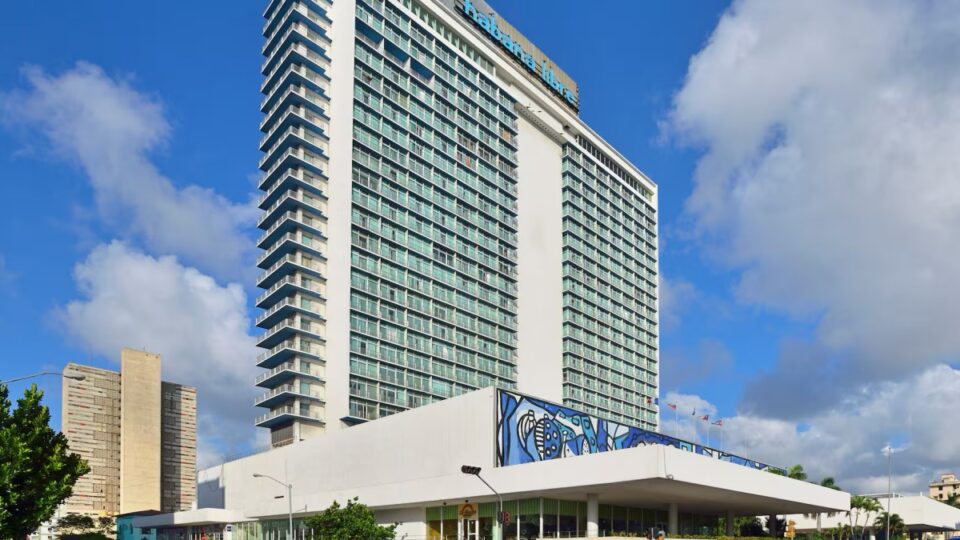
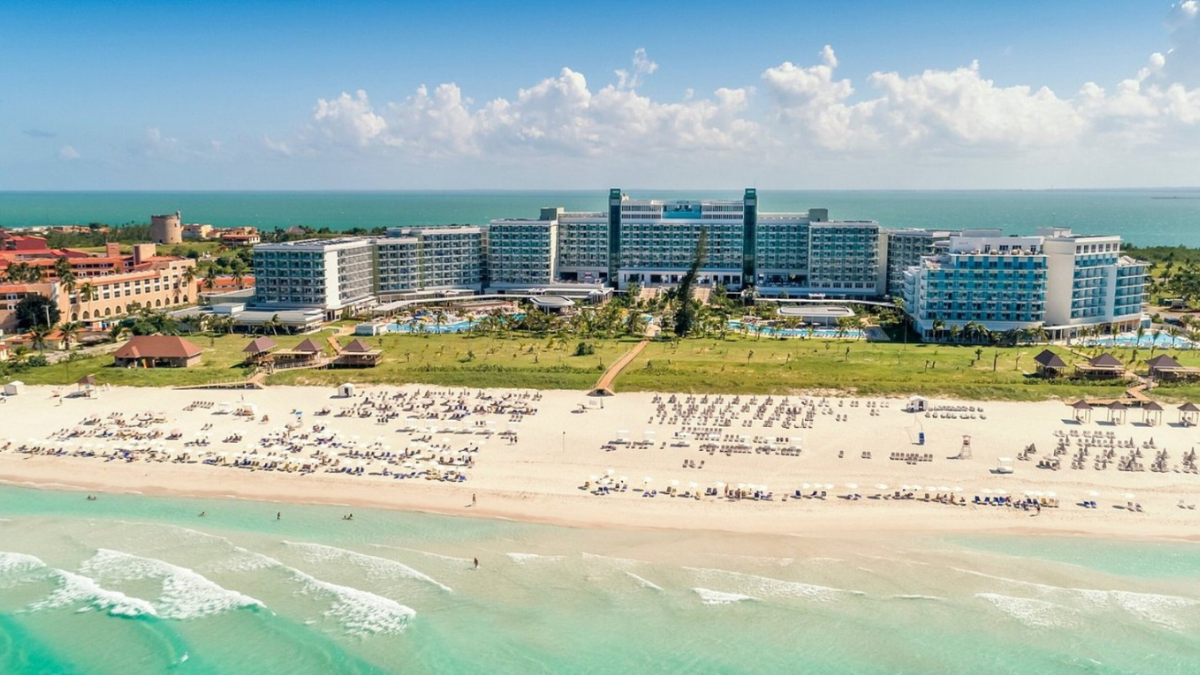
Meliá Hotels International states that “in light of the events and circumstances unfolding within the geopolitical, social, legal, and economic context of the Republic of Cuba,” it has decided to “immediately terminate” the provision of management and marketing services, as well as the licensing of its hotel brands, at some fifteen properties. These are Gran Hotel Bristol Habana Vieja Member of The Meliá Collection, Innside Catedral Habana, Meliá Buena Vista, Meliá Cayo Santa María, Meliá Jardines del Rey, Meliá Las Dunas, Meliá Península Varadero, Paradisus Los Cayos, Paradisus Princesa Mar, Paradisus Río de Oro, Paradisus Varadero, Sol Caribe Beach, Sol Cayo Santa María, Sol Río de Luna, and Mares y Sol Varadero Beach.
The company notes that it already informed the hotel owners in late May and that the decision was made “out of a deep sense of corporate responsibility” and as a result of “a combination of unforeseen circumstances beyond Meliá’s control.” All these circumstances, resulting from pressure from the U.S., it states, “have significantly impacted the operations, legality, and security of service provision for these hotels.”
The chain is implementing a meticulous plan for the “orderly divestiture” of these hotels, with specific strategies tailored to the needs of owners, suppliers, and guests.
The week began with news that Iberostar had ceased operations—albeit without an official statement from Miguel Fluxà’s company—which effectively meant the divestiture of a dozen hotels it had been operating. Other Mallorcan brands such as Barceló, Blau, and Valentin, with a smaller presence than Meliá or Iberostar (the former managed 35 properties, while the latter had about half that number, 18), have followed suit.
In the case of Barceló, the company operated two hotels: the Occidental Arenas Blancas, which has already ceased operations, and the Sol y Mar, which remains open. The chain states that it is closely monitoring the evolving geopolitical situation and adapting to the circumstances as they arise. In any case, no decision has yet been made regarding a total and definitive withdrawal from operations on the island.
Valentin and Blau find themselves in a similar situation, with three properties managed by each of the two chains. In the case of Blau, all three have been closed for months (since March, to be exact), although this is due to the halt in tourism rather than the threat of U.S. sanctions. The chain has no connection to Gaesa, and the hotels it manages are owned by Gran Caribe and Cubanacán, which are affiliated with the Cuban Ministry of Tourism (MINTUR).
Although the flow of tourists has, unsurprisingly, plummeted, the fact is that there have still been enough arrivals to justify keeping part of the hotel infrastructure open. Connectivity has been maintained despite the withdrawal of Canadian and Russian airlines—Cuba’s two main markets at this time of year—and with special refueling logistics for the remaining airlines that have continued to operate. This is the case for Iberia, Air Europa, and World2Fly, which have been refueling their aircraft at nearby airports such as Santo Domingo (Dominican Republic) due to the fuel shortage in Cuba. World2Fly (owned by Iberostar) suspended its route two weeks ago, and Iberia has followed suit, leaving Air Europa as the only carrier still operating that connection.