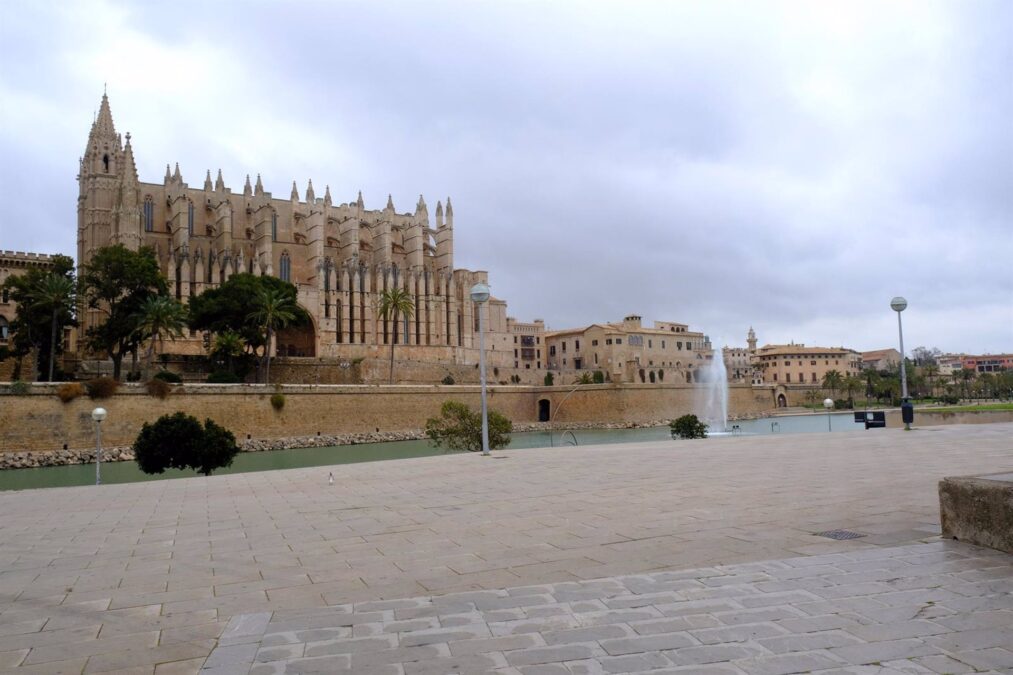







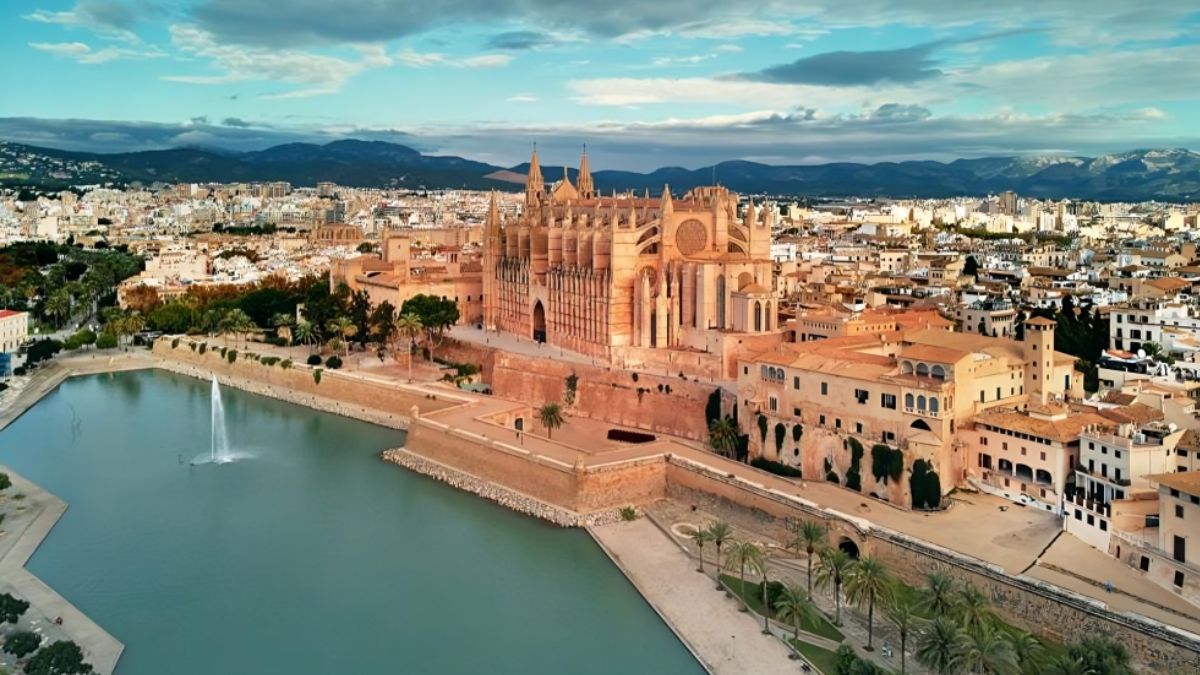
Palma de Mallorca is a city where the past hasn’t faded away; on the contrary, it lives on in its streets. With its city walls, lighthouses, legends, and traditions, the Balearic capital preserves a tapestry of stories that help us understand its identity.
On this tour, we’ll uncover five secrets that still live on in the city—from defensive structures and urban landmarks to fantastical tales and sacred relics. Each one reveals a different side of Palma, where history, legend, and everyday life intertwine to form a single reality: the city of Palma de Mallorca.
Renaissance City Walls of Palma
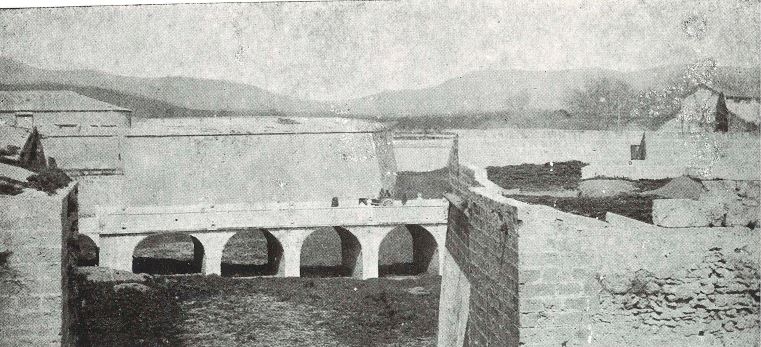
Palma’s Renaissance walls, constructed beginning in 1551 during the 16th century, form part of the city’s fifth walled enclosure and represent one of its greatest works of military defense. Built to protect Palma from Turkish attacks in the Mediterranean, especially following the fall of Constantinople, they featured sloping walls and twelve bastions distributed around the city’s perimeter. Notable features include the bastions of Sant Pere and El Príncep, and their construction unfolded between the 16th and 18th centuries, adapting to the new defensive needs of the time.
For centuries, the city walls shaped the city’s growth, as construction outside them was prohibited, leading to overcrowding and health issues within the city. Finally, in 1902, King Alfonso XIII authorized their demolition as part of the Calvet Plan, giving way to modern Palma—though a reminder of its past remains. Specifically, the section located in the maritime district. Today, remnants of the walls continue to be uncovered during excavations and urban construction projects, such as the old Bastió de Santa Margalida, and some sections can be explored.
The Bench for the Lazy
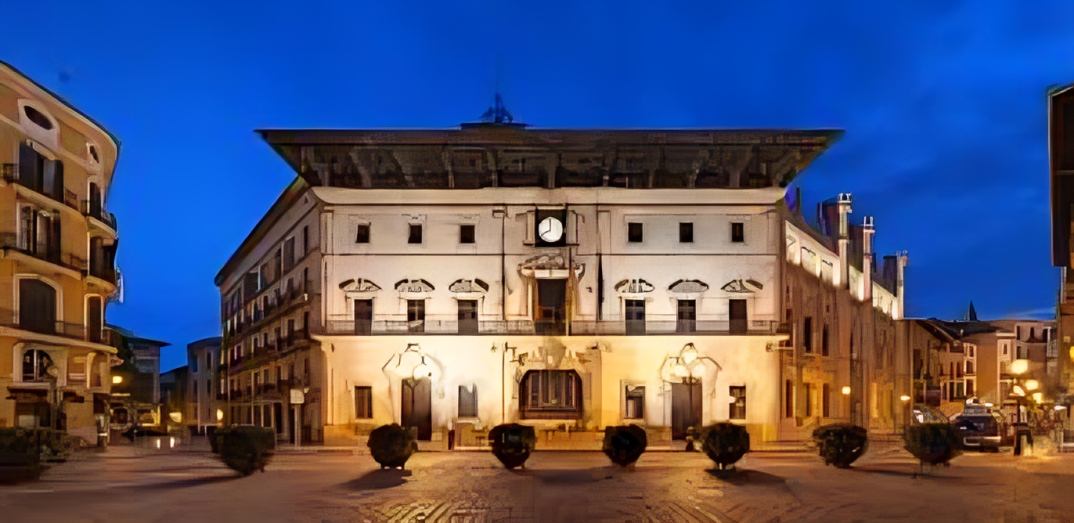
Cort Square is known for being home to the town hall, whose façade sparks strong reactions. However, hidden from plain sight is an element steeped in history. It is called the Banc dels Vagos, or “sinofós” in Mallorcan, and it is the large stone bench located in front of the town hall—a spot that has always invited people to stop, sit down, and watch the city come to life.
This bench owes its name to the idlers of the 19th century, particularly wealthy young people who spent their time there making excuses like “if it weren’t for…”. Over time, the nickname has stuck, and today it is used ironically, keeping alive a small folk tradition born of those who, sitting pensively, did nothing but rest and watch life go by.
The third oldest lighthouse in the world
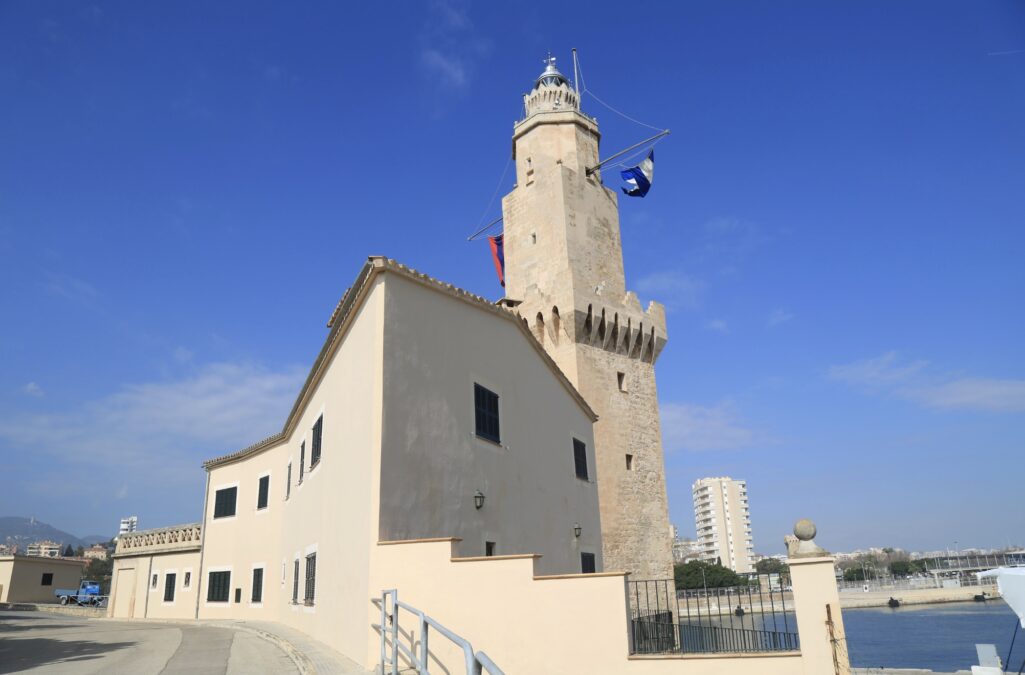
The Portopí Lighthouse is best known for two reasons: it is the second oldest in Spain and the third oldest in the world, surpassed only by the Tower of Hercules and the Lighthouse of Genoa. It is also known as one of the most iconic landmarks in the Palma landscape.
Built in 1300, it has witnessed a rich maritime history from its height of 41 meters—from landings and battles to escape attempts and countless other stories that have been lost to the mists of time. Today, it remains in operation and houses a museum that chronicles the history of maritime navigation aids, as well as their technological evolution.
(Photo: farsdebalears.com)
The Mummy of the Sewer Dragon
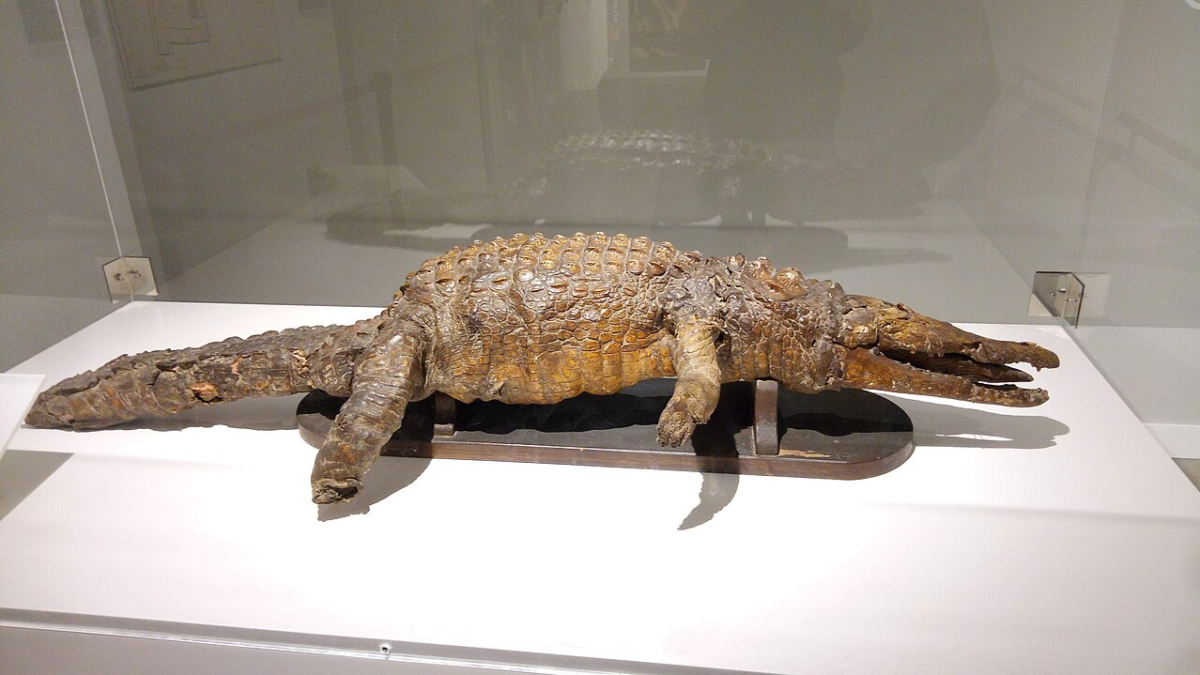
The legend of Drac de na Coca tells that, in the 17th century, a fearsome creature lived in the sewers of Palma and would emerge at night near the city walls—in what is now the Parc de la Mar area—spreading fear among the residents and even causing children to disappear. According to urban legend, the brave knight Bartomeu Coch managed to track down the monster, and in addition to giving it a mythological form—that of a dragon—he defeated it in battle to protect his beloved, becoming a local hero.
Over time, it was discovered that the supposed dragon was actually a tropical crocodile that had likely arrived on the island by ship, but whose presence fueled the imagination and popular fear. Today, this lifelike “mummy” is preserved at the Museu d’Art Sacre de Mallorca, and with it, the myth of the Drac de na Coca lives on in the city’s culture—only this time, it doesn’t dwell in the sewers, but rather through its depictions in sculptures, festivals, and traditions.
The relic of Saint Sebastian in the Cathedral
Due to its status as a port city and its strategic location, Palma de Mallorca was historically a highly coveted place, but also particularly vulnerable to epidemics such as the Black Death in the Middle Ages. In the face of these calamities, tradition attributes the eradication of the disease to the miraculous intervention of Saint Sebastian, which is why he was named the city’s patron saint.
According to Christian tradition, Saint Sebastian was a Roman martyr who was killed by arrows on the emperor’s orders, and his body was buried in the catacombs along the Via Appia. For more than 500 years, the Cathedral of Santa María in Palma de Mallorca has preserved one of his relics—a bone from his arm—kept in a 16th-century silver and wood reliquary of great artistic value. This reliquary, with an octagonal base and richly decorated with motifs typical of Mallorcan silverwork, takes center stage during the patron saint festivities.