






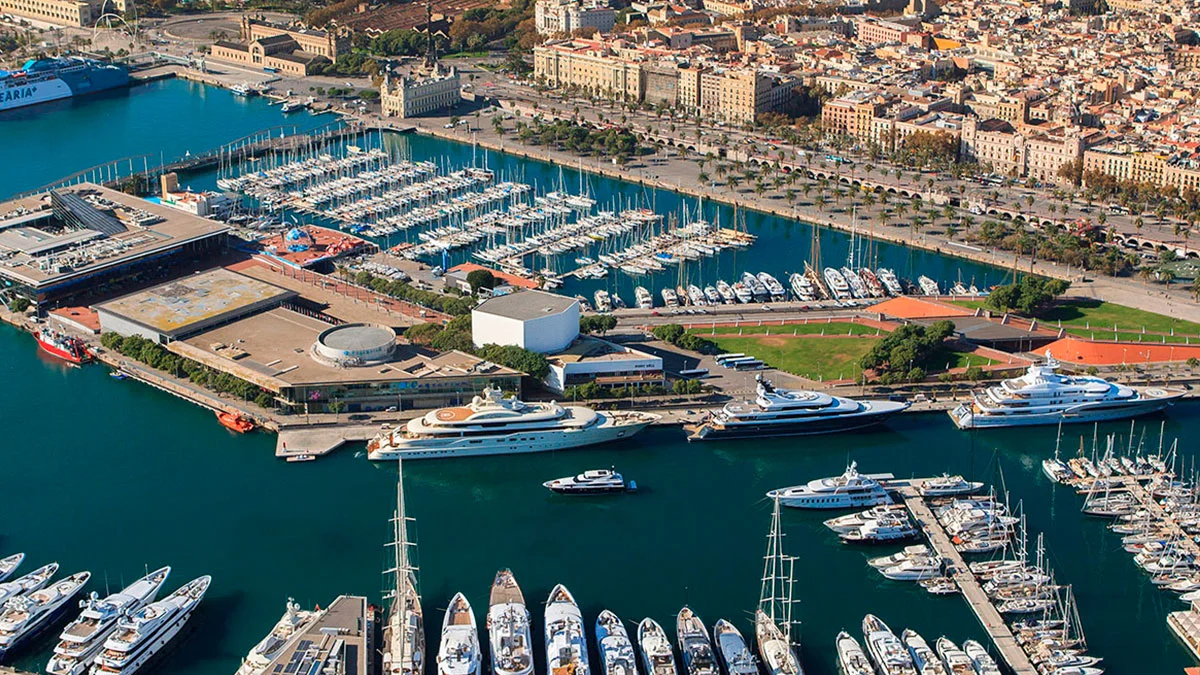
Spain is a maritime power, and the figures confirm this. Sectors linked to the sea generate 41,909 million euros in direct gross value added (GVA)—nearly 15% more than in the previous edition of the Maritime Sector Agenda—and provide direct employment to nearly 981,000 people. With these figures on the table, the Spanish Maritime Cluster (CME) is calling on the next government to adopt a Spanish Blue Economy Strategy that coordinates maritime-related policies and establishes a common roadmap for the entire sector. The CME brings together industries, services, and activities in the maritime sector. Operating at the national level, it unites more than 150 entities encompassing 3,000 companies, associations, institutions, and academic or research organizations, and is part of the European Network of Maritime Clusters (ENMC).
The petition is part of the Manifesto for the Spanish Blue Economy, a set of ten commitments addressed to political parties so that the next legislature will recognize the strategic nature of maritime activity and make the Blue Economy a national policy. Its president, Javier Garat, sums it up this way: “Spain is a maritime nation.” He adds: “We want that reality to be reflected in the priorities of the next legislative session.”
Ten Commitments for a National Policy
Among other measures, the Manifesto calls for recognizing maritime activity as a strategic sector, approving the Spanish Blue Economy Strategy, and creating a National Blue Economy Investment Plan. It also proposes simplifying regulations and reducing bureaucracy (without compromising environmental and safety standards), promoting employment and “blue” talent, and driving innovation, digitalization, and the energy transition.
The text also looks to the future with the development of new marine-related industries, such as marine renewable energy, blue biotechnology, and underwater robotics. To move these forward, the CME advocates for a national vision, shared governance, and stable public-private partnerships, with greater coordination among ministries with maritime responsibilities under the oversight of a vice presidency for economic affairs.
A More Competitive Fleet
The fleet has its own chapter. The sector proposes a Fleet Competitiveness Plan, the modernization of the Special Registry of Ships and Shipping Companies, and the creation of a specific registry for the offshore and deep-sea fishing fleet, in addition to adapting the administrative and labor frameworks to the specific characteristics of maritime activity. The merchant fleet is considered a strategic asset for the economy, foreign trade, and the country’s autonomy.
The Manifesto also calls for strengthening maritime and food security and sovereignty, protecting critical infrastructure such as ports and undersea cables, and bolstering national capabilities related to trade routes and logistics chains.
Tourism, the major driving force
Maritime and coastal tourism is the activity with the greatest economic impact among the established sectors considered by the European Commission. In 2023, it generated a direct GVA of 28,373 million euros and supported 708,836 jobs, representing increases of 21.8% and 8.5%, respectively, compared to the previous data from the Agenda.
Living marine resources, which include fisheries and aquaculture, contributed 6,917 million euros in direct GVA and 189,796 jobs, with a 4% increase in value added.
Shipyards, shipping companies, and ports
Shipbuilding is perhaps the biggest surprise in the report. New contracts grew by 194.5% and reached 150,835 metric tons of compensated gross tonnage (CGT), compared to 51,214 in the previous period. The order backlog increased by 7.6%. Overall, shipbuilding and ship repair recorded a direct GVA of 1,475 million euros and 27,343 jobs, with increases of 9% and 1.6%, respectively.
Maritime transport contributed 1,203 million euros in direct GVA and 16,316 jobs (up 3.8% and 2.8%, respectively), while port activities accounted for 3,459 million euros and 33,185 jobs. Ports are key to logistics, supply chains, and foreign trade, and they connect Spain to international supply chains.
Activity indicators are also on the rise. Freight traffic grew by 1.7%, reaching approximately 357 million metric tons; regular shipping line connectivity increased by 3.2%; maritime passenger traffic rose by 3.9%; and cruise passengers increased by 6.7%. The picture is rounded out by non-living marine resources, which, while less significant, offer opportunities linked to knowledge, innovation, and new industrial activities.

