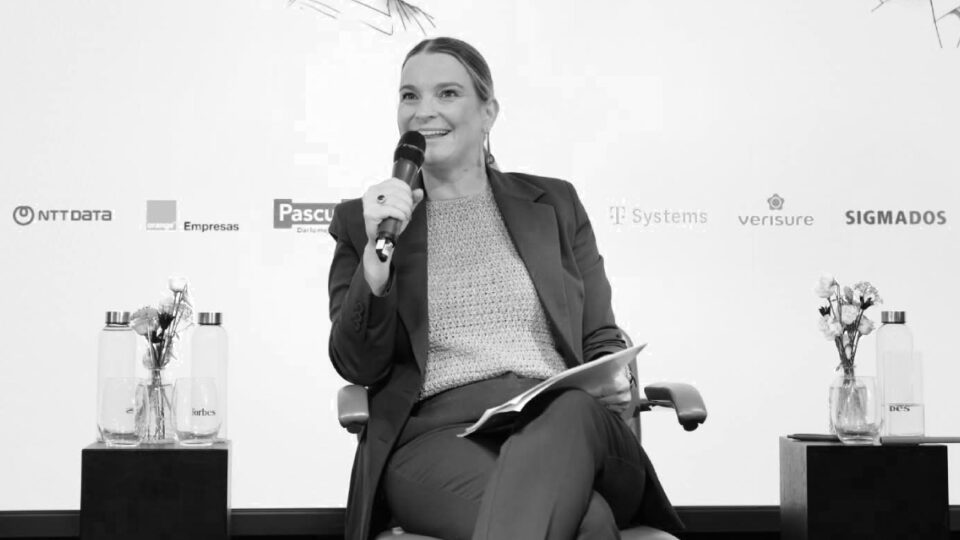







“I believe the best way to safeguard the tourism sector, its sustainability, and its future is to talk about limits and manage those limits.” With these words, Marga Prohens laid out her vision for how the islands’ tourism success should be managed. The President of the Government of the Balearic Islands took advantage of the fourth day of the Forbes 2026 Economic Summit to speak frankly about the debates currently taking place in the archipelago, including the one regarding the transformation of the economic growth model.
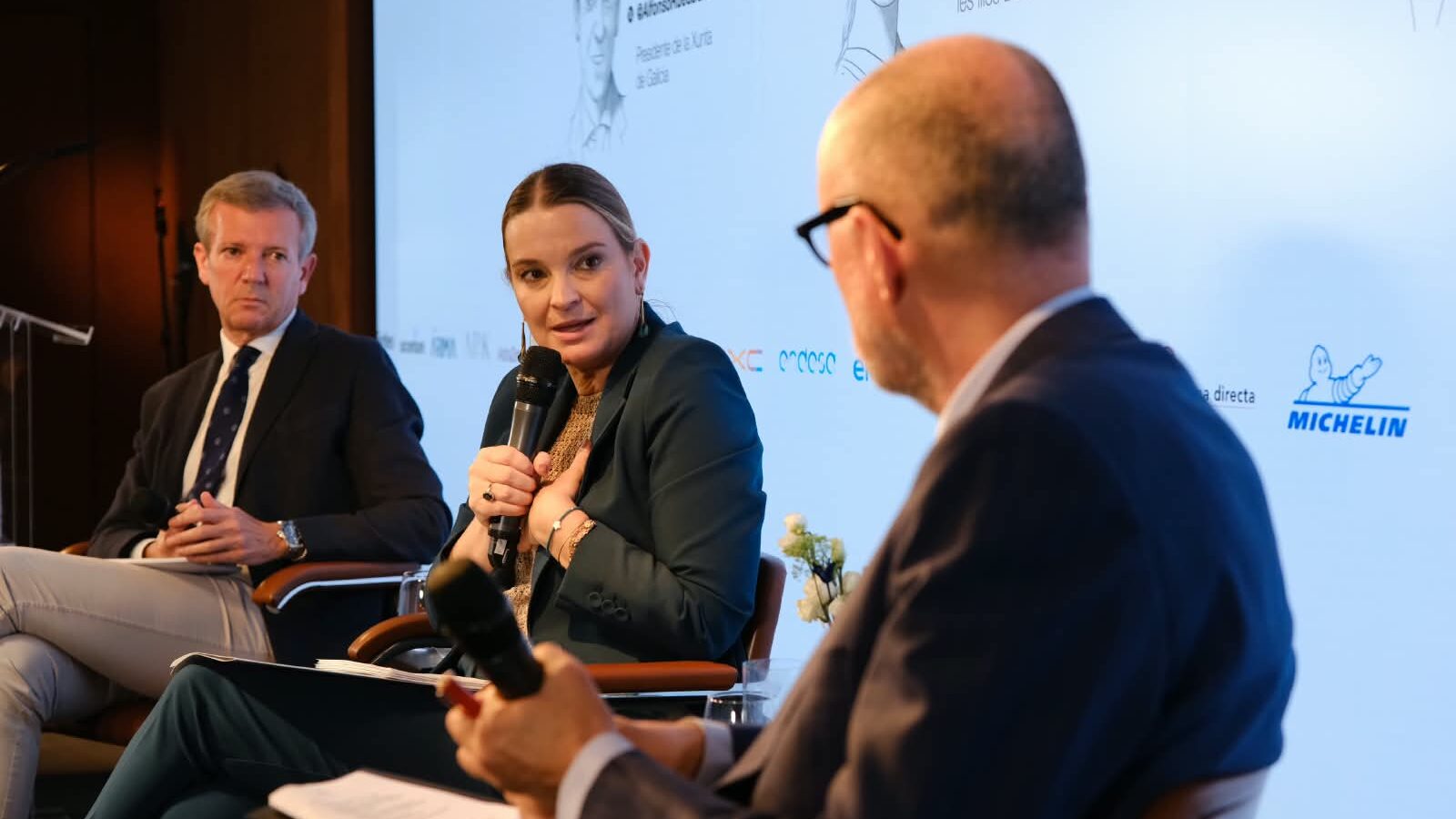
During her speech – in a roundtable discussion alongside Alfonso Rueda, president of the Xunta de Galicia, and chaired by SpainMedia president Andrés Rodríguez – the president of the Balearic Islands highlighted “the search for balance and the management of success” as the main challenges currently facing the region. And all this, she insisted, with the ultimate goal of translating economic growth into an improvement in the quality of life for citizens. “I always say that it is better to manage success, for all the difficulties and external factors it may entail, than to manage failure or an obsolete model: the Balearic model is not obsolete, but it has embarked on a process of transformation that cannot be postponed.”
In this regard, the president praised the current process of transforming the tourism growth model, which aims to move away from dependence on annual increases in visitors and instead focus on creating wealth in other areas. Growing in value rather than volume has been this government’s mantra since it came to power in 2023. “We have to change the growth model; we can’t grow the way we have for the last 25 years because tourism is changing, as are society and the challenges we face. We cannot continue to measure the success of tourist seasons by more tourists coming each year and surpassing the previous year’s record,” he stated.
In this sense, Prohens declared himself in favor of conserving and optimizing both the region’s own resources and the income generated by tourist visits, but not of degrowth, as advocated by the regional opposition and certain sectors of society. “I don’t believe in this rhetoric that claims degrowth is the solution to everything; I believe that degrowth would generate many more negative externalities and many more problems than managing growth effectively.”
In line with these reflections, Prohens defended the policies implemented by his administration during this parliamentary term, with the goal of curbing volume growth, especially since the creation, two and a half years ago, of the Pact for Sustainability. A commitment to ‘an economy that generates more value than volume, to measure success with other parameters, not just quantitative or numerical ones’. He highlighted the limits established on the growth of tourist accommodation capacity, which prevent the creation of new beds unless existing ones are removed from the registry. This mechanism also encourages the renewal of the accommodation supply, as the rooms that are retired are outdated and those that replace them are modern and of higher quality. However, he wanted to clarify: “We must not confuse quality tourism with luxury tourism, because we are a family-friendly tourist destination and we intend to remain so.”
Prohens highlighted the containment policy during the high season, which last July resulted in an interannual increase in arrivals of less than 1 percent, while per-tourist spending grew by 4 percent. This trend illustrates the shift from volume to value and the slowdown in the growth of the number of tourists during the summer. At the same time, “we are experiencing the best mid- and low-season figures in history, especially in Mallorca, where we have a ten-month tourist season.”
Furthermore, the president highlighted three strengths of the Balearic Islands that are among its most valuable contributions to the country as a whole: leadership, innovation in tourism, and cultural tradition. “I would like to highlight the leadership role we have always played as a community, both in the business world and in the public sector. Secondly, we have been, and continue to be, exporters of know-how, especially in the tourism sector, which is our economic engine.” Prohens took the opportunity, with the presence of Barceló Group President Simón Pedro Barceló, to use his family as an example of the long tradition of excellence in tourism in Mallorca and the Balearic Islands. Finally, he praised “the quality of those products from our industry and gastronomy that are made little by little, slowly, the way things are done on an island.”