








World Oceans Day is a global celebration and a call to action that takes place every year on June 8. Designed to raise public awareness of the crucial role played by the oceans, it highlights the impact of human actions and brings people together in support of the sustainable management of marine resources. The idea was originally proposed in 1992 by the International Centre for Ocean Development in Canada and the Ocean Institute of Canada at the Earth Summit in Rio de Janeiro. Today, World Oceans Day is officially observed by all UN member states, with organized events, activities, and celebrations in more than 180 countries around the world.
Australia
Journey Beyond, an Australian experiential travel company, offers cruises and classic train journeys across the country. Australia’s west and east coasts offer two distinctly different yet equally captivating coastal experiences. On the west coast, Sal Salis is nestled in the unspoiled wilderness of Cape Range National Park, a UNESCO World Heritage Site, where rugged red mountain ranges meet the turquoise waters of the Ningaloo Reef. This is a place defined by vast open spaces, minimal human footprint, and a deep connection with nature. It serves as a gateway to the dazzling gem that is Ningaloo Reef, recognized as the world’s largest fringing reef, stretching 250 km along the northwest coast. This pristine marine wonder is home to more than 450 species of marine life, including the famous whale sharks, as well as 250 diverse species of coral.
In contrast, the east coast is home to the world-famous Great Barrier Reef, a UNESCO World Heritage Site and the world’s largest coral reef system. Visible from outer space, it is recognized as the largest living structure on Earth. The region, centered around Hamilton Island and Airlie Beach, is a major draw for visitors, as it offers ideal access to this natural wonder. Reef Suites and Reef Sleep are located at Reef World on Hardy Reef, placing guests in the heart of this extraordinary marine environment. Unlike the west, the reef experience here unfolds on the open ocean, surrounded by endless ocean horizons and vibrant coral formations. It is a biodiversity hotspot that supports an extraordinary marine ecosystem with more than 1,500 species of fish.
West Coast – Sal Salis, Ningaloo Reef
“There’s no place quite like Sal Salis,” says Alicia Triggs, Executive General Manager of Sales and Partnerships at Journey Beyond. “It’s rare to find a place so in tune with and considerate of nature that, at the same time, ensures all your comforts are taken care of. Sustainability is a priority at Sal Salis, with its 16 eco-luxury safari tents designed to have minimal impact, just a few meters from the world’s largest fringing reef; it’s barefoot luxury just as nature intended. It’s where the ocean meets the Australian outback.”
East Coast – Reef Suites and Reef Sleep, Great Barrier Reef
“Cruise Whitsundays’ Reefworld, the award-winning pontoon permanently moored on the outer section of the Great Barrier Reef at Hardy Reef, offers truly unparalleled access to this extraordinary marine environment,” adds Triggs. “It is home to Australia’s first underwater accommodation, the award-winning Reef Suites, as well as the highly acclaimed Reef Sleep experience, where guests can spend the night on the pontoon under a blanket of stars.”
Together, these two coasts showcase the extraordinary diversity of Australia’s marine environments. On the west coast, Sal Salis offers a pure and deeply immersive connection with the land and sea, where luxury is defined by simplicity, seclusion, and the unspoiled beauty of Cape Range National Park. On the east coast, Reef Suites and Reef Sleep present the Great Barrier Reef in a truly unique way, elevating a world-renowned natural wonder through the rare privilege of spending the night at Reef World. Both experiences are profoundly special yet entirely distinct, inviting guests to choose between immersion in the wilderness and the exclusivity of an iconic reef.
Canary Islands, Spain
Tenerife, the largest of Spain’s Canary Islands, offers timely insights focused on sustainable marine tourism and ocean conservation, at a time when travelers are increasingly seeking meaningful and environmentally conscious travel experiences.
The southern coast of Tenerife is a key habitat for the conservation of wild cetaceans, particularly within the protected Teno-Rasca Special Area of Conservation. In these waters, travelers can observe up to 26 different species of cetaceans, including resident populations of short-finned pilot whales, bottlenose dolphins, and sperm whales that can be seen year-round. Travelers can also enjoy eco-certified whale and dolphin watching excursions in Los Gigantes and Costa Adeje, led by operators committed to strict standards of sustainability and wildlife protection through the Tenerife Cetacean Watching Sustainability Charter, a voluntary initiative that brings together responsible tourism companies dedicated to protecting marine life and its habitat.
Tenerife offers the perfect setting for a variety of activities that allow travelers to experience the beauty of the destination’s underwater landscapes. From catching perfect waves to windsurfing in El Médano, to year-round scuba diving at sites like La Catedral and kayaking in Los Gigantes, Tenerife is the ideal destination for travelers looking to enjoy the sea during their trip.
On this World Oceans Day, Tenerife stands out as a destination where marine adventure and environmental stewardship go hand in hand, offering travelers the opportunity to celebrate the ocean not merely as spectators, but as active participants in its protection through authentic, ethical, and conservation-focused marine experiences.
Beach House Resort Hilton Head, Hilton Head Island, South Carolina
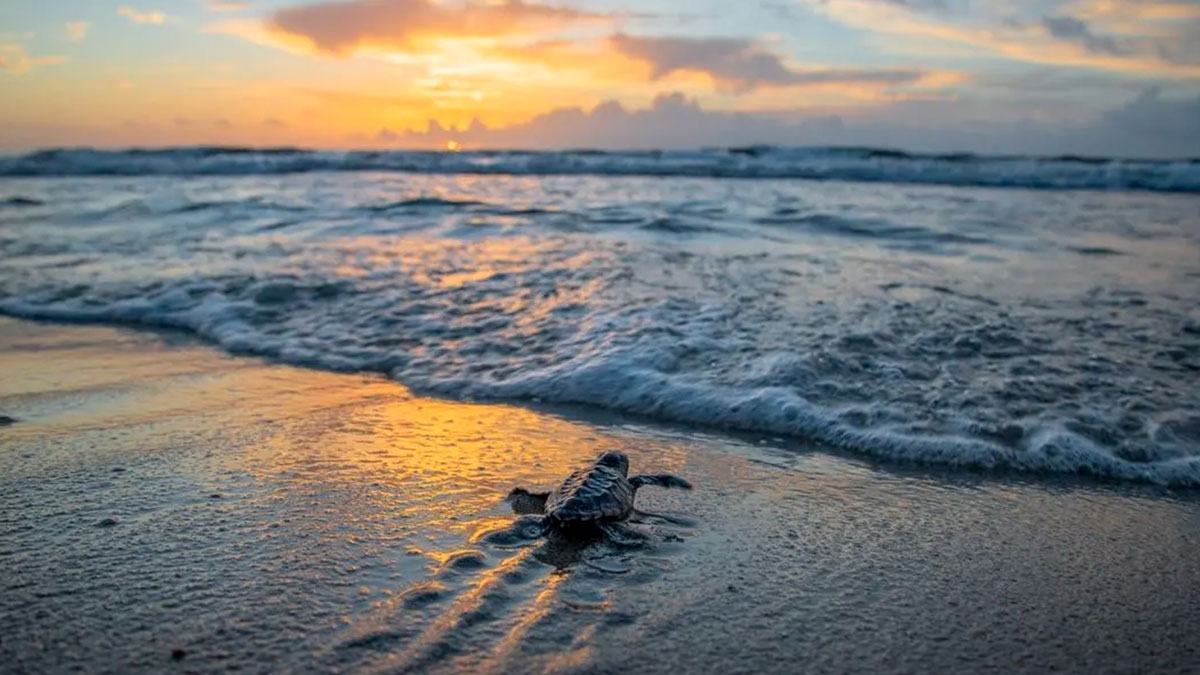
At the Beach House Resort Hilton Head, ocean conservation extends beyond the shoreline through an ongoing partnership with the Hilton Head Island Sea Turtle Patrol, which is dedicated to protecting one of the Lowcountry region’s most beloved marine species. Throughout the summer nesting season, guests are invited to participate in the resort’s weekly “Put the Beach to Bed” , helping to prepare the beach for sea turtle nesting by smoothing the sand and removing obstacles, thereby creating a more hospitable environment for hatchlings and nursing mothers. The resort also encourages guests to attend educational talks on sea turtles led by local conservation experts, which provide information on sea turtle behavior, nest protection efforts, and the critical role coastal communities play in preserving marine ecosystems for future generations.
Providence, Los Angeles, California
Chef and owner Michael Cimarusti has long resisted the trend-driven sustainability movement and has quietly redefined what ocean-focused cuisine can be. A lifelong fisherman, diver, and outdoor enthusiast, his connection to the sea extends far beyond the restaurant dining room, shaping both the menu at Providence in Los Angeles and his commitment to ocean conservation long before sustainable seafood became a common topic of conversation in the culinary world. Cimarusti built Providence around a simple philosophy: if chefs want to serve seafood to future generations, they must help protect the oceans that provide it. Since Providence serves only wild-caught, traceable seafood, Cimarusti remains an advocate for transparency, sustainable fishing practices, and ocean conservation through his longstanding work with the Monterey Bay Aquarium’s Seafood Watch program. Today, as conversations around climate change, biodiversity, and food sustainability grow increasingly urgent, Providence stands as proof that culinary excellence and environmental responsibility can coexist in a beautiful and delicious way.