








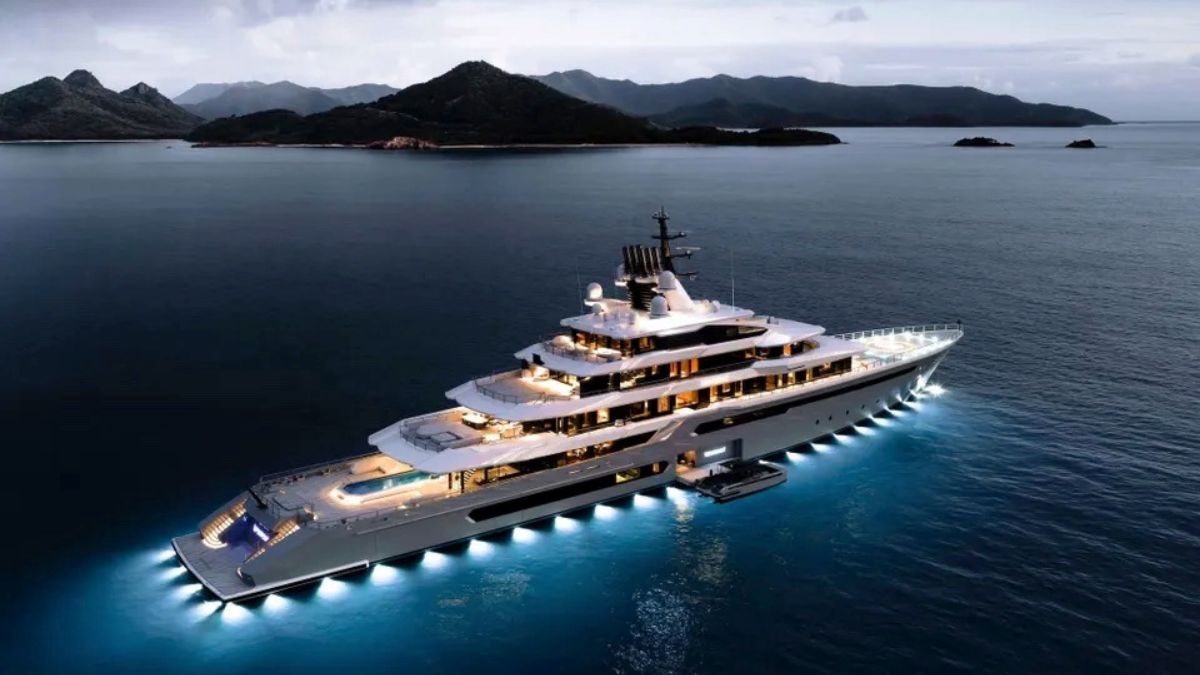
We’ve just gotten our first look inside one of the most radical and groundbreaking superyachts of the past 12 months. Leviathan, owned by video game mogul Gabe Newell, was built by the Dutch shipyard Oceanco (which also built Jeff Bezos’s and Arthur Blank’s yachts, among others) and delivered late last year.
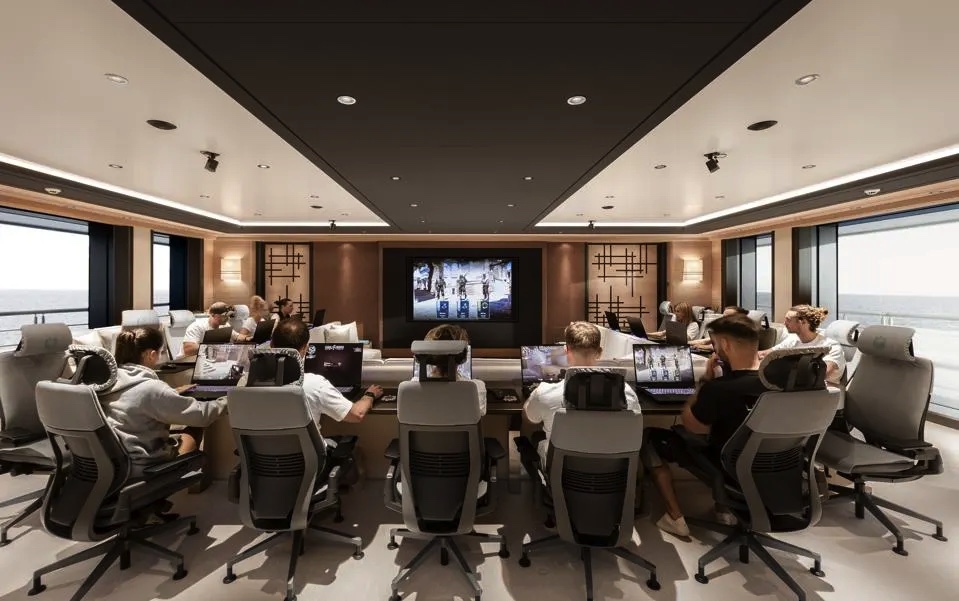
We knew from the start that this yacht would be different. It was designed with a focus on unpretentious functionality, crew camaraderie, and well-being, moving away from traditional luxury in favor of a more practical approach.
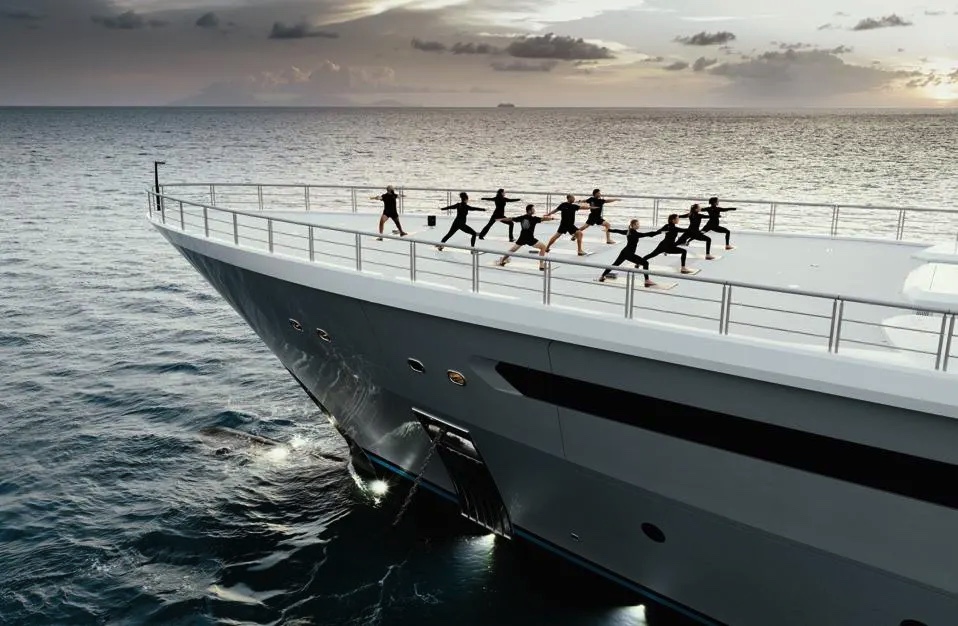
Building a sense of community among the crew was an essential part of the design. Photo: Oceanco
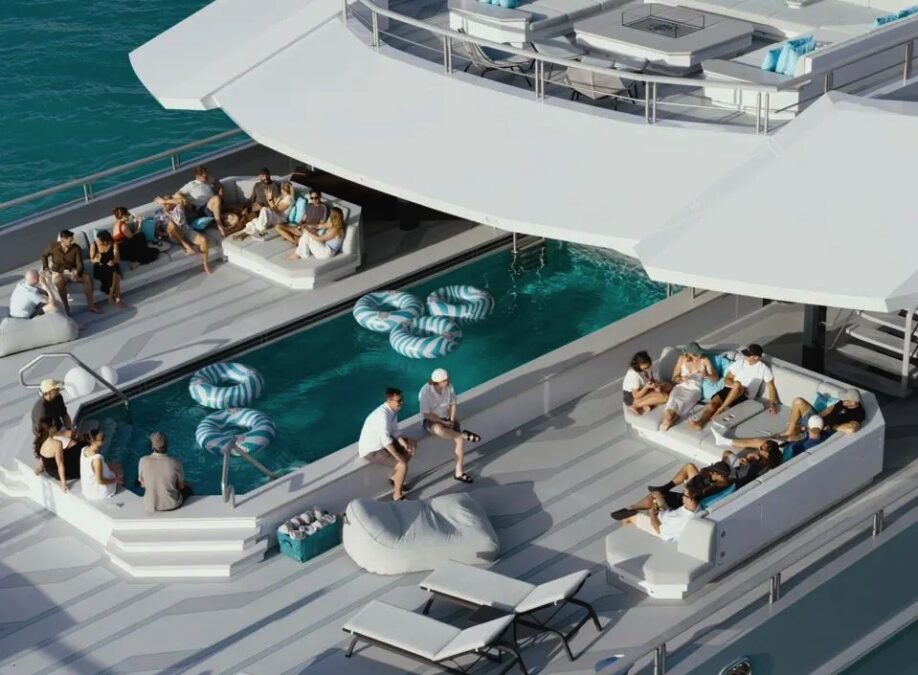
Originally commissioned around 2020, the 111-meter Leviathan was built for Gabe Newell, co-founder and CEO of the video game development company Valve (also known as GabeN). The relationship between the owner and the builder is clearly close, as Newell also acquired the shipyard last year.
Leviathan is the latest addition to its growing fleet of vessels, most of which are designed for research and exploration. It is the largest of the fleet, though not the first built by Oceanco: the company previously purchased the luxury yacht known as Tranquility and converted it into a sturdy support vessel named Draak.

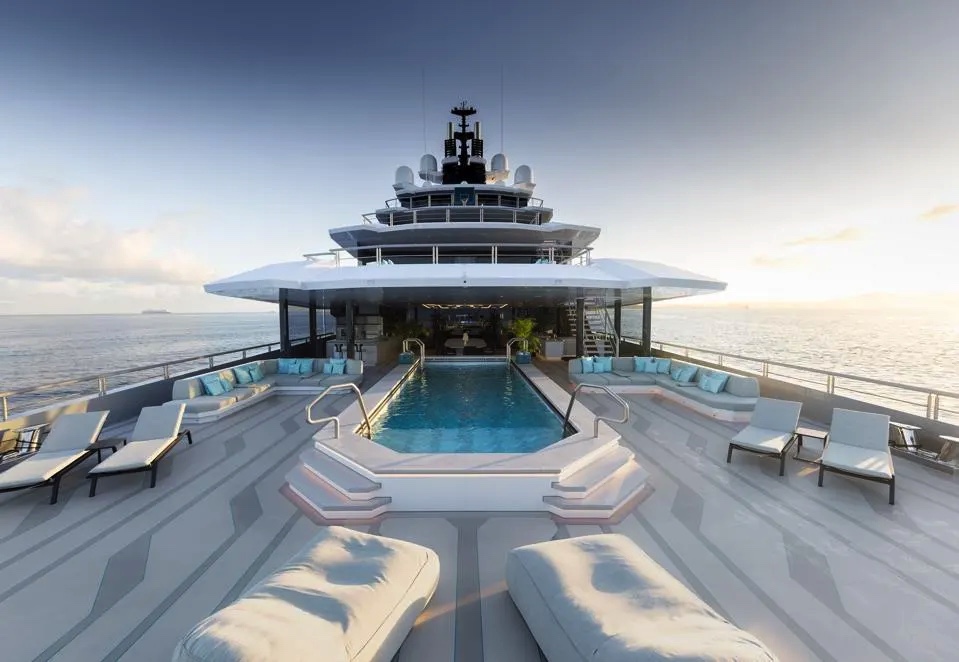
Although it may be accompanied by a support yacht, the Leviathan is itself a highly capable vessel, designed as a hybrid of a state-of-the-art private yacht, a scientific research platform, and a long-range operational base.
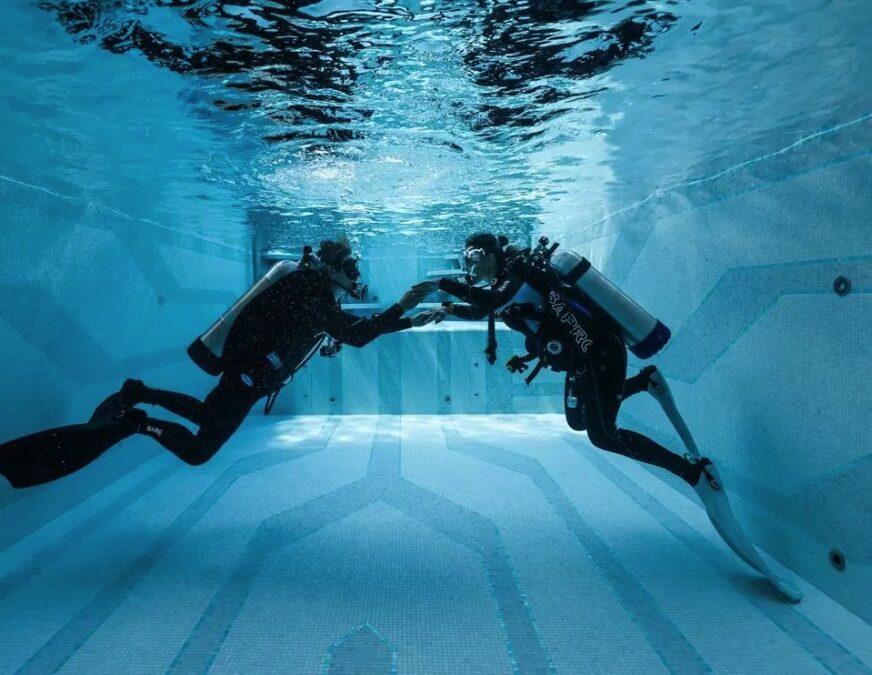
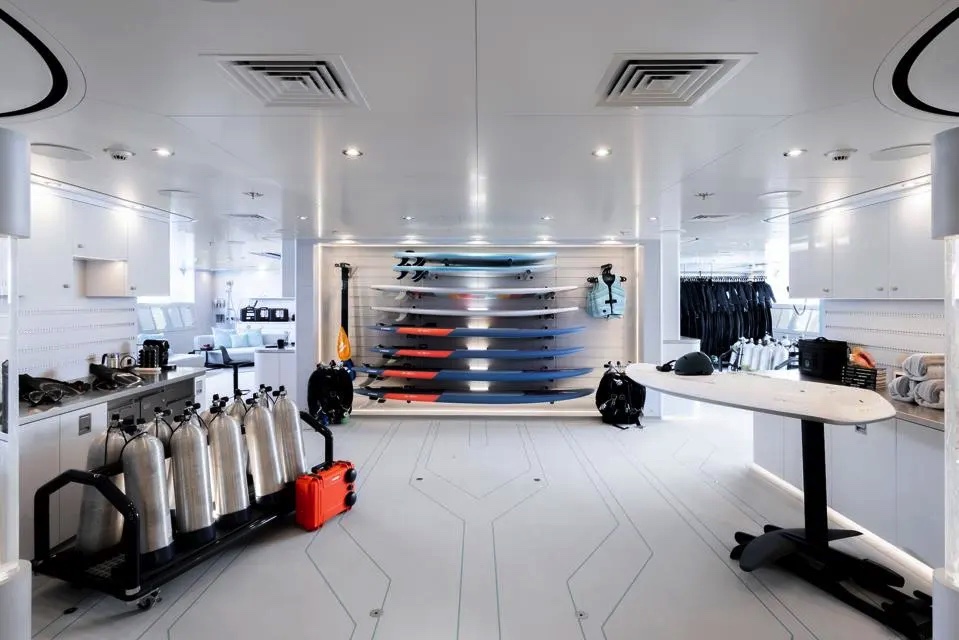
Rather than dedicating space to indulgence or pure leisure, the yacht features a fully equipped diving center, a laboratory, onboard medical facilities, and manufacturing capabilities through a 3D printing workshop.
This unconventional setup aligns with Newell’s marine research initiative, Inkfish, an organization focused on oceanographic exploration and scientific access. As such, the yacht serves not only as a private retreat but also as a mission-oriented platform capable of contributing to deep-sea research.
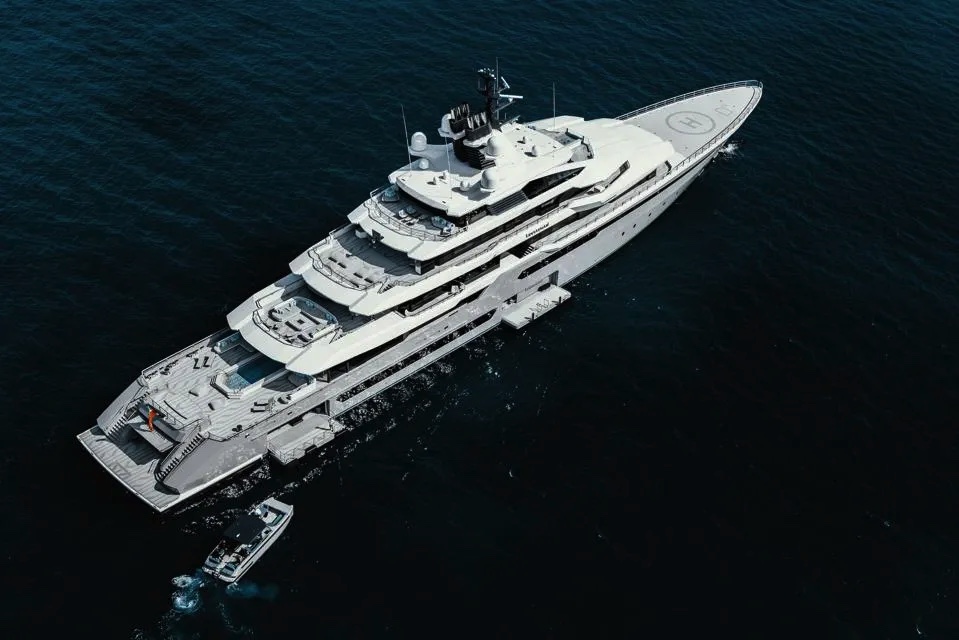
Leviathan also stands out for its high level of technical sophistication. Built on a diesel-electric platform backed by a powerful battery system, the yacht is designed to operate silently at night, improve fuel efficiency, and reduce mechanical wear.
This innovative propulsion system also made it possible to relocate the engine rooms, freeing up space traditionally occupied at the stern for guest accommodations.
The project is the result of close collaboration between Oceanco, Mark Berryman Design, Lateral Naval Architects, and MARIN, with the shared goal of achieving maximum quietness and comfort on board. Thanks to advanced stabilization systems and exhaustive testing of vibration, acoustics, and hull efficiency, Leviathan achieves levels of comfort more typical of aerospace engineering or luxury hospitality than of shipbuilding.
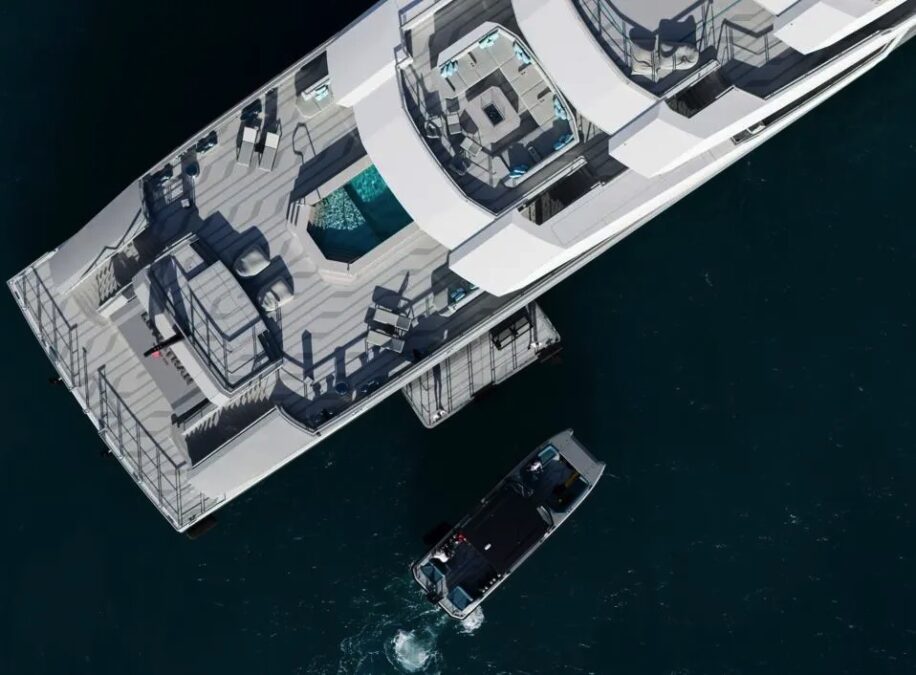
Equally noteworthy is the philosophy behind its construction. Newell’s direct involvement focused on ease of maintenance and long-term operability.
This translates into features such as a special exterior paint that reduces cleaning time, railings that require little polishing, and durable interior materials designed for real-world use.
And, of course, the lack of a teak deck—one of the most time-consuming and labor-intensive aspects of yacht maintenance.
“What makes Leviathan so unique is the way it came to life. From the very beginning, we knew that nothing would be done in the traditional way,” says Oceanco CEO Marcel Onkenhout. “We became part of the team alongside Gabe and everyone who would ultimately operate the yacht. This level of collaboration is what sets Leviathan apart from everything we’ve built before. We are incredibly proud of its development […] and can now say that it is the most comfortable yacht ever designed, built, and delivered by Oceanco.”
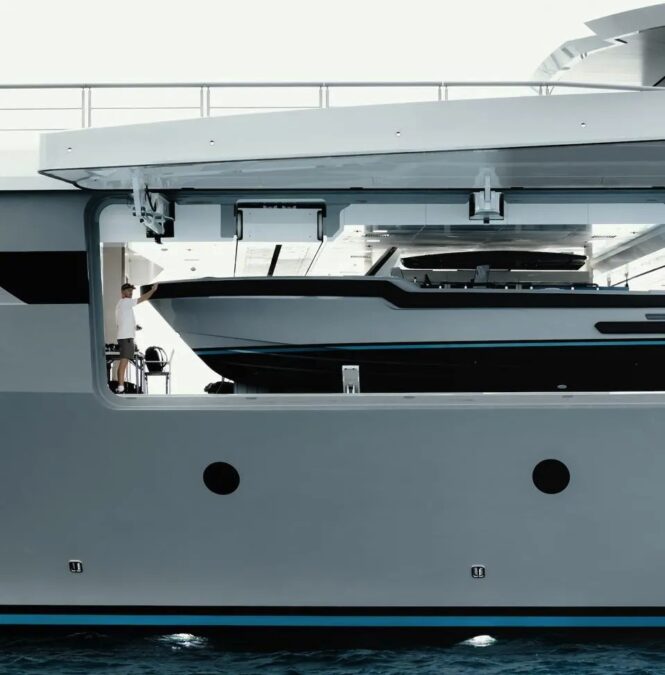
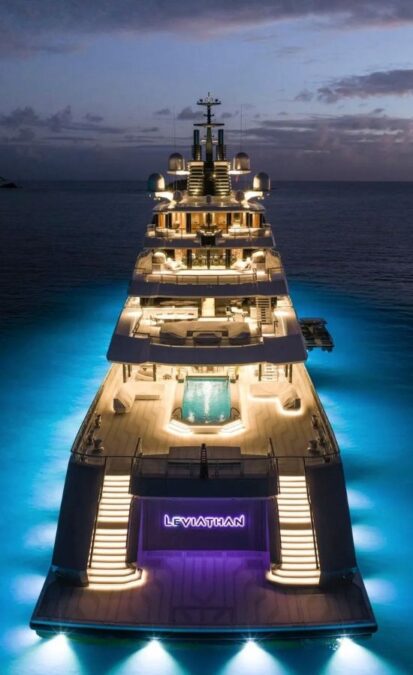
This could signal a broader trend among the world’s major yacht owners. As discussions about sustainability, exploration, and legacy evolve, yachts designed solely as symbols of consumerism may begin to fall by the wayside.
Although Leviathan remains unmistakably a superyacht, its radical approach could herald a new era in the industry.


