







Marina Ibiza is launching “La Pradera de Posidonia Marina Ibiza,” an ecological restoration initiative in Talamanca Bay that combines direct action, scientific rigor, and community involvement to reverse the loss of seagrass beds.
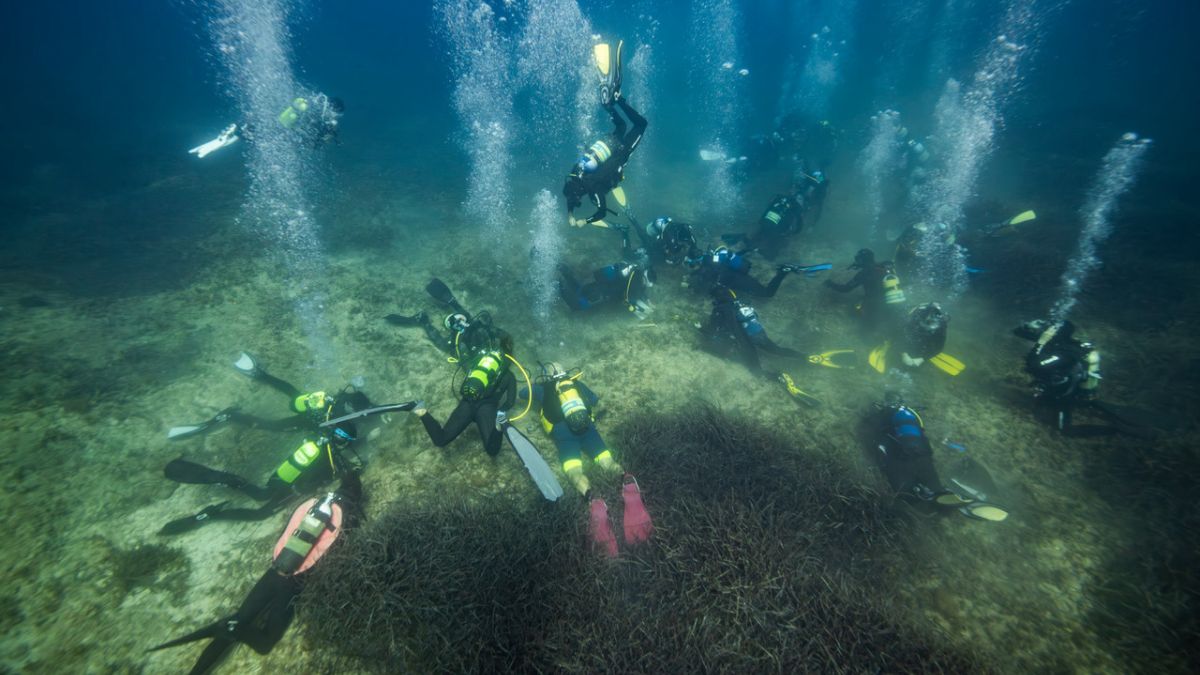
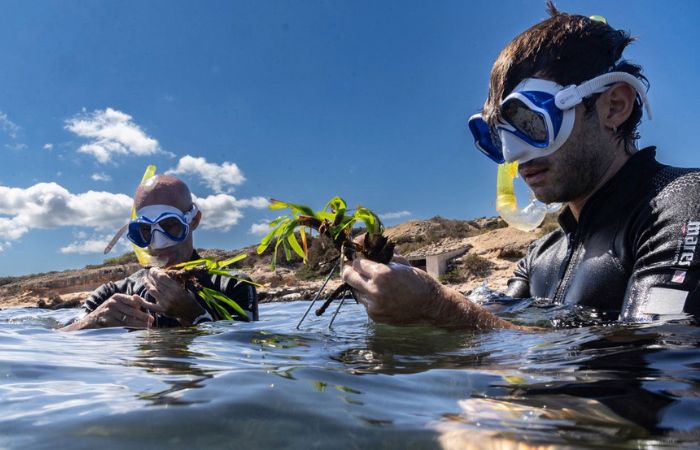
Marina Ibiza has launched “La Pradera de Posidonia Marina Ibiza,” a marine restoration project focused on restoring the seabed of Talamanca Bay. The initiative involves the initial planting of 1,500 Posidonia oceanica plants, a species that is key to the balance of the Mediterranean ecosystem.
The project is being carried out in collaboration with the Vellmarí Foundation, an organization specializing in marine conservation, which will provide technical support for the planting and monitoring efforts.
The strategic importance of Posidonia oceanica
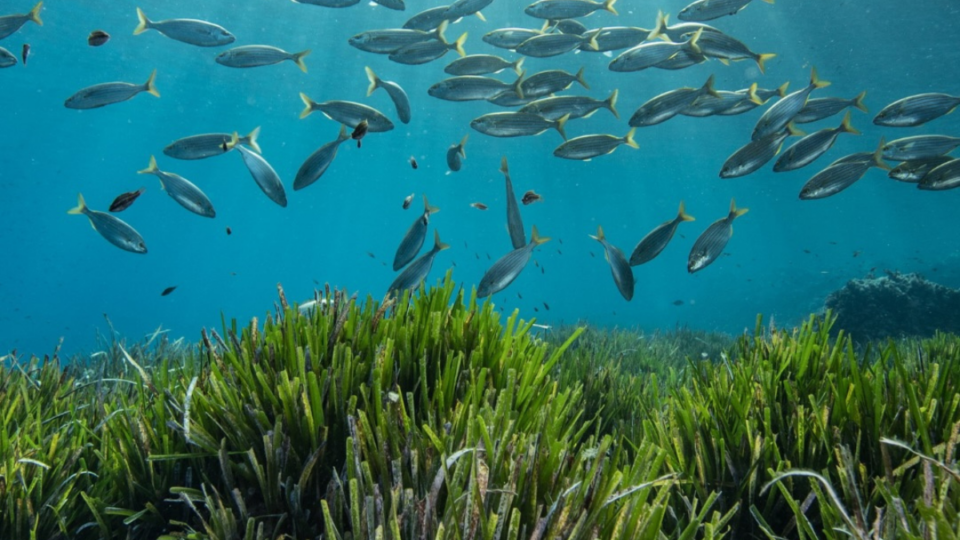
Posidonia oceanica plays a vital role in the health of the Mediterranean Sea. Its main functions include improving water quality, producing oxygen, and providing habitats for numerous marine species.
However, these seagrass beds have declined significantly in recent decades. In the case of Talamanca Bay, located just two kilometers from Dalt Vila, it is estimated that nearly 50% of its area has been lost, making this area one of the most vulnerable along the Balearic coastline.
A participatory model of environmental restoration
In addition to the initial planting, the project includes a participatory component that expands its scope. Marina Ibiza will invite customers, visitors, and the general public to actively contribute by purchasing Posidonia plants, thereby promoting the gradual growth of the seagrass meadow.
This approach makes the initiative a model of shared environmental responsibility, in which social engagement reinforces the ecological impact and promotes awareness of marine conservation.
The decline of Posidonia seagrass is a widespread phenomenon throughout the Mediterranean, where approximately 34% of these seagrass beds have been lost in recent decades. This decline poses a direct threat to biodiversity and the stability of coastal ecosystems.
Projects such as the one spearheaded by Marina Ibiza help reverse this trend at the local level, in line with global goals for the protection and restoration of marine habitats.
Scientific collaboration and long-term commitment
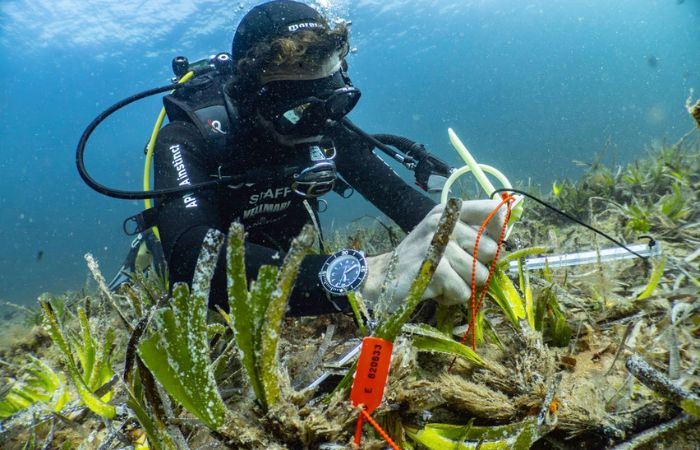
The initiative is supported by the Vellmarí Association, led by marine biologist Manu San Félix, a leading figure in marine conservation in Ibiza. His involvement ensures that scientific criteria are applied at every stage of the project.
“La Pradera de Posidonia Marina Ibiza” thus stands as a model of collaboration between private investment, technical expertise, and community involvement, with the goal of restoring, plant by plant, one of the Mediterranean’s most valuable ecosystems.