







This underwater treasure not only harbors a one-of-a-kind ecosystem, but it is also the cornerstone that ensures the health of the waters and the survival of the Balearic coast.
Although the idyllic image of fine sandy beaches and turquoise waters is the main attraction for millions of visitors to Mallorca, Menorca, Ibiza, and Formentera, the true driving force behind this postcard landscape lies beneath the surface.
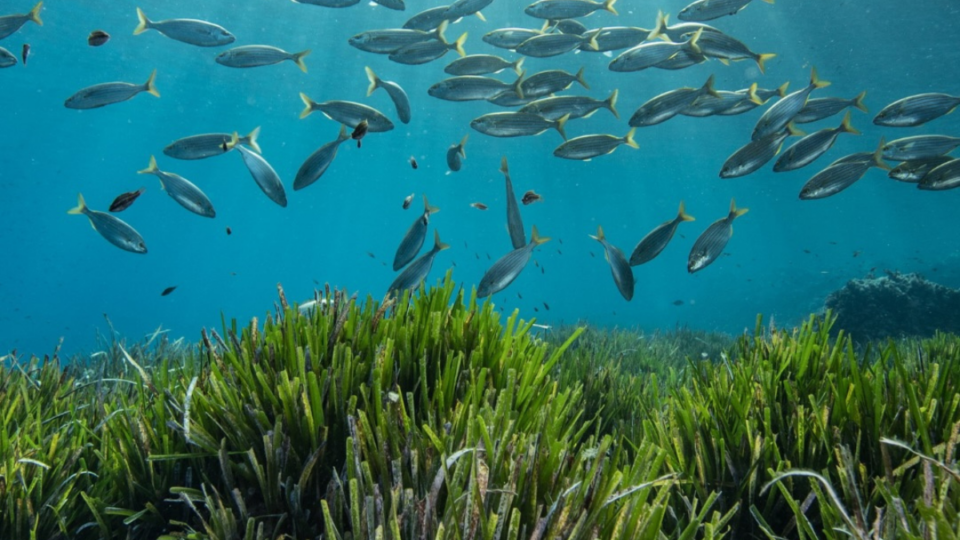
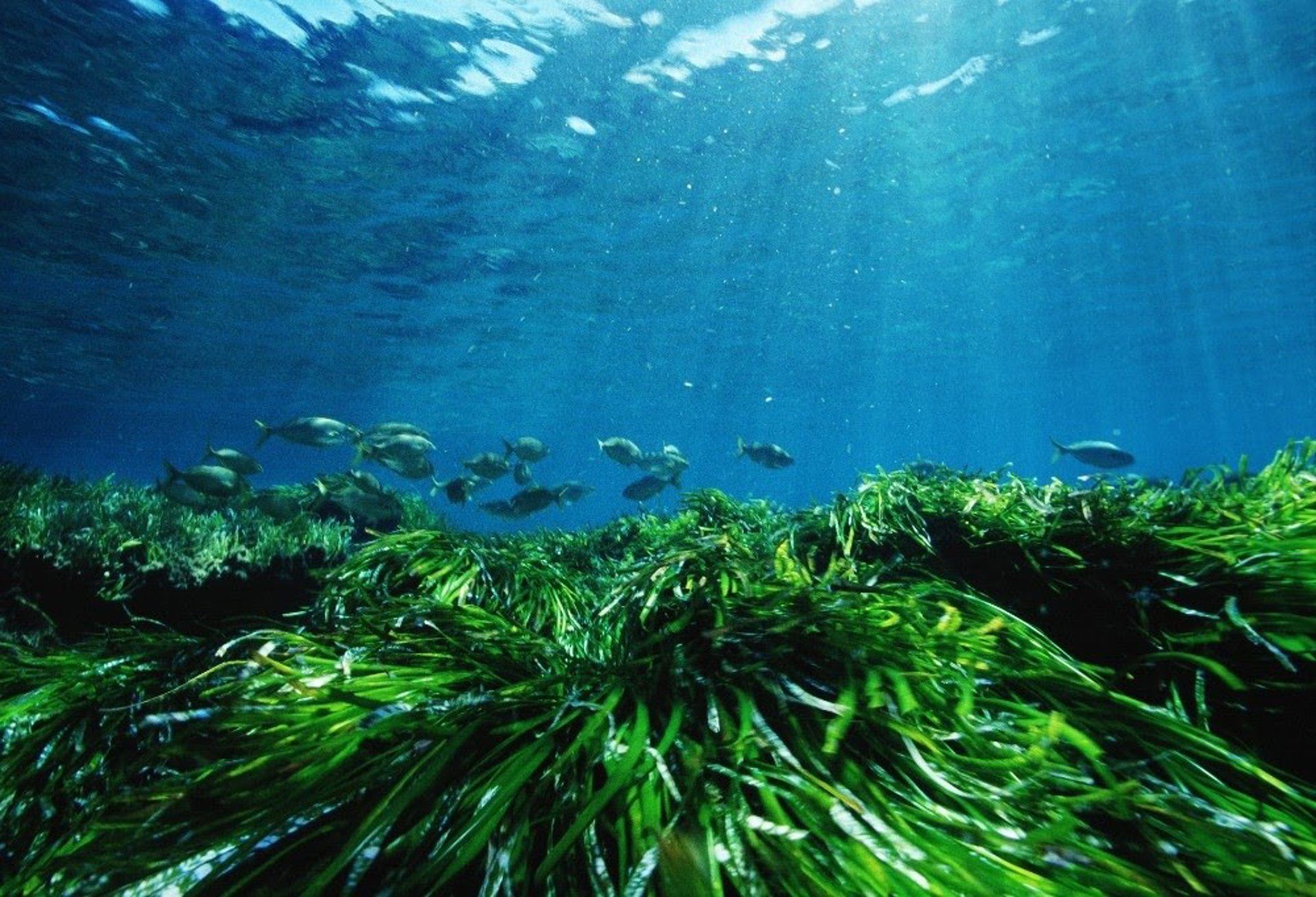
Vast seagrass meadows of posidonia oceanica—a flowering plant endemic to the Mediterranean, not an alga—cover the seabed, forming true underwater forests that serve as a refuge and breeding ground for hundreds of species of marine flora and fauna.
The importance of this natural heritage goes beyond mere aesthetic beauty. These meadows serve a triple ecological function crucial to the region's tourism model: they act as a powerful natural water purifier, giving the waters their crystal-clear transparency; capture and sequester large amounts of atmospheric carbon—even surpassing the absorption capacity of tropical forests—and cushion the force of waves during stormy months, preventing sand loss and protecting beaches from coastal erosion.
Designated a UNESCO World Heritage Site in Ibiza and Formentera, posidonia is not just a unique marine plant but also an indicator of the sea's good health.
Its meadows serve as a refuge and breeding ground for hundreds of species and play a key role in conserving the biodiversity of the Balearic coast.
Aware of its value, the Balearic Islands are promoting various initiatives to study, protect, and raise awareness about this ecosystem through projects funded by the Sustainable Tourism Tax (ITS), which help preserve natural heritage and foster a more responsible tourism model.
A NETWORK THAT MONITORS THE SEABED
Understanding the state of seagrass is the first step to ensuring its conservation. To this end, the archipelago has revived the Balearic Islands Seagrass Monitoring Network, an initiative that tracks changes in this habitat through monitoring stations spread across Mallorca, Menorca, Ibiza, and Formentera.
Thanks to this network, it is possible to collect information on the state of the seagrass meadows, detect changes, and obtain scientific data that help design more effective protection strategies.
A project that combines research, environmental management, and public outreach to safeguard one of the Mediterranean's most valuable ecosystems.
The map that helps protect the sea Knowing where posidonia is located is also essential for its conservation.
With this goal in mind, the Underwater Atlas of Posidonia oceanica was created, a tool that updates the mapping of posidonia meadows across the four islands and facilitates more precise coastal management.
In addition to supporting research and environmental planning, the atlas allows sailors and other users of the sea to identify sensitive areas and practice responsible anchoring, thus reducing the impact on this fragile ecosystem.
ENJOYING THE SEA ALSO MEANS CARING FOR IT
To protect it, the involvement of those who sail, practice water sports, or enjoy the coast is also needed.
With this goal in mind, the 'Somos Posidonia: Signage and Communication for the Posidonia Seagrass Landscape and Recreational Navigation' has developed information and awareness initiatives, such as installing signage in sensitive areas, distributing informational materials in ports, and campaigns to promote good practices among marine users.
Because conserving this natural heritage doesn't mean giving up on enjoying the Mediterranean, but rather doing so in a more conscious and respectful way.
DISCOVERING THE MEDITERRANEAN FROM A DIFFERENT PERSPECTIVE
Diving in the waters of the Balearic Islands means discovering a landscape completely different from what you see from the coast.
The archipelago's waters hide seagrass meadows, rocky walls, underwater caves, and extraordinary biodiversity where schools of fish, starfish, octopuses, nacre shells, and other species characteristic of the Mediterranean coexist.
This natural heritage can be explored through activities like snorkeling, diving, kayaking, or paddleboarding in the crystal-clear waters, and even with guided marine interpretive tours, which help visitors understand the importance of underwater ecosystems and the vital role seagrass plays in the health of the sea.
Beyond simply enjoying the beauty of the seabed, these experiences help visitors understand why it is essential to conserve this environment so that future generations can continue discovering one of the greatest natural treasures of the Balearic Islands.