







The opera has once again sold out at the Principal Theatre in Palma. The cultural institution is closing its 40th opera season with three performances of Giuseppe Verdi’s Rigoletto, scheduled for June 17, 19, and 21, all of which have been completely sold out for weeks.
The finale is not only one of the season’s most outstanding artistic moments, but also a testament to the vitality of a genre that, far from being confined to the classical repertoire, enjoys a solid and growing audience base in the Balearic capital.
The production chosen to close the season is no coincidence. Rigoletto—along with La Traviata and Il trovatore—is part of Verdi’s most popular trio of operas; a work premiered in 1851 at Venice’s La Fenice theater that has since become one of the cornerstones of the universal operatic repertoire.
Beyond its historical importance, the choice of Rigoletto also reflects a contemporary justification: that of major productions capable of attracting audiences and maintaining the appeal of opera programming in an increasingly competitive cultural landscape.
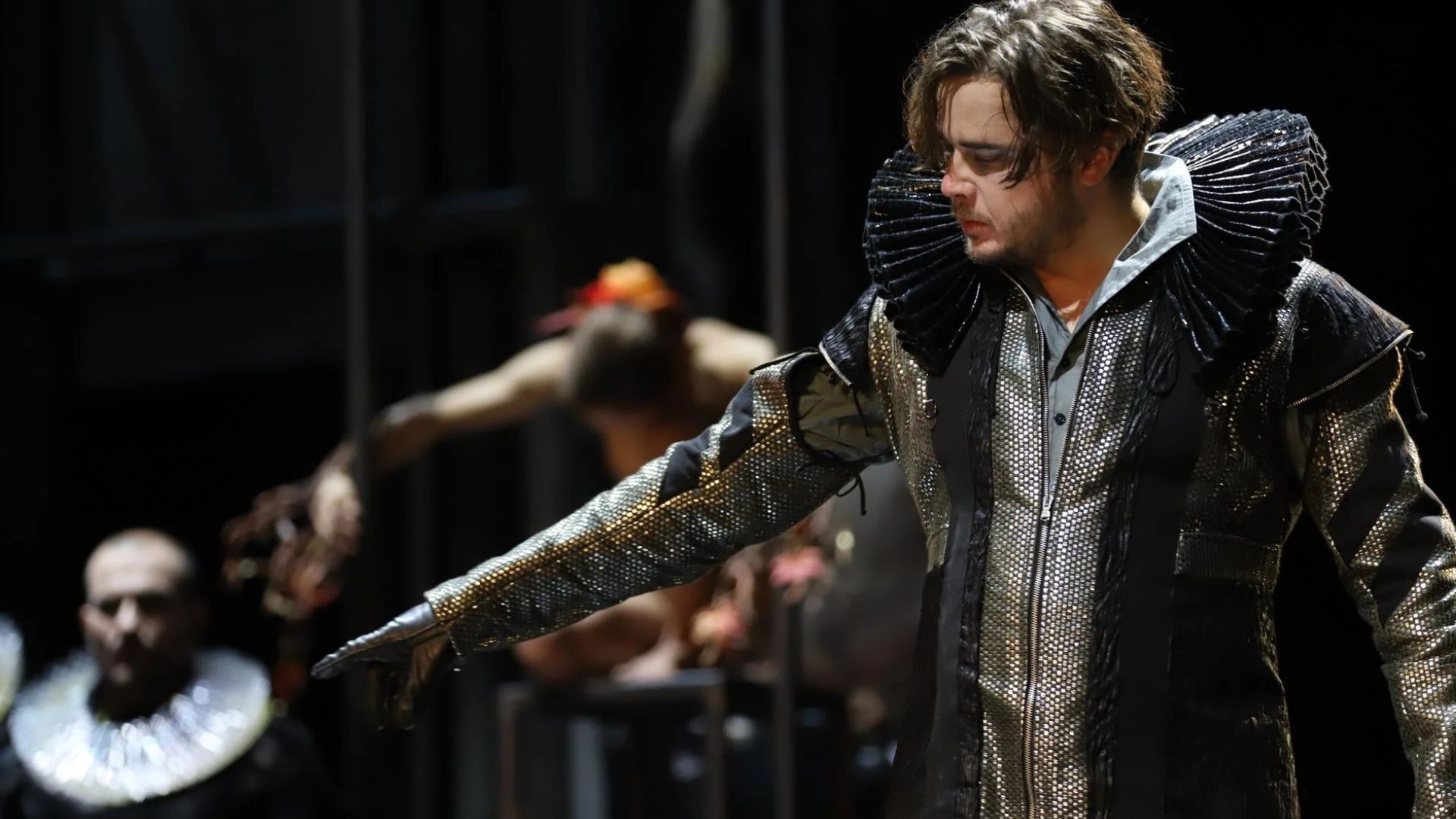
The production now arriving in Palma is directed by the Venetian Elena Barbalich and musically directed by the Spaniard Oliver Díaz, in a production that combines traditional interpretation with a contemporary staging.
The cast brings together performers from various countries in the lead roles: baritone Damiano Salerno as Rigoletto, tenor Filippo Filipovic as the Duke of Mantua, and soprano Génesis Moreno as Gilda, along with other names such as Begoña Gómez, Niall Anderson, and Toni Marsol.
The set and costume design is by Tomasso Lagatolla, while the lighting design is by Simone de Angelis, completing a production with a distinctly international touch.
The end of the season arrives with a figure that underscores the project’s scope: more than 11,000 people have attended the opera program at the Teatro Principal this season. A figure that positions the opera not only as an established cultural offering, but also as a highly sought-after attraction within the City’s performing arts program.
This year’s program has embraced a variety of formats and eras, combining classical works with contemporary productions and reviving milestones such as the return of zarzuela to the Principal’s stage and the theater’s first staged performance of Wagner.
Other highlights include productions such as La voix humaine, the debut of new musical directors, and the participation of national and international performers, as part of a program that aims to expand its audience without abandoning its core repertoire.
The director of the Teatro Principal, Miquel Martorell, highlighted the role of the artists, technical staff, and musical ensembles involved in the season, with a special mention for the Teatro Principal Choir, the Balearic Islands Symphony Orchestra (OSIB), the guest orchestras, and the theater’s own staff.
Martorell also expressed his gratitude for the audience’s response during a particularly significant season, marked by the celebration of the 40th anniversary of opera performances at the Gran Teatre del Liceu in Barcelona.
For her part, the island’s Minister of Culture and Heritage, Antònia Roca, highlighted that closing the season with Rigoletto and a full house “confirms the warm reception that the operatic project” promoted by the institution has had.
In a context where culture competes with a wide range of entertainment options, opera in Palma stands out as an experience that offers significant added value: exclusive in its accessibility, meticulously produced, and capable of attracting both the local audience and visitors interested in the city’s cultural offerings.
With this closing performance, the Teatro Principal not only ends the season but also consolidates its clear position on the Mediterranean cultural map: that of a space where the great classics of the repertoire continue to be landmark events, capable of selling out and maintaining a loyal opera audience.


