








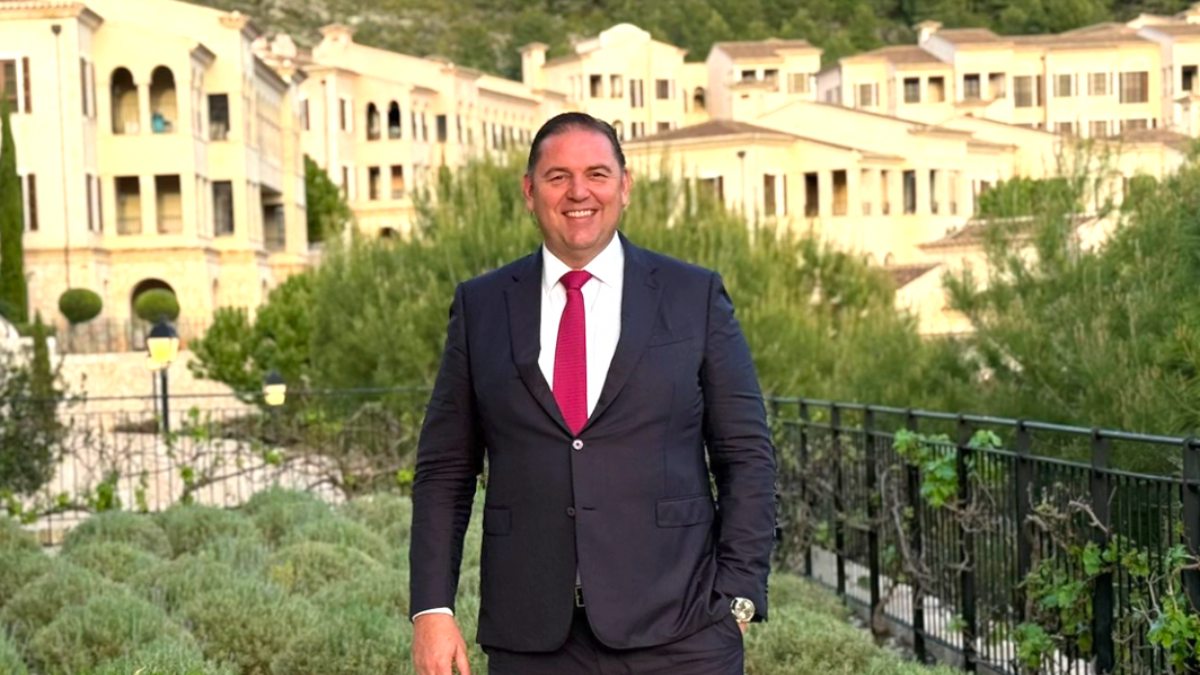
In recent years, Mallorca’s hotel industry has successfully capitalized on various opportunities to position the island in a place that once seemed out of reach: as one of the world’s leading luxury tourism destinations. And it has done so thanks, above all, to the dedication and hard work of leaders like Toni Mir, CEO of Cap Vermell Group, who was one of the pioneers in transforming Mallorca into a luxury destination when, ten years ago, he opened what is now one of the most prominent luxury resorts in the Mediterranean, the Cap Vermell Grand Hotel, in Canyamel.
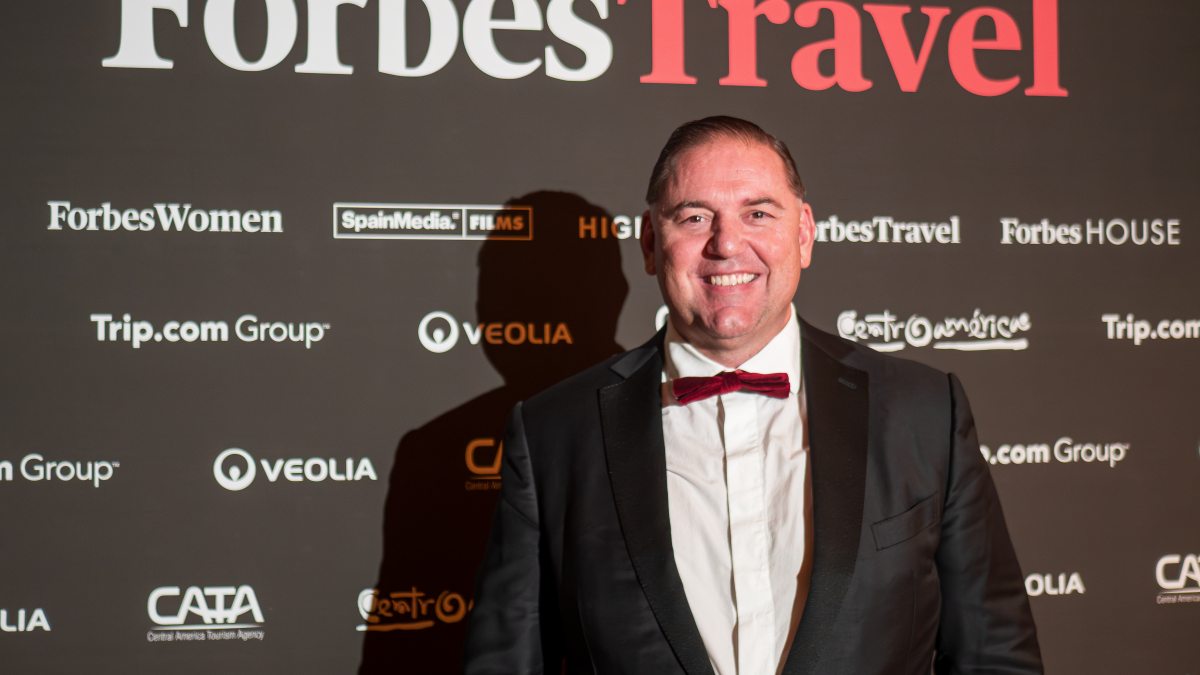
Mir, one of the most well-known figures in the hospitality industry for his commitment, vision, and leadership—and one of Forbes Travel Spain’s 50 Luxury Tourism Leaders—as CEO of Cap Vermell Grand Hotel, reflects on the resort’s evolution as it marks its tenth anniversary. He analyzes the key factors that have established Mallorca as one of the world’s premier luxury destinations and discusses the hotel’s positioning, its commitment to sustainability and gastronomy, as well as the challenges and trends in high-impact tourism.
Cap Vermell is celebrating its 10th anniversary. How has the resort evolved since it opened?
Cap Vermell was founded with a very clear vision: to create an international luxury resort deeply connected to Mallorca. Ten years later, we have established a project that combines hospitality, gastronomy, architecture, and the Mediterranean lifestyle—rooted in authenticity rather than artificiality. The evolution has been natural, yet always guided by a constant pursuit of excellence.
Looking back, what strategic decisions do you think were key to establishing the project?
I believe there were three key decisions: prioritizing quality over quantity, recognizing that luxury should be understated and experiential, and building a project with its own identity rather than replicating international models out of context. It was also crucial to surround ourselves with top professionals and have the patience to build a reputation.
The natural setting in which Cap Vermell is located is one of its defining features. How have you integrated the resort into the landscape without losing that sense of exclusivity?
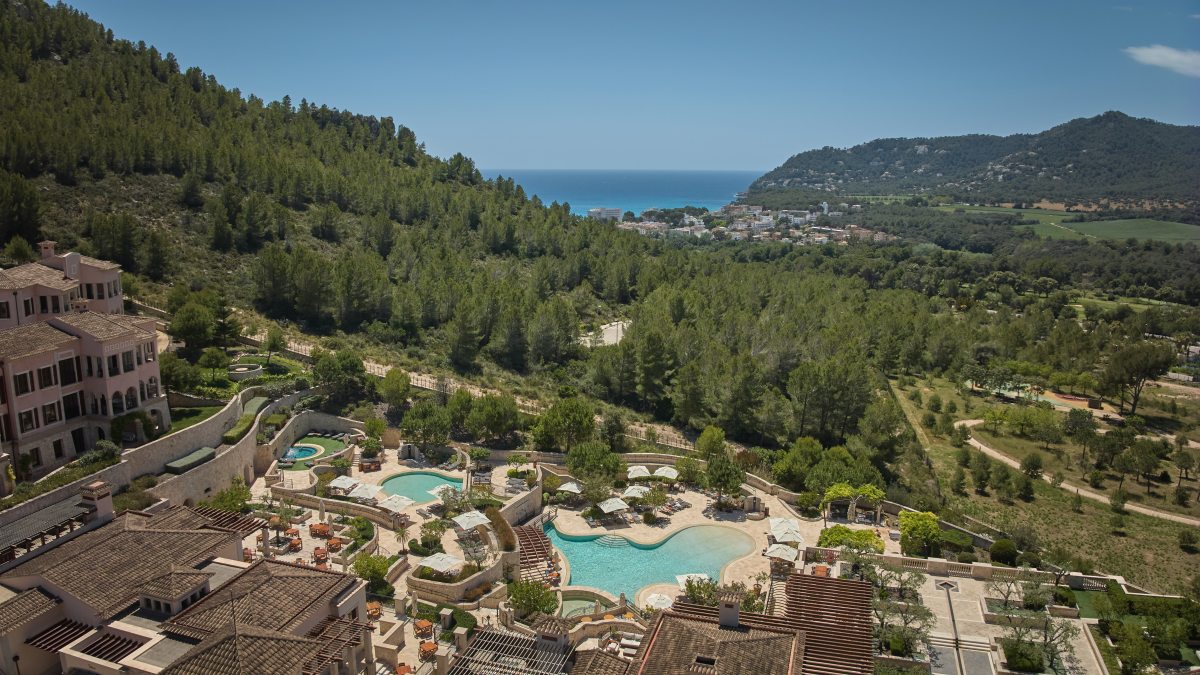
It is precisely this integration that gives rise to its uniqueness. Cap Vermell does not seek to dominate the landscape, but rather to engage with it. The architecture, materials, building heights, and open spaces were designed to respect the surroundings and create a sense of calm and privacy that is very hard to find these days. In fact, the international architectural award, the UNESCO Prix Versailles, is a testament to this.
How important is sustainability in day-to-day management?
Sustainability can no longer be viewed as just a department or a specific initiative. It must be an integral part of our daily decision-making. From energy efficiency to responsible consumption, and from supporting local products to water management, we strive to ensure that our operations are in harmony with the unique environment in which we work.
Specifically, how do you think luxury and environmental responsibility should be balanced in a destination like Mallorca?
The luxury of the future will be sustainable or it will not exist at all. High-end customers increasingly value authenticity, respect for the local area, and environmental awareness. In destinations as special as Mallorca, we have a responsibility to protect the very things that make us unique.
They have made a strong commitment to gastronomy, turning the area into a true culinary destination. Why did this become a strategic pillar for Cap Vermell?
Because gastronomy is culture, emotion, and identity. We understood from the outset that the culinary offerings had to live up to the standards of the overall project. Restaurants such as Voro (with two Michelin stars and three Repsol Stars), Bravo, Villa Sofia, and Roka not only enrich the guest experience but also put the destination on the international map.
How do you create a culinary experience that meets the expectations of international customers?
With talent, consistency, and personality. International diners have traveled extensively and can quickly tell when there is authenticity behind a culinary concept. Technical excellence is important, but so is conveying the soul and essence of the region.
Returning to your commitment to Mallorca, how significant is the use of local ingredients in your culinary offerings?
It plays a crucial role. Mallorca boasts an extraordinary array of local produce, and we firmly believe that culinary excellence must be grounded in local sourcing, seasonal ingredients, and respect for local producers.
From the very beginning, you’ve also been committed to high-impact tourism. How would you define that concept today?
For us, high-impact tourism does not mean mass tourism or ostentatious tourism. It means attracting visitors who value quality, culture, cuisine, well-being, and the environment. It is a model based on generating economic, social, and reputational value for the destination.
As pioneers in this field, what obstacles or challenges did you face in the beginning?
Ten years ago, there was still some skepticism about Mallorca’s ability to compete in the most demanding segment of the international luxury market. Today, I believe the island has more than proven that it has all the qualities needed to lead the way in this market on a global scale.
What sets Cap Vermell apart in the luxury segment in the Balearic Islands?
Our human scale, privacy, architectural integration, and a distinctly Mediterranean approach to luxury. We don’t seek to impress through excess, but rather through sensitivity, attention to detail, and authenticity. I can proudly say that the result of this work is the hotel’s Michelin star.
Finally, you are one of the most luxury-oriented professionals in the industry. How has your perspective changed over the years?
Over the years, I have come to realize that true luxury is not about impressing the customer, but about making them feel truly at ease. Today, luxury has much more to do with time, privacy, well-being, authenticity, and emotions than with ostentation.
