






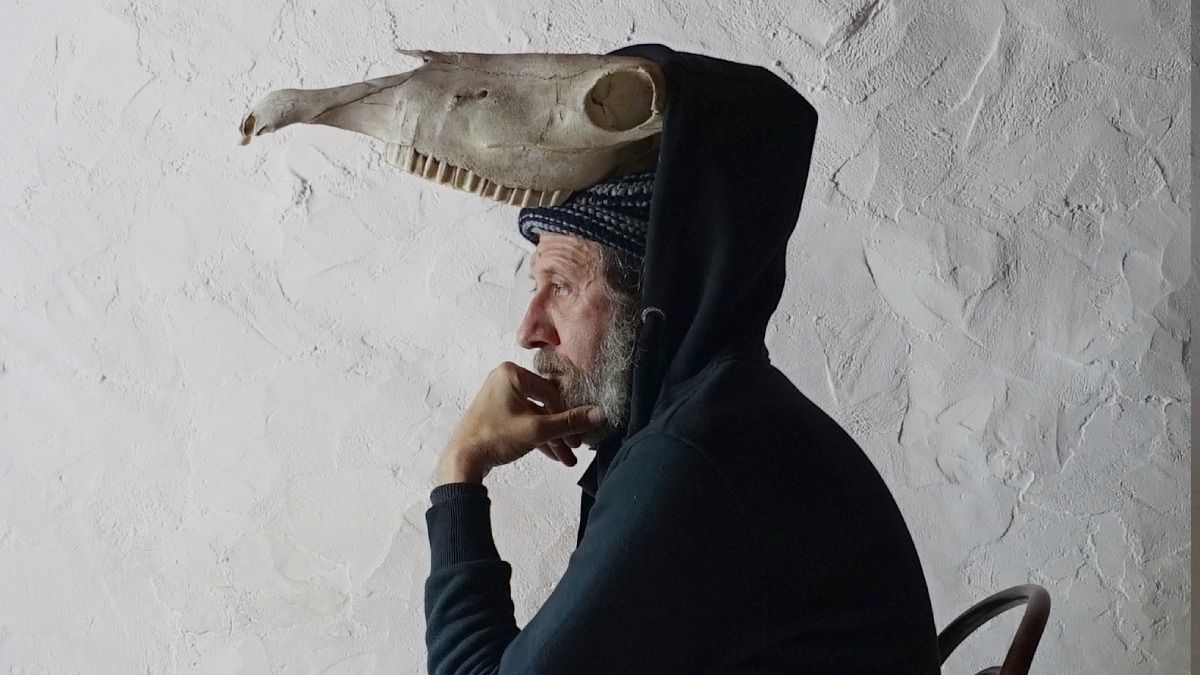
Viewers of the documentary *The Designer Is Dead*, directed by Gonzalo Hergueta and centered on the figure of Miguel Adrover, will likely come away with the same conclusion: the designer is dead. However, this notion is misleading. Because Adrover is—and has always been—much more than that. A photographer, artist, and thinker, his career foreshadowed some of the key ideas that define the fashion industry today. Born in Mallorca and creatively trained in New York in the late 1990s, it is difficult to understand phenomena such as upcycling or certain aesthetics that would later be adopted by major fashion houses, such as Balenciaga under the direction of Demna Gvasalia.
But there is another reason why Adrover transcends the role of designer. It has to do with a trend that is particularly relevant today in terms of professional reinvention: his ability to redefine his own creative space. Far from the runways, Adrover is also the creator of a unique enclave located in the center of Palma. When he received the National Fashion Design Award, before filming of the documentary began, that space remained closed. It had different names, such as Flora and Distrito, although the original project stemmed from a more intimate idea: EsJaç. In Catalan, it is a term that refers to the bed of animals, to the imprint their bodies leave when they get up. An idea that connects with the notion of trace and identity, key concepts in his work as well.
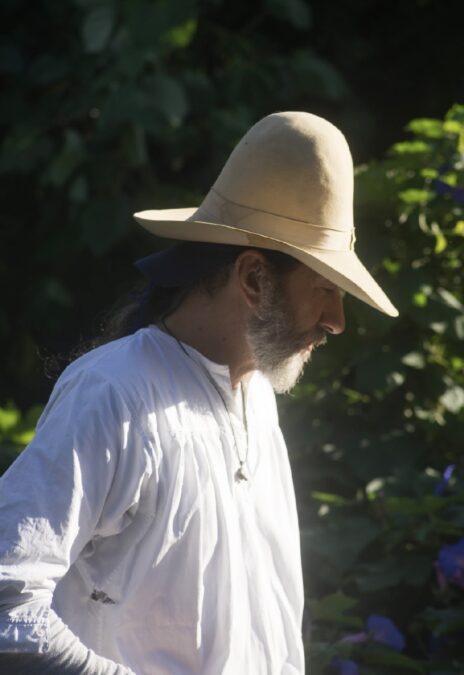
By the time the space opened its doors, Adrover had achieved international recognition. He had won over *Vogue* and captured the attention of fashion critics. But he also experienced the flip side of success: the failure of his *Utopía* collection, presented shortly before the September 11, 2001, attacks. His collection, centered on multiculturalism, clashed with a time when garments like caftans and djellabas were no longer seen as symbols of diversity but had become objects of suspicion. The industry withdrew its support. Without investors, Adrover left the fashion scene and ended up working as a taxi driver in Egypt.
That shift served as a turning point. When he decided to return to Mallorca, he took over a small space, barely 40 square meters, that his grandfather had acquired years earlier, located in the La Lonja neighborhood. In the early 1990s, the space operated under the name Distrito, run by a young Adrover who was not yet a designer, artist, or photographer. He was, quite simply, someone with a keen eye.
Upon his return, he finds himself in a conventional bar in an area overflowing with nightlife options. It is there that he launches a project which, viewed in hindsight, can be seen as a physical extension of his creative universe. The undulating forms, the mosaic tiles, the lime-washed floor, and the bathrooms topped with small domes covered in untreated branches all follow an artisanal logic. Even the most functional elements, such as the carved olive wood toilet seats, contribute to his artistic narrative.
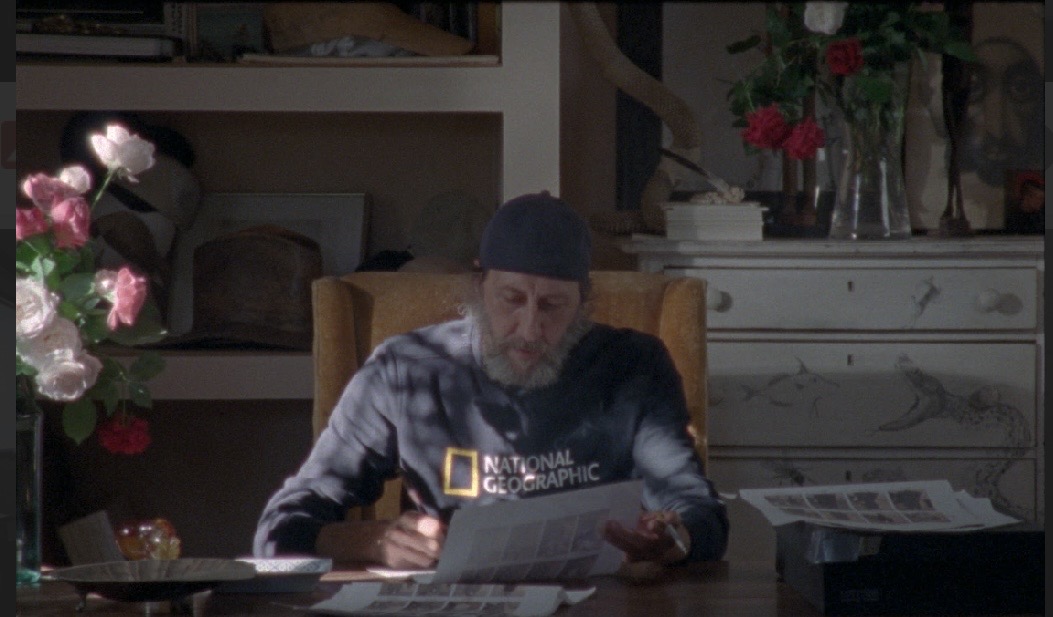
The most radical decision, however, is also the least practical from a business standpoint: the installation of a large clay jar, nearly two meters tall, which takes up a significant portion of the shop’s usable space. In a small business where every square meter counts, Adrover decides to sacrifice capacity in favor of the concept. The structure, crowned with fig tree branches, serves as a centerpiece and a statement of intent. It sits on a base by sculptor Ferran Aguiló, who also created the establishment’s outdoor wrought-iron lamps.
The result is not just a bar; for years, it has served as a cultural hub. Designers, artists, and other creative figures frequented the space to chat with Adrover, who had officially retired from the fashion industry. At the same time, rumors were swirling: possible signings with major houses, contacts with international firms. It was the era of John Galliano at Dior and Alexander McQueen’s recent departure from Givenchy. Everything pointed to Adrover’s talent eventually being reabsorbed by the system.
But that didn’t happen. And therein lies the heart of the story. The designer continued to answer calls and send emails, but that identity no longer belonged to him. It had changed. The bartender, the interior designer, the creator of spaces was born. Later, the photographer would also emerge, author of a recent volume that brings together nearly 300 portraits and once again expands his creative scope in a story that speaks less of abandonment than of evolution. Because, while it is true that the designer has died, what has actually happened is something more interesting: only one of his many incarnations has disappeared. Judging by his career, it is reasonable to think that there are still several left to discover.