







“What we want to see happening is happening.” The statement, made by Tourism Minister Jordi Hereu on the eve of Holy Week, was intended to be a succinct conclusion to his analysis of the sector’s evolution in Spain. Tourism is showing a trend toward deseasonalization, decentralization, and diversification as a result of all the efforts made in that direction. The model is changing.
Visitor numbers are distributed more evenly across the entire country, but also throughout the year. Tourism is no longer dependent on the summer and coastal destinations; inland destinations are gaining popularity, and the off-season is seeing numbers that many destinations would love to have during their annual peak seasons. Last year confirmed the growth of the entire region comprising inland Spain—or “green Spain”—which is seeing its spending and visitor arrival figures rise at a much faster rate than those of the six traditionally tourist-oriented regions, the “must-see” destinations featured in international travel guides: Andalusia, the Balearic Islands, the Canary Islands, Catalonia, the Community of Madrid, and the Valencian Community. These regions are focused—with the logical exception of the capital—on stabilizing (or limiting, depending on whom you ask) summer arrivals and boosting those during the rest of the year.
Needs are constantly changing. As a global tourism superpower—a ranking it shares with France, the U.S., Italy, and Turkey, and one in which it holds a dominant position within this elite group— Spain has long been engaged in a process of refining its main industry, which it is striving to shape to its liking while managing its unstoppable growth and realigning its objectives: to consolidate current demand trends and make the tourism sector a sustainable venture. Or, in other words, refining the offering to attract segments with higher added value, as Hereu himself argued, insisting that “there are indicators suggesting we can maintain stability within a successful model.”
The Balearic Islands Seek to Build on Their Summer Leadership
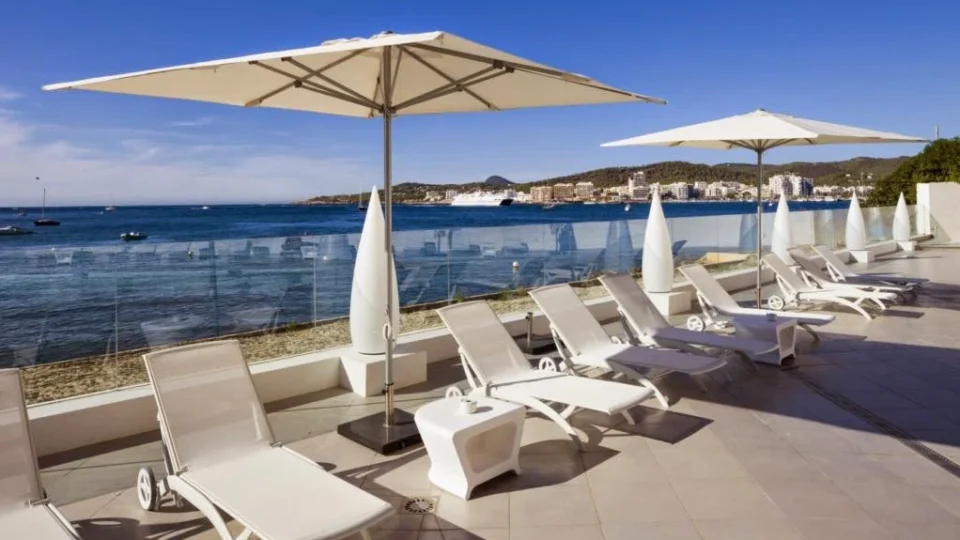
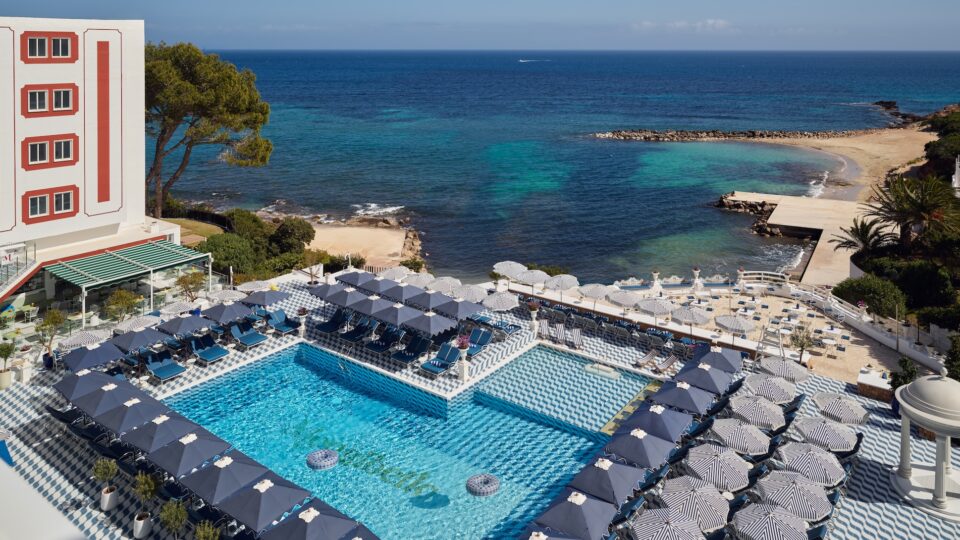
Seasonal adjustment strategies have always been a core component of the curriculum for destinations with a strongly defined high season, as is the case with the Balearic Islands. The archipelago remains unbeatable in terms of visitor arrivals and spending during the peak months of the year, although since the onset of the pandemic, it has managed to increase activity from November through March thanks to an ever-expanding range of lodging options —the number of hotels that remain open year-round is gradually increasing—and with alternatives to sun and beach that are growing in tandem, primarily through cultural, culinary, sports, and nature-based offerings, but also through the events and conferences segment.
This expansion of tourism is proving crucial for a region that has been struggling for years to free its economy from the shackles of seasonality and transform its character during the off-peak months of the year. Unions have consistently called for employers to make a stronger commitment to a model that extends employment contracts as long as possible, rather than resulting in a flood of temporary workers who end up swelling the ranks of the unemployed during the months when the coastal hustle and bustle subsides. Hotels, restaurants, and shops scale back operations in many coastal destinations that see minimal activity during that time of year, although it is true that this period is becoming increasingly shorter.
For better or worse, much of the credit for this shortening goes to climate change, with increasingly warm fall and winter temperatures driving a growing portion of demand from people looking to avoid the summer heat—in terms of both temperatures and traffic congestion and prices.
Reports from Turespaña identify a trend toward the deseasonalization of demand, driven by the growth of the senior population and those without school-age children, as well as by greater flexibility to take vacations outside the peak season; an aging population and the growing prevalence of remote work are contributing to this trend and transforming the customer profile, with a direct impact on hotel offerings. The industry has been adapting and working toward this goal, although it still depends on the cooperation of airlines: air connections continue to set the limits on growth during the off-season.
“It’s a booming trend.” That’s how CaixaBank Research describes the seasonal adjustment of tourism in Spain in its latest reports. The opportunities offered by this shift in the model should not be underestimated: the challenge is to take advantage of the situation to widen the gap, according to the Catalan bank’s think tank. “Against a backdrop of growing international demand and the need for sustainability, this process of seasonality reduction opens windows of opportunity for the Spanish tourism sector, as it promotes a more balanced use of infrastructure and human capital throughout the year. The consolidation of this pattern may, in the long term, strengthen the competitiveness of tourism in Spain and foster more sustainable growth.”
The Growth of “Silver Tourism”
In early 2026, CaixaBank projected 2.5% growth in tourism GDP, a sector that was entering the year “on a solid footing and with a favorable outlook following the normalization of growth rates after the post-pandemic rebound.” Seasonal adjustment and diversification of demand are highlighted as key factors. In this regard, the importance and growing prominence of segments—which, incidentally, can overlap significantly—such as luxury tourism and “silver tourism” (which encompasses visitors over the age of 65 and is defined as strategic for the sector) are becoming increasingly established. This visitor profile has traditionally been concentrated in urban areas of cultural interest such as Barcelona or Madrid, although its presence is increasingly expanding into inland regions such as Aragon or the two Castiles.
At the same time, these segments are fueled by interest from source markets with high GDP economies in Europe—such as the Netherlands, Belgium, and Switzerland—or from long-haul markets, with Asian and American countries representing this high-end demand: the U.S., Canada, Mexico, China, Japan, and the Persian Gulf countries. It is also the case that transcontinental visitors not only tend to spend more—their purchasing power is the highest, as reflected in Egatur’s statistics—but their vacations are also comparatively longer. All of this is taking place against a backdrop in which rising tourism costs and economic instability in the sector’s main source markets—the United Kingdom and Germany—are leading to shorter stays: Europeans are not giving up on returning to Spain, though they are staying for shorter periods.
Recipes from the Archipelagos
On the other hand, the strategies for diversifying and reducing seasonality may vary by region, although the ingredients are essentially the same—or, at the very least, similar. The strategies of the Balearic Islands do not differ greatly from those of the Canary Islands, although the latter does not face the same constraints as the former: its tropical climate allows for significant tourist arrivals year-round, so the challenge lies in the territorial redistribution of tourism and the distribution of its economic impact.
The strategy places sustainability, competitiveness, and the well-being of the resident population among its priorities, while promoting sectors such as senior tourism, nature, culture, sports, and extended stays. It also aims to attract remote workers and visitors interested in spending longer periods of time on the islands.
Andalusia aims to take advantage of its mild winter climate to capitalize on its growth potential during the off-season. The General Plan for Sustainable Tourism places special emphasis on product diversification, the distribution of tourist flows, and the promotion of year-round destinations. Seville, Córdoba, and Granada retain their cultural appeal outside the summer season, while rural tourism, wine tourism, and heritage-related experiences help extend tourism activity to inland regions.
Catalonia and the Valencian Community share very similar characteristics, with strategies designed to supplement the revenue generated by sun and beach tourism from May through October. Consequently, interest in wine culture is growing, with an expanding range of offerings in the wine-producing regions. Destinations such as the Pyrenees and the Costa Brava also offer well-established products and services for travelers who choose to visit in the winter. From the Valencian perspective, the offerings follow the same path, with a focus on gastronomy, heritage, and cycling tourism, to which must be added the ability of Valencia and Alicante to attract urban and MICE tourism.
Madrid’s status as one of Europe’s premier urban destinations means that its needs are slightly different. The capital’s appeal remains more or less stable throughout the year, so the strategy focuses instead on complementing urban stays with getaways to the rest of the region, allowing other municipalities—well-equipped with heritage, culinary, and scenic attractions—to share in that success. The goal, quite simply, is to prevent Madrid from becoming isolated from its surrounding area.
Those same tools are what have contributed to the rise of other regions. Scenery, cuisine, and cultural heritage are the main draws of promotional campaigns for the north and the interior of the peninsula. Asturias, Cantabria, Navarre, La Rioja, and the Basque Country are hotspots for hiking and rural getaways that are attracting more and more tourists, including those from the domestic market. The same is true for Extremadura, Aragon, and the two Castiles: specialized offerings and natural beauty, with a focus on niche segments such as birdwatching tourism, for example.
The appeal of rural areas as an unquestionable draw extends beyond year-round attractions, such as the one Galicia offers with the Camino de Santiago. On the other hand, the appeal of the Cantabrian coast also increases in the summer: indicators suggest that the northern beaches may benefit from an influx of visitors driven away from the Mediterranean coast by heat waves.
The Role of Climate Change
Paradoxically, it is precisely the factors that extend the season for top destinations that hold much of the growth potential for inland or alternative destinations. Rising temperatures boost visits in the fall and winter to the Balearic Islands and the Valencian coast, but they also begin to divert tourist flows in search of milder climates during the height of the summer season. At the same time, the rural, refreshing, and uncrowded offerings of inland Spain serve as a counterpoint to the crowds at saturated destinations.
All of this, in short, is part of the same pattern of spatial and temporal redistribution that Hereu referred to. Growth is no longer measured in gross volume, and the other Spains—the green, the rural, the inland, the wintry, the alternative…—have found room for their development within the same space: that of a territory that occupies a privileged position in the global tourism industry and must redirect its goals toward the three pillars of sustainability: social, economic, and environmental.