







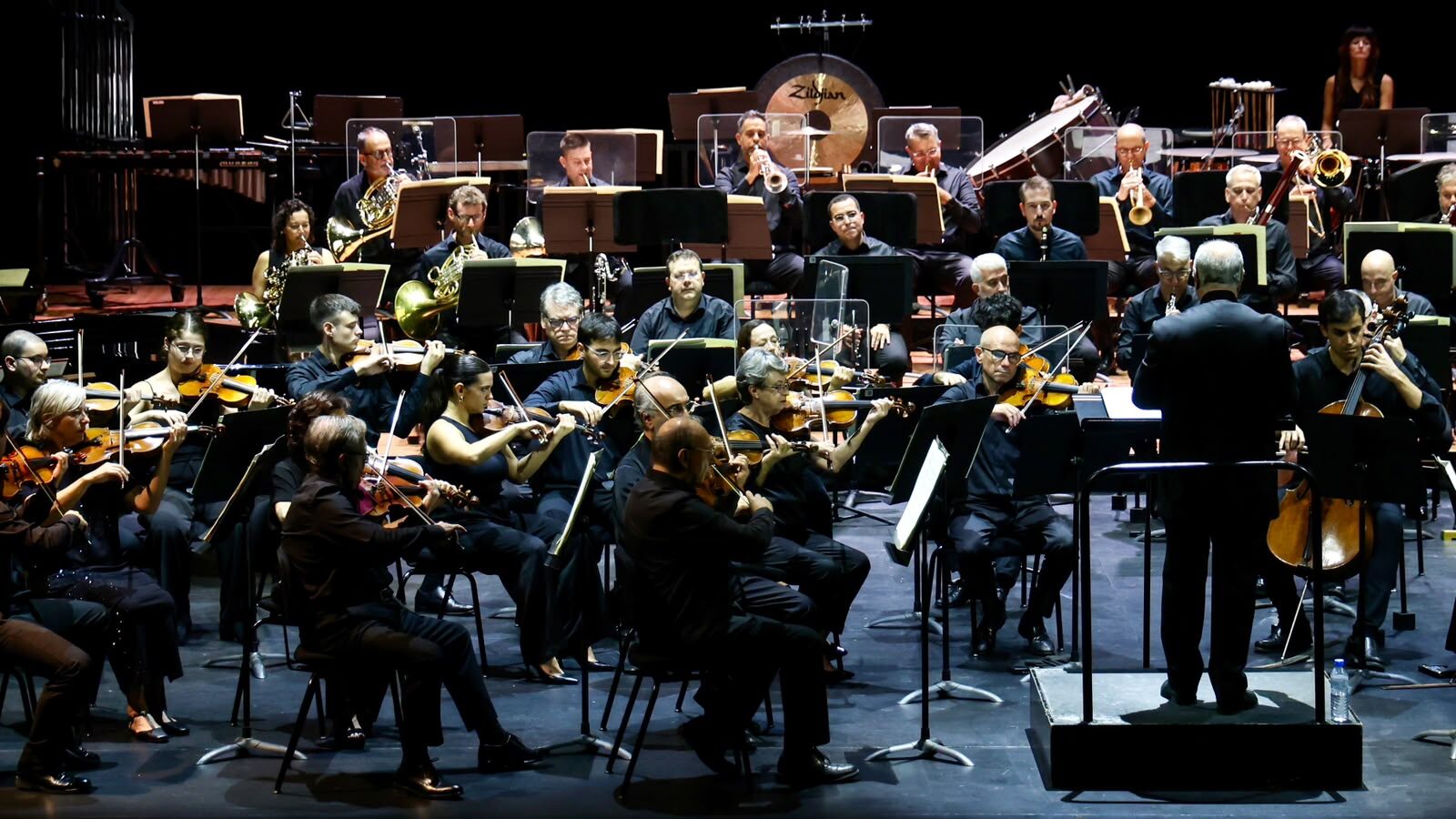
On Friday afternoon, music closed the program for Mallorca Day. The venue chosen was the Principal Theatre of Palma, and the big star of the show was the Illes Balears Symphony Orchestra, which presented a program designed to link heritage, identity, and musical creation through composers and works connected, in one way or another, with Mallorca.
Under the direction of Vicente Balaguer, the symphony orchestra performed a program that took the audience on a journey from 19th-century Mallorcan symphonic music to the Spanish musical tradition and the world of the California missions. This journey turned the closing concert into a new opportunity to celebrate culture as one of the island’s greatest assets.
“La Diada is an opportunity to celebrate Mallorca in all its forms, and culture plays a key role in it,” said the president of the Council of Mallorca, Llorenç Galmés. “Closing this program with a performance by our Symphony Orchestra at the Principal Theatre is a fitting way to conclude a few days during which we have sought to ensure that the Diada reached every corner of the island and that the people of Mallorca could experience and celebrate it in different ways,” he added.
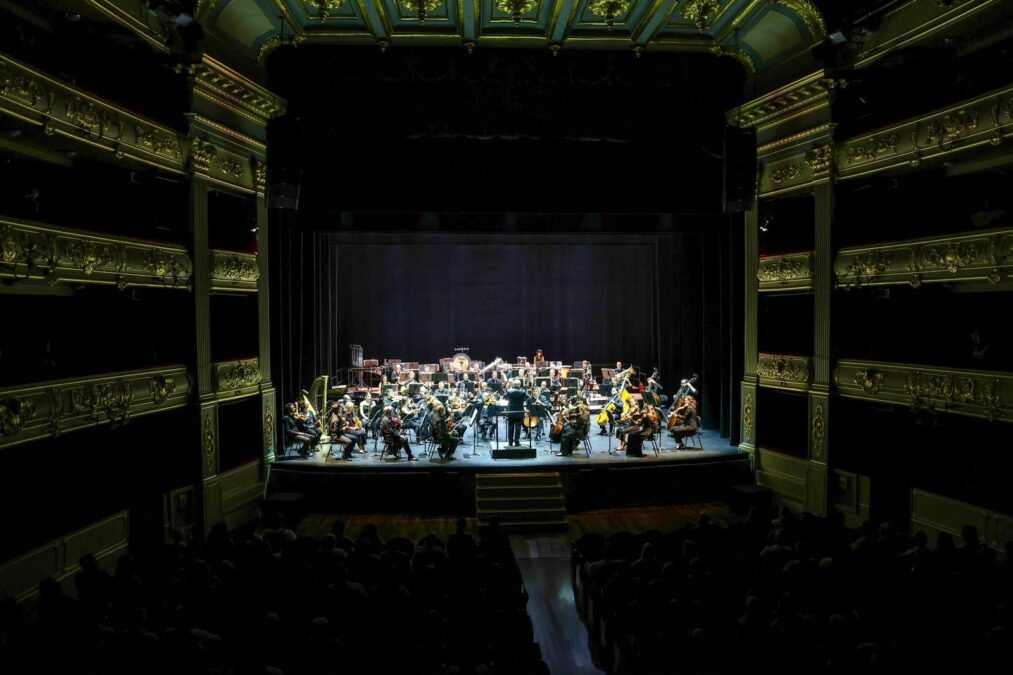
The program opened with Symphony No. 2 in E-flat major by Miquel Marquès, one of the leading figures of 19th-century Spanish symphonic music and a key figure in understanding Mallorca’s contribution to the history of Spanish music. His work opened a concert centered on the connection between place, tradition, and creativity.
The focus then shifted to California with the first movement of Meredith Willson’s Symphony No. 2 in E minor, *The Missions of California*, inspired by the figure of Junípero Serra, a Franciscan friar born in Petra whose life was closely tied to the establishment of the Spanish missions in California.
The program continued with *Cuatro danzas y una alborada* by Vicente Asencio, before moving on to *El sombrero de tres picos* by Manuel de Falla. Specifically, the orchestra performed Suite No. 2, a particularly significant choice in the year commemorating the 150th anniversary of the composer’s birth.
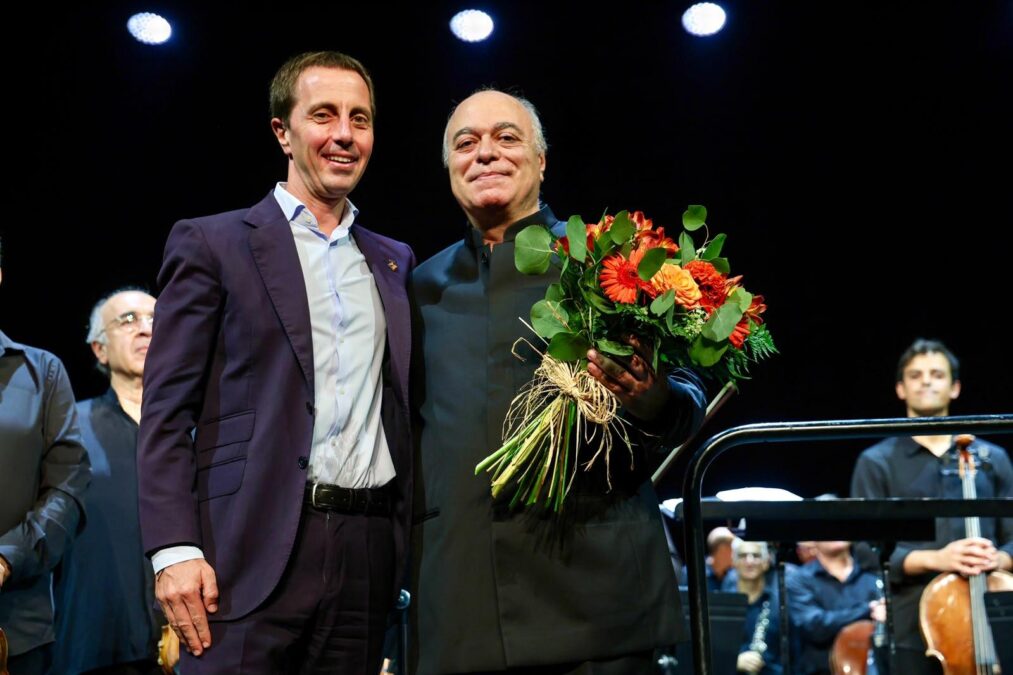
Rhythm, folk tradition, and a rich orchestral sound provided the musical finale to a program of events for Diada, which over the past few days has brought activities to various parts of Mallorca and has combined official ceremonies, cultural and family events, and initiatives to encourage public participation.
With this concert, the Council of Mallorca brings to a close a program that has placed culture at the center of the Diada celebrations and has used music, heritage, and public participation as a means to convey a vision of Mallorca that is connected not only with its history, but also with its capacity to create and share culture today.

