







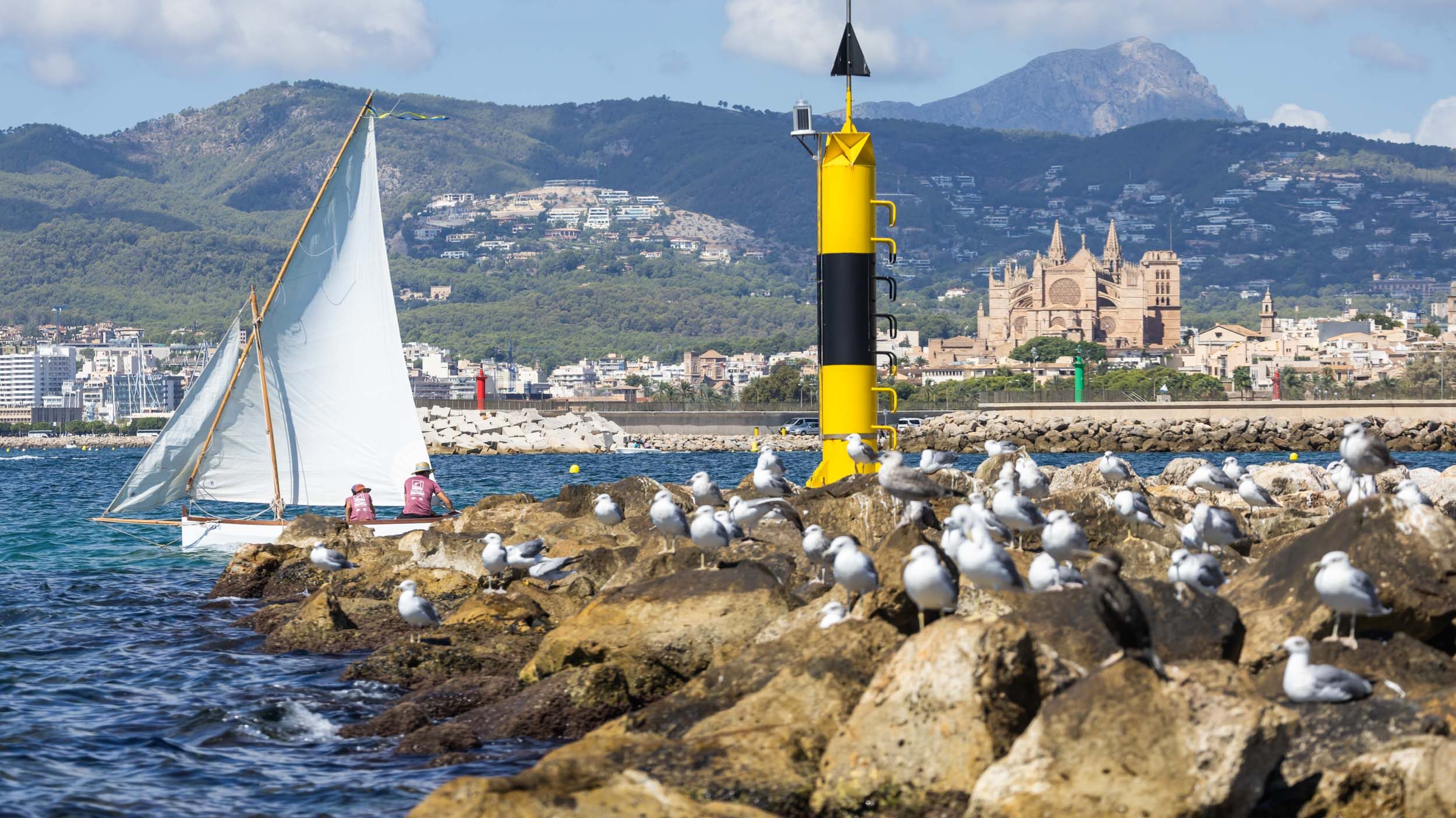
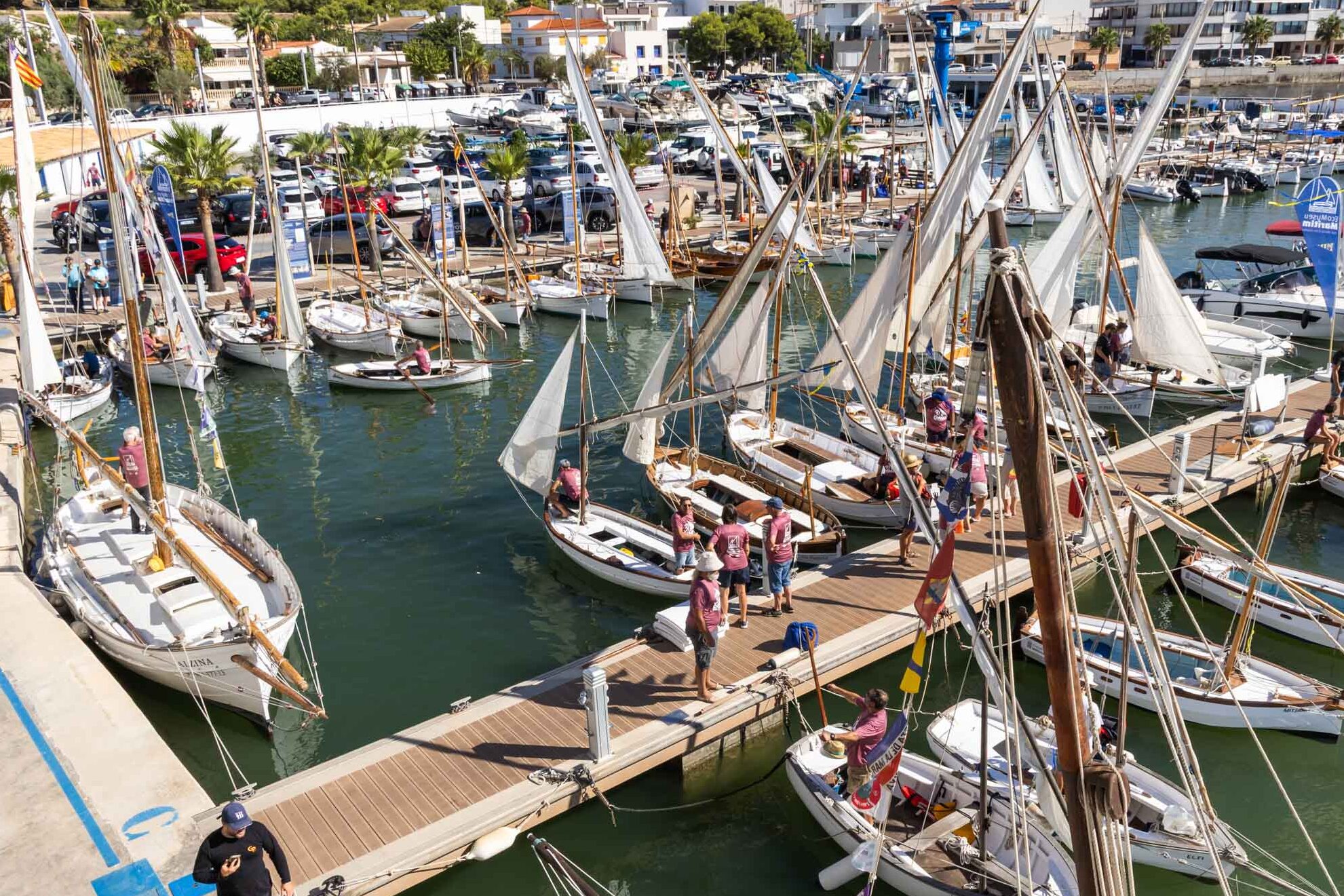
Success for a new sailing event during the Balearic summer. This weekend, Cala Gamba hosted the 30th Diada de Vela Llatina de Mallorca, an event organized by the Club Nàutic Cala Gamba that brought together more than 40 traditional boats and, once again, highlighted Mallorca’s maritime heritage and nautical tradition. The event combined competition with recreational sailing, with the primary goal of keeping lateen sailing alive and fostering camaraderie among enthusiasts and the exchange of experiences.
La Diada has established itself as a cornerstone for the preservation of this heritage. In fact, Joan Marc Rigo, manager of the Club Nàutic Cala Gamba, emphasizes that events like this one have been “crucial” in ensuring that lateen-sail boats and many traditional vessels have survived to the present day. The club also plays a prominent role in this effort through its stewardship of Spain’s only ecomuseum dedicated to lateen-sailed boats and llaüts.
The participating fleet included about a dozen century-old vessels, some with more than a century of history. One of them is the llaüt San Antonio de Padua, built in 1910 and owned by Joan Ecker, who purchased it three years ago. The owner highlights the unique experience of sailing a historic wooden boat, which is very different from sailing modern boats with Marconi rigging. The San Antonio de Padua also has a unique feature: the identity of the master shipwright responsible for its construction remains unknown.
Menorca played a special role as this year’s guest region, with the participation of two vessels representative of its maritime heritage. The Besitos, the flagship of the Associació d’Amics de la Mar de Ciutadella, shared the dock with some of Mallorca’s oldest vessels, while the Maria y Antonio, built in 1900, has become the oldest vessel in the participating fleet. Its history still holds some mysteries, although its blueprints later served as inspiration for the construction of fiberglass replicas.
The Results
Weather conditions shaped the course of the first day. The wind was slow to pick up until 1:45 p.m., when the northerly breeze gave way to an “Embat” of between 10 and 12 knots, blowing from a bearing of 225 degrees. The delay forced a change to the schedule and allowed only one of the two initially planned races to be held. The organizers set up two race courses: one for the competitive classes and another for the Open class, where participants could enjoy sailing without the competitive result being the main objective.
The second and final day began with a joint start by the fleet. On this occasion, the Embat—typical of the Bay of Palma—blew consistently, steadily, and strongly, allowing all classes to complete another race. The favorable wind conditions thus helped bring the competition to a close under ideal circumstances and allowed some boats to improve upon their results from the first day.
The list of honorees for this 30th edition is headed by Pantaleu, owned by Isabel Estades, in the Dragonera category; Savanna, owned by Toni Jover, in the Llaüts Clàssics category; Brandó, owned by César Cabrera, in the Llaüts Clàssics Open category; and Ventolina, owned by Jaume Duran, and Alconassar, owned by Juanjo Font and Pep Riera, in the Regatta categories. Alconassar also staged a comeback on the second day, which allowed it to improve its position and ultimately take first place in its classification.
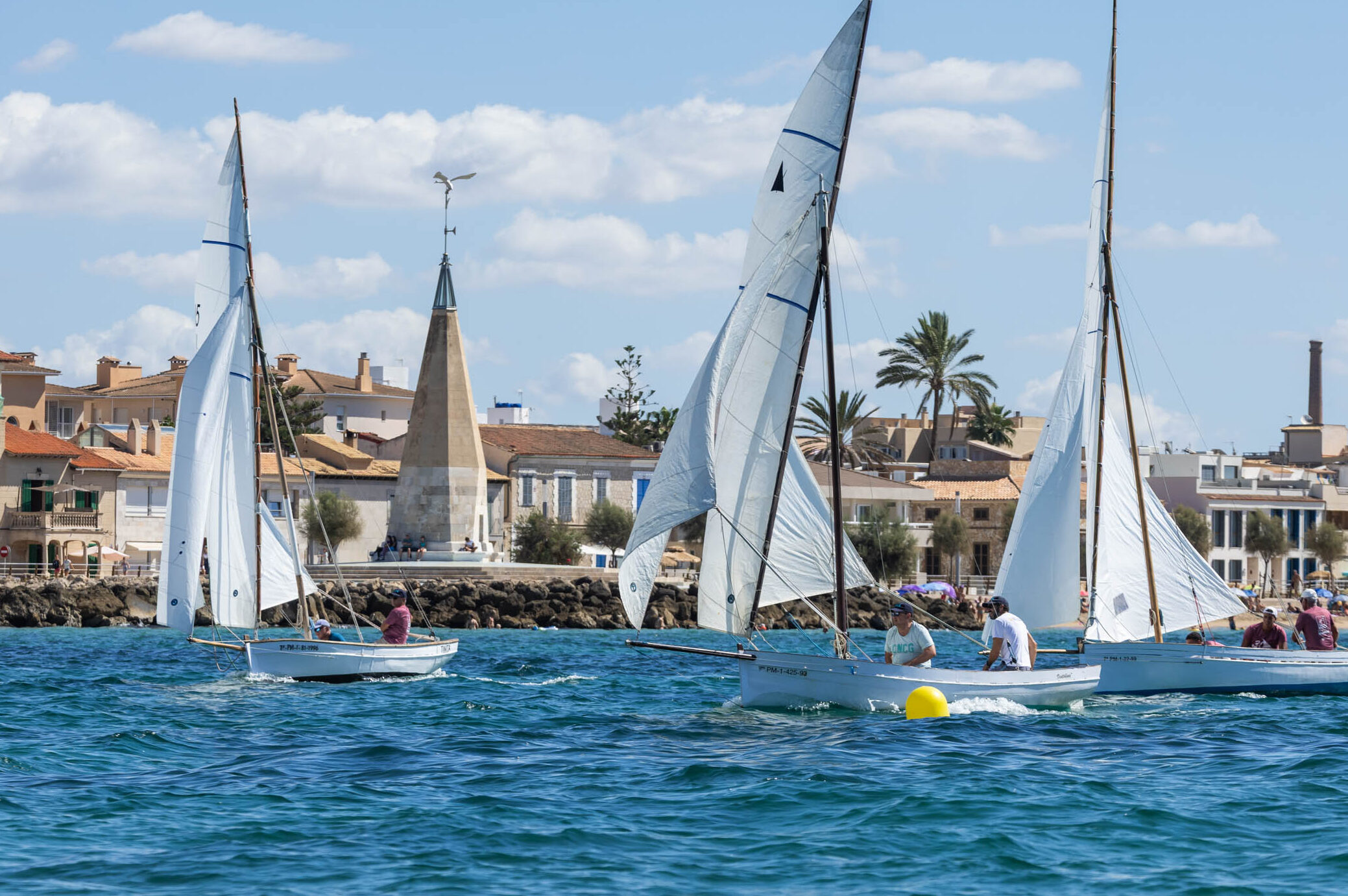
Beyond the sporting results, the Diada has once again highlighted the cultural value of lateen-sail boats and traditional vessels. The competition is complemented by a more recreational and participatory aspect, as some boat owners come to Cala Gamba intending to compete, while others simply prefer to sail and spend the day with fellow enthusiasts. This combination largely explains the open and family-friendly atmosphere the event has developed over its thirty editions.
The maritime activities were complemented by a social and cultural program. Participants shared a fellowship lunch accompanied by live music, while the exhibition Vent i Pigment, by watercolorist Juan V. Aguilar Caballero, added an artistic dimension to the celebration and will remain open at Cala Gamba through September 20. The proximity of the regatta courses to shore also allowed the public to watch the boats’ maneuvers up close.
The presentation of trophies and gifts brought this year’s event to a close, confirming the current strength of traditional Balearic sailing and the role of the Club Nàutic Cala Gamba in its preservation. La Diada not only keeps alive a form of sailing closely linked to the islands’ maritime history, but also helps to pass on the knowledge, techniques, and culture associated with boats that, in many cases, form part of a veritable floating museum.
The 30th Mallorca Lateen Sail Regatta was sponsored by Toyota Mediomotors Mallorca and Fan Mallorca Shopping, with the collaboration of the Palma Fishermen’s Guild, Carrefour, the Pla de Mallorca Designation of Origin, Sa Calma Boats, Quely, and the Consell de Mallorca.