







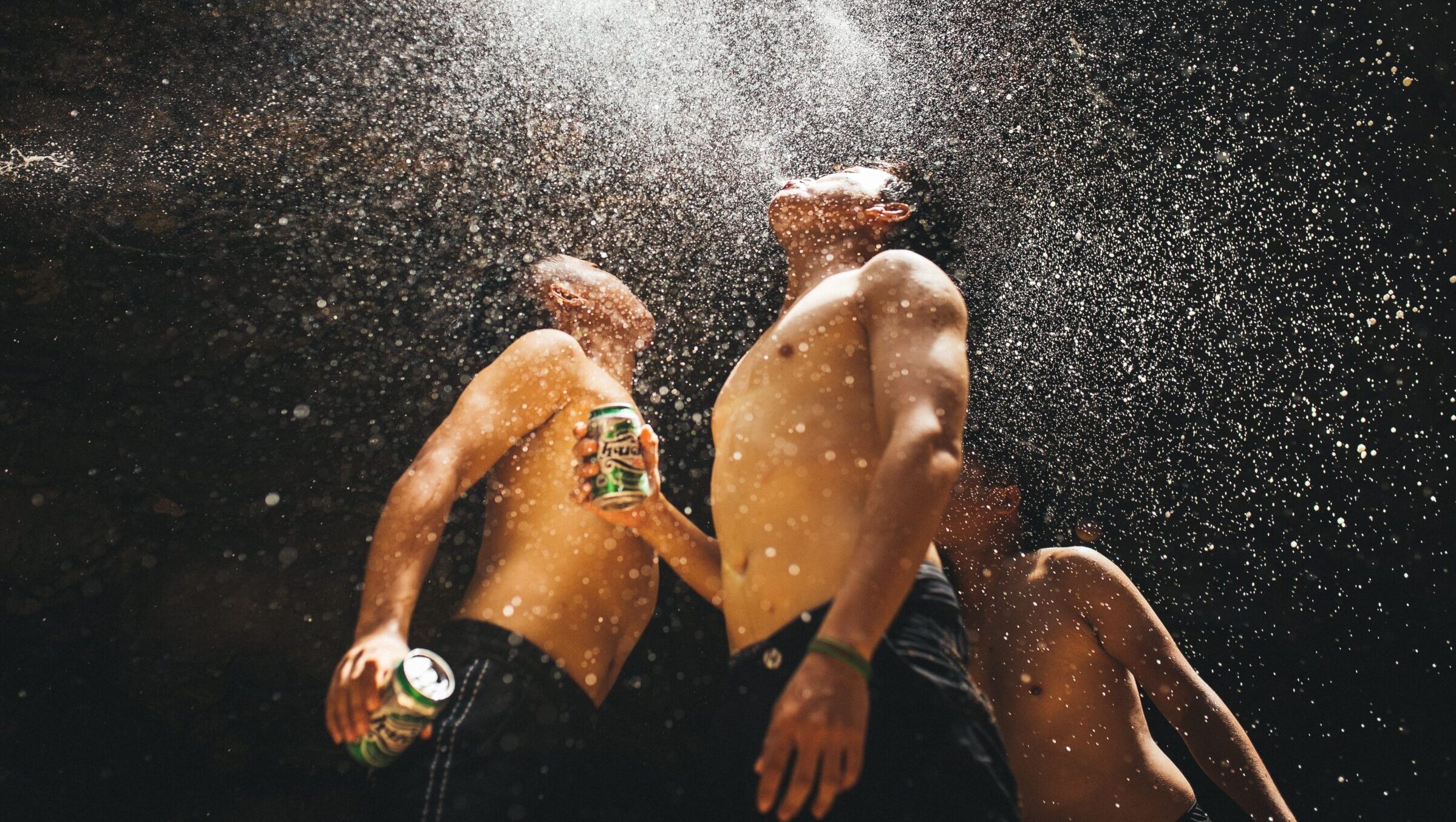
The Balearic Islands are taking measures against a drink that is becoming increasingly common among teenagers. Starting this Wednesday, minors under 18 will not be able to buy, receive, or consume energy drinks—not even through third parties—anywhere in the archipelago. Establishments that violate the ban face fines of up to 60,000 euros.
The measure takes effect after the Generalitat government approved the emergency decree on urgent measures to protect public health last Friday. As a result, energy drinks will now be subject to age-restriction sales similar to those already in place for products like alcohol and tobacco.
The goal is to combat a habit that has spread rapidly among young people. The figures explain the authorities’ concern: according to the Estudes 2023 survey, 47.7 percent of students between the ages of 14 and 18 said they had consumed energy drinks in the last month. Nearly one in five—19.5 percent—also admitted to mixing them with alcohol.
What counts as an energy drink?
The new regulation does not apply to all caffeinated soft drinks. The regulation defines energy drinks as non-alcoholic beverages containing 15 milligrams or more of caffeine per 100 milliliters, in accordance with the criteria set out in European Regulation 1169/2011 on food information.
In practice, they are products that normally combine a high dose of caffeine with sugars and other stimulating ingredients, such as taurine, guarana, or glucuronolactone. The problem, according to health authorities, is not limited to caffeine. Regular consumption of these drinks by minors has been linked to risks such as obesity, type 2 diabetes, and an increased risk of cardiovascular disease. And there is one particularly concerning scenario: when these drinks are mixed with alcohol.
This combination can reduce the perception of intoxication and give consumers a false sense of control. This can encourage higher alcohol consumption and increase the likelihood of risky behaviors. The ban is not just a recommendation. The sale, supply, or provision of energy drinks to minors is classified as a serious offense under the Balearic Islands Law on Drug Dependence and Other Addictions.
The penalties range from 6,001 to 60,000 euros, placing direct responsibility on the stores and distributors that allow these products to be accessed by minors. The legislation’s entry into force now requires that supermarkets, hypermarkets, small stores, and distributors review their sales procedures and, in particular, their age verification systems.
The change requires the retail sector to adapt, a fact acknowledged by the regional government itself. However, the Government of the Balearic Islands has highlighted the cooperation and willingness shown by retailers, whose involvement will be key to ensuring that the new ban is an effective measure.
Because the challenge isn’t simply to remove a drink from young people’s shopping carts. It’s about curbing a consumption pattern that, in just a few years, has become an everyday habit for a significant proportion of teenagers.