







After several months of uncertainty, meetings, and an intense search for solutions, the long presence of Spanish hotel chains in Cuba comes to an end. Yesterday’s announcement that Meliá is ceasing its operations on the Caribbean island ends a relationship that has lasted more than three decades, one that has helped consolidate Cuba as a tourist destination, brought prosperity to the island, and strengthened ties between the two countries.
Meliá’s withdrawal – which will take effect at all levels as of July 24 – has been under consideration since at least last year, when pressure from the Trump administration intensified. It is worth noting that the Mallorcan company became the market leader in Cuba, operating up to thirty hotels.
A predictable outcome
Meliá’s withdrawal comes at the same time as that of Iberostar and Barceló, which have also confirmed their withdrawal from the Cuban market. Last June, in a press conference held in Madrid, Raúl González, CEO of EMEA for Barceló Hotel Group – which operated two Gran Caribe hotels – stated that the group was strictly complying with U.S. regulations to avoid any controversy and that they would make a decision once the contract binding them to the properties had expired. In the case of Iberostar, the withdrawal had begun earlier, in early June, when it divested 12 properties, and in July it completed the withdrawal of the remaining six.
In addition to the hardening of U.S. policy toward Cuba under the current Trump administration, the prolonged deterioration of conditions within the tourism sector in recent years – affected by numerous problems with the supply of energy and goods, as well as the collapse of ancillary services and staff shortages—and the steady decline in international visitors, are the cause of this withdrawal by Spanish hotel chains, which had been foreshadowed over the past two years.
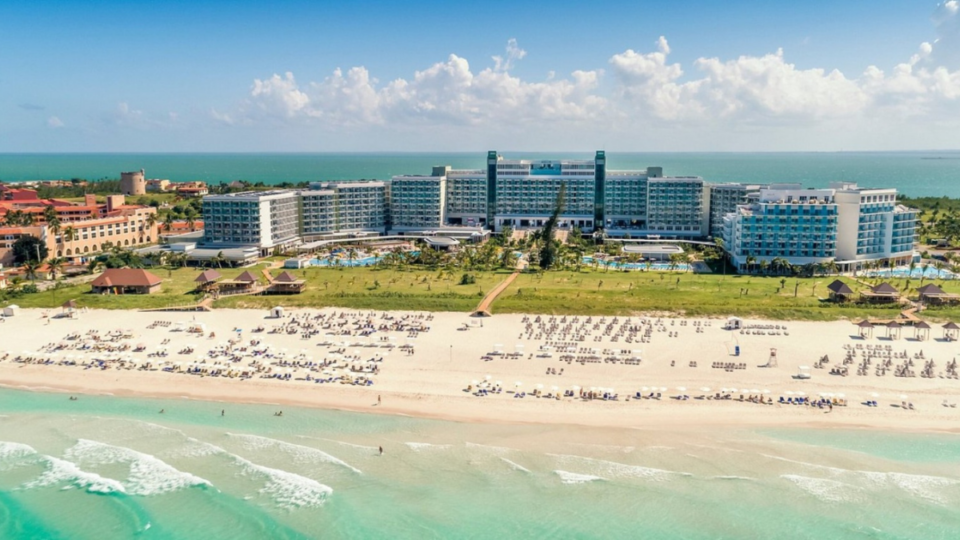
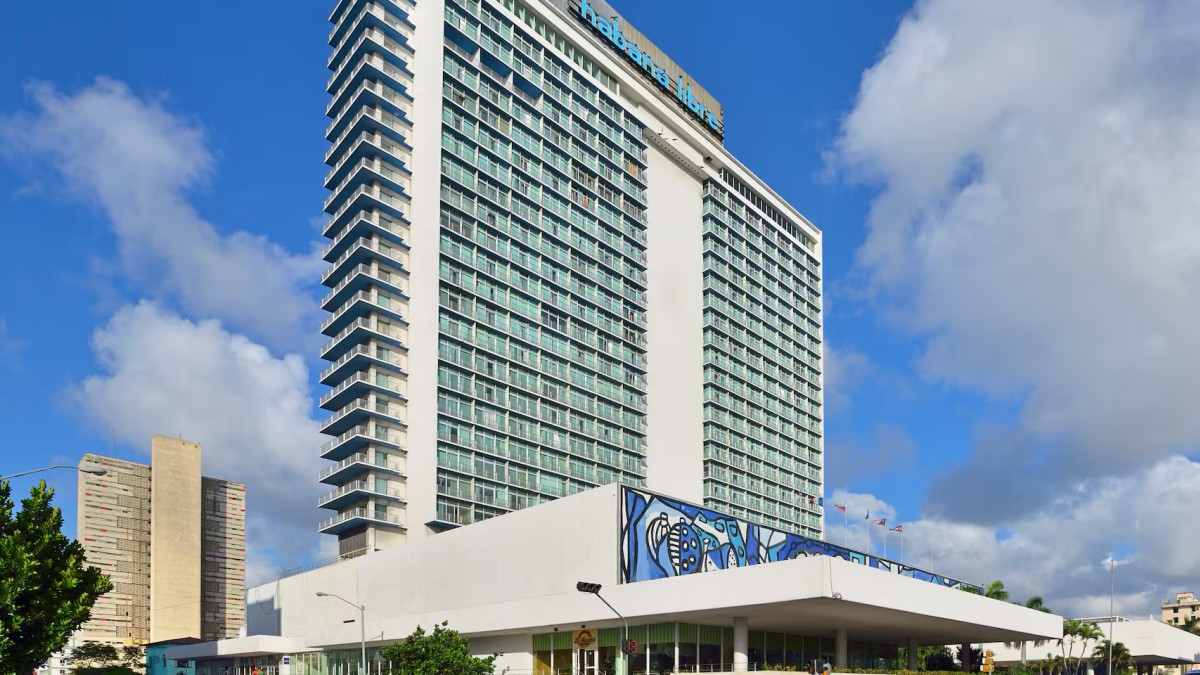
Over the last few decades, numerous Spanish hotel chains have shaped the evolution of Cuba’s tourism industry, modernizing and promoting tourist destinations like Varadero and Cayo Santa María, as well as investing in the renovation and construction of the best hotels in Havana and Santiago de Cuba: Currently, they total more than 35,000 rooms, which represents 35 percent of Cuba’s hotel capacity.
These establishments, which are always managed in collaboration with local government agencies – such as Gaesa or Gaviota, which are under scrutiny by the U.S. administration – and whose future is currently uncertain, beyond simply being managed by these same organizations, although there are already voices warning of a possible “invasion” by large American hotel groups, such as that of Eduardo Soriano, president of the Official Chamber of Commerce of Mallorca.
Historically, Cuba has been a favorite destination for North Americans – especially Canadians and Mexicans – as well as for Spaniards and Italians, but in recent years it has been losing ground in the plans of hotel chains: Recently, other companies like Minor (formerly NH), which withdrew from the island earlier this year, have followed suit, as have Roc Hotels (which recently closed three of its four hotels) and Blau Hotels (which withdrew from its three properties).