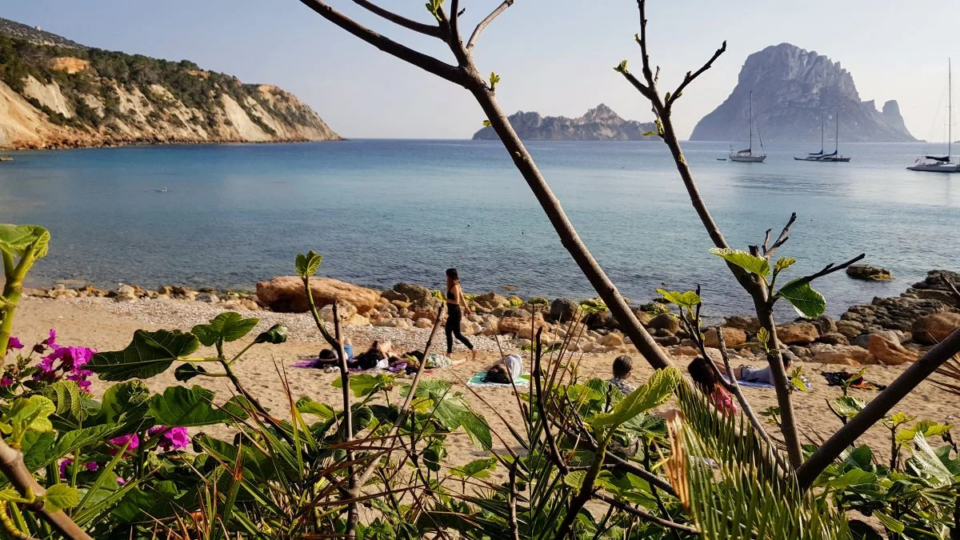








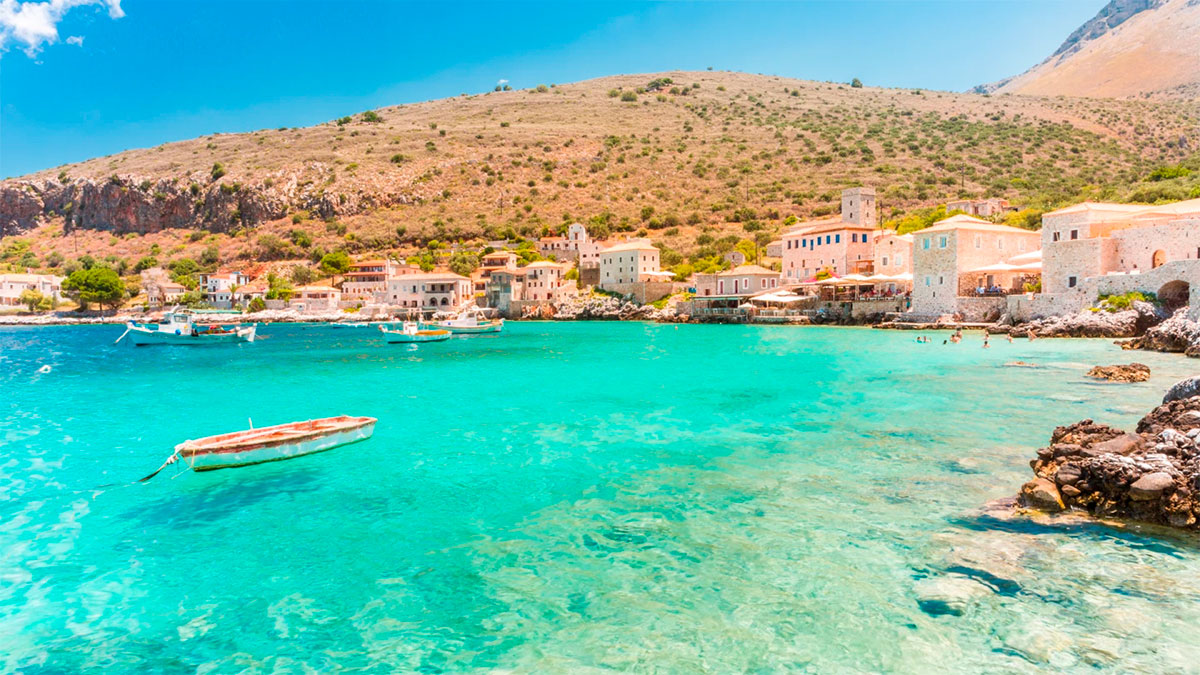
As Europe endures one of the most intense heat waves in its history, travelers are flocking to beaches, lakes, and rivers to cool off. But not all bodies of water are as clean as one might hope. A new report from the European Environment Agency (EEA) reveals where Europe’s cleanest bathing waters are located.
The EEA’s annual report, prepared in collaboration with the European Commission, assessed more than 22,000 bathing areas throughout the European Union, as well as in Albania and Switzerland, measuring water quality at beaches, lakes, and rivers. It is one of the most comprehensive annual assessments of recreational water quality in the world.
The EU Bathing Water Directive, adopted in 2006, established stringent standards that have significantly improved water quality throughout Europe. The assessment process classifies waters into four categories: excellent, good, sufficient, and poor. An “excellent” rating indicates that the water meets the highest standards of cleanliness and safety, making it ideal for swimming and other recreational activities.
I’ve covered this ranking in both 2025 and 2024, and the latest report once again places many of Europe’s favorite and most popular beach destinations at the top. This also aligns with another recent ranking of the world’s 50 best beaches, in which Europe claimed a large share of the planet’s most spectacular stretches of sand.
This year’s results tell another success story. Across Europe, 96% of bathing waters met at least the EU’s minimum quality standards, while 85% received the highest rating (excellent). Only 1.5% of the monitored areas were classified as poor.

The cleanest bathing waters in Europe
When considering all bathing areas—from Mediterranean beaches to Alpine lakes—Cyprus ranks first. This year, the island achieved a perfect score, with all monitored bathing areas rated as excellent.
This comes as no surprise to anyone who has swum at Cyprus’s famous beaches. The island is known for its calm, crystal-clear waters and its long stretches of Blue Flag coastline. Although Cyprus has relatively few inland swimming areas compared to other countries in the study, it achieved something no one else did this year: every single one of its monitored swimming areas received an “excellent” rating.
Greece, Bulgaria, and Austria—ranked second, third, and fourth, respectively—followed closely behind, with more than 95% of their bathing waters rated as “excellent,” demonstrating that exceptional water quality is not limited to just one corner of Europe. Greece’s result is particularly noteworthy given the vast number of beaches spread across thousands of islands and an extensive mainland coastline.
Bulgaria continues to exceed expectations. Although it is often overshadowed by destinations such as Greece and Italy, the country has become one of Europe’s top swimming destinations, thanks to the exceptionally clean waters of its Black Sea coast and its strong environmental performance. For its part, Austria proves that you don’t need an ocean to rank among Europe’s cleanest swimming destinations. Its Alpine lakes are among the cleanest freshwater swimming spots on the continent.
Luxembourg rounds out the top five. Although the country has relatively few monitored bathing waters, its rivers and lakes score exceptionally well. One of the biggest surprises in this year’s report is Croatia. Long celebrated for its crystal-clear Adriatic coastline, the country had ranked among the best in Europe in previous years. But in 2026, weaker results at its inland bathing sites have dropped it to 12th place in the overall ranking.
At the opposite end of the table is Albania. Although the Albanian Riviera has become popular among travelers, water quality remains inconsistent throughout the country: only 16.8% of the monitored Albanian bathing areas were rated as excellent. Other countries at the bottom of the rankings include Estonia, Poland, Hungary, and Belgium, with less than 70% of their bathing waters rated as “excellent.”
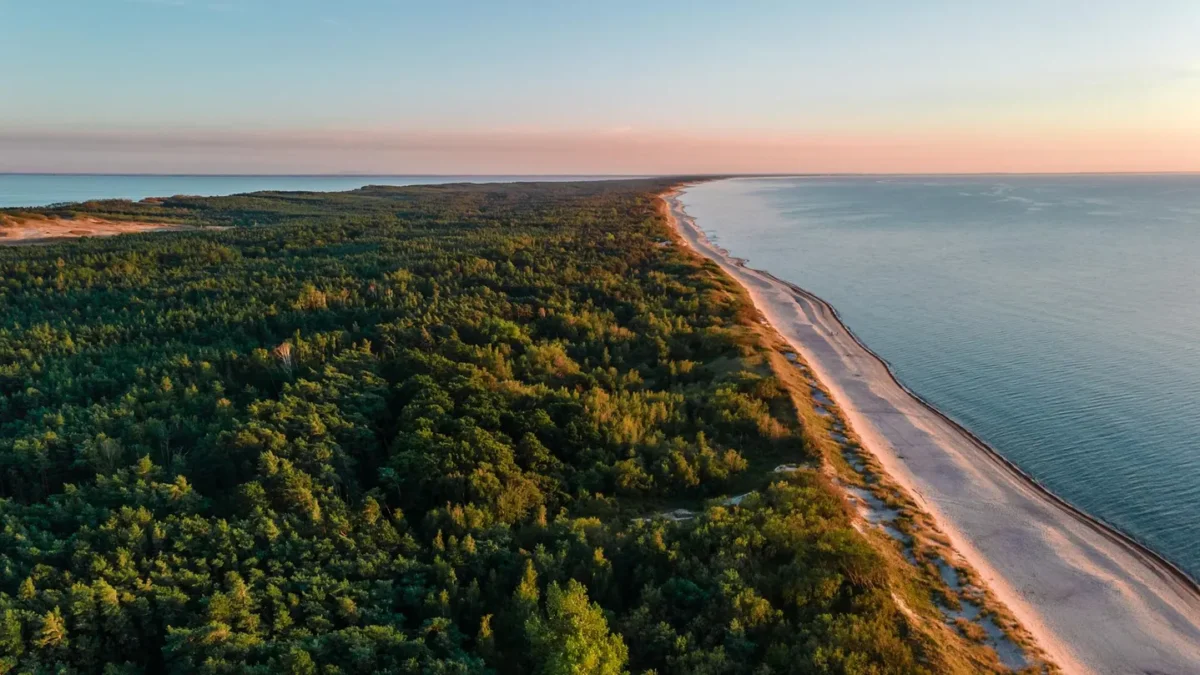
The cleanest coastal waters in Europe
The study also distinguishes between coastal and inland bathing waters, and the coastal ranking holds a few surprises. This year, Cyprus, Lithuania, and Slovenia achieved perfect scores on the coastal list, with all of their monitored coastal bathing areas rated as “excellent.” However, there is one important caveat: Lithuania and Slovenia have relatively short coastlines and few monitored beaches.
Greece (in fourth place) and Bulgaria (in fifth) also achieved exceptional results, with excellent water quality at hundreds of popular swimming spots.

The cleanest inland waters in Europe
Europe’s coastal beaches tend to steal the spotlight, but you can also find clean water inland. Austria once again leads the way in freshwater swimming, taking first place in the inland rankings. Virtually all of the lakes and rivers monitored in Austria were rated “excellent,” reinforcing the country’s reputation as one of Europe’s top swimming destinations. Finland achieved outstanding results, ranking second. Denmark, Luxembourg, and Germany rounded out the top five for inland waters.
There is a clear trend: coastal waters are cleaner than inland bathing sites. According to the EEA, 88% of Europe’s coastal bathing waters were rated as “excellent,” compared with 78% of inland lakes and rivers. Rivers remain particularly problematic, with less than half of designated river bathing areas achieving “excellent” status. Heavy rainfall, agricultural runoff, and sewage overflows can temporarily affect the quality of inland waters.
So, whether you’re planning a beach vacation in Cyprus, hopping from island to island in Greece, exploring the Bulgarian Black Sea coast, or cooling off in Austria’s Alpine lakes, this ranking offers a helpful guide to the cleanest places to swim in Europe. Here is the complete list.
Ranking: Europe’s Cleanest Bathing Waters
- Cyprus — 100%
- Greece — 97.1%
- Bulgaria — 96.9%
- Austria — 96.5%
- Luxembourg — 94.1%
- Denmark — 92.4%
- Germany — 90.9%
- Italy — 89.8%
- Malta — 88.5%
- Lithuania — 86.7%
- Spain — 86.6%
- Croatia — 86.2%
- Latvia — 84.7%
- Finland — 84.5%
- Switzerland — 84.4%
- Romania — 84.0%
- Portugal — 82.0%
- Czech Republic — 79.7%
- Ireland — 78.4%
- Sweden — 77.7%
- Slovenia — 75.5%
- France — 74.4%
- Netherlands — 70.9%
- Slovakia — 70.0%
- Belgium — 67.9%
- Hungary — 64.0%
- Poland — 58.7%
- Estonia — 56.9%
- Albania — 16.8%