








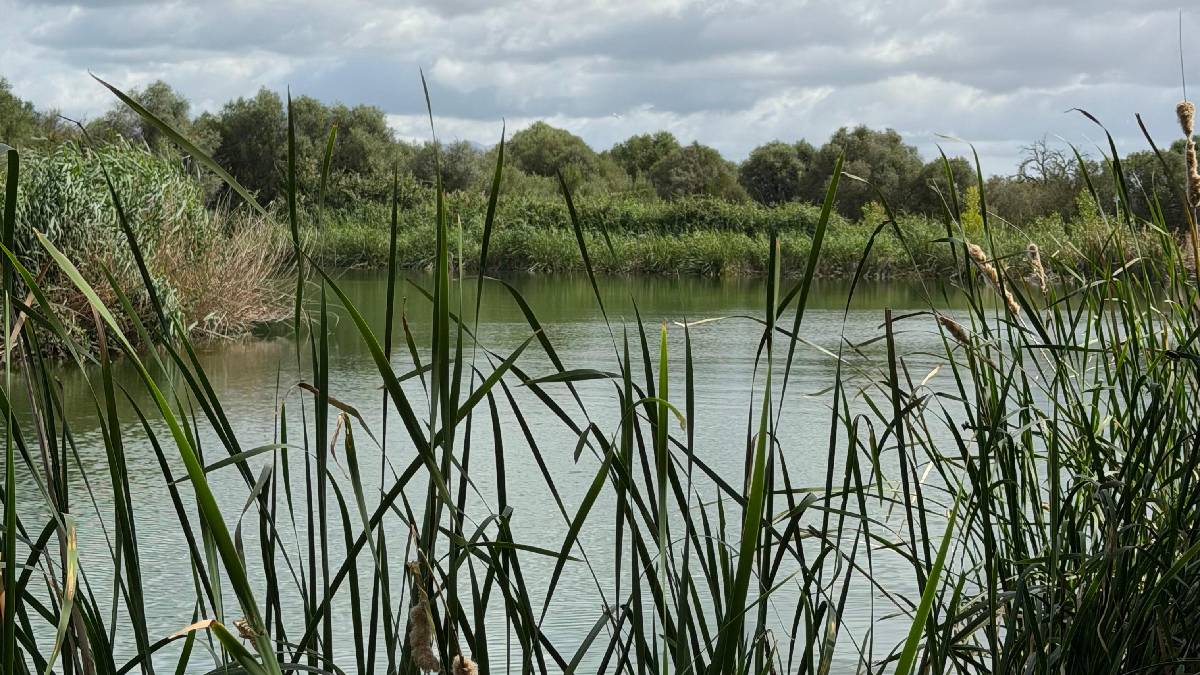
The Regional Ministry of the Sea and the Water Cycle has launched the bidding process for the detailed design of a project to improve biodiversity in the evapotranspiration and infiltration ponds at Can Figuera, which were created as a result of the operations of the Binissalem wastewater treatment plant. The budget for the construction work amounts to just over 284,000 euros, and the expected completion time is three months, according to the Department.
This project is part of the investments in this facility, where construction work totaling 900,000 euros is currently underway. On the one hand, the work aims to improve the treatment process and automation equipment; on the other hand, it aims to digitize and monitor discharges. Work is scheduled to begin at the end of the year and is expected to be completed before next summer, in coordination with the other improvement project at the wastewater treatment plant itself.
The Can Figuera lagoons receive effluent from the Binissalem wastewater treatment plant (WWTP) and function as a natural secondary treatment system. Aquatic and riparian vegetation interacts with the treated water by breaking down emerging pollutants, as the settling process in the lagoons and the effects of the vegetation enhance and improve the level of treatment achieved by this plant.
In addition, the infiltration that occurs in these ponds helps recharge the Quaternary aquifer, which supplies water to the region’s agricultural areas and serves as a reservoir for irrigating the surrounding fields. Improving the quality of the infiltrating water therefore directly benefits the local water cycle and agricultural activity in the area.
To enhance this treatment capacity, the project includes a series of measures related to the vegetation aimed at increasing and improving the effect of these plants on the quality of the final effluent.
These measures diversify the ecosystems within the lagoons, increase the plants’ surface area in contact with the water, and improve the removal of nutrients and micropollutants before the effluent reaches the aquifer.
One notable aspect of this project is the removal of invasive reeds that colonize the shores of the lagoons, thereby promoting the growth of native vegetation. This is achieved by pulling up the rhizomes, a technique that has proven to be the most effective for this purpose.
To ensure minimal impact on wildlife and the ecosystem, non-native species—such as Florida frogs and turtles—will also be removed at the start of the work and relocated so they can later be reintroduced to the areas where the work was carried out.
The restored areas will be replanted with clusters of native trees and shrubs, such as ‘Tamarix gallica’ tamarisk groves, elms resistant to Dutch elm disease, and ash trees, along with measures to prevent the spread of reeds.
In the hydraulic system, a control system for any floating debris will be installed at the stormwater spillway, along with manholes, inspection chambers, and valves to improve the connection between the two ponds, which will enhance the control of water flow in the system.
This project completes the package of measures at the facility, where a project worth 950,000 euros is currently underway to improve civil engineering works, equipment, and process systems designed to improve treatment quality, enhance performance during heavy rainfall, and receive discharges from trucks that collect wastewater from scattered communities—which had been left without a treatment facility in Mallorca following the closure of the Inca plant for this type of waste.


