








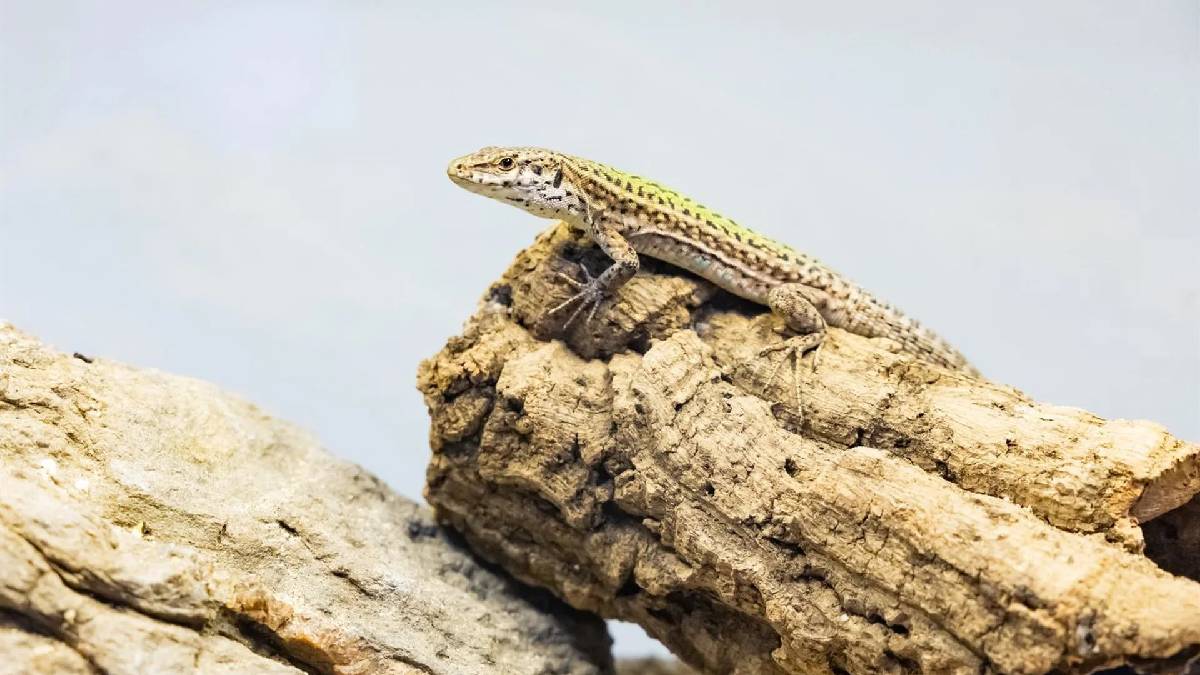
The Ministry of Agriculture, Fisheries and Environment has held the second meeting of the working group on the conservation of the Pitiüses lizard ('Podarcis pityusensis') in Ibiza, with the aim of strengthening institutional, scientific, and technical coordination in the protection of this endemic species.
According to a statement issued by the Ministry, the Director General of Environment and Forest Management, Anna Torres, presided over the meeting by videoconference, which was attended by technical staff from the competent authorities, researchers, and representatives of organizations specializing in wildlife conservation.
During the session, the main progress made in the species' conservation strategy was analyzed, with special attention to the results of the captive breeding program carried out at the Barcelona Zoo.
This program currently includes about 50 breeding individuals from Ibiza, Formentera, and several particularly vulnerable islets, and is a key element for preserving the genetic diversity of the pitinesa lizard.
The Director General highlighted that this working group allows for the consolidation of a shared strategy among public authorities, the scientific community, and specialized organizations, with the goal of "ensuring the effective conservation of the Pitina lizard and its future in the wild."
"We are establishing a stable and coordinated approach that reinforces the Government's efforts to protect biodiversity and preserve one of the most unique and iconic species in our archipelago," he said.
The working group has also addressed the expansion of the 'ex situ' conservation program, with the possible inclusion of new partner organizations and the initiation of contacts with the Iberian Association of Zoos and Aquariums (AIZA).
Within this framework, Torres explained, the selection criteria for priority populations to be included in the conservation programs have been revised, with the goal of strengthening the species' genetic representativeness and ensuring its long-term viability.
Additionally, progress has been made in defining common protocols for ex situ breeding and the technical requirements necessary for integrating new specialized centers into the conservation network.
Regarding in situ conservation, the first safe refuge for the pitina lizard has been presented, and plans for new sites of this kind in Ibiza have been analyzed.
This set of measures will allow for the establishment of a network of safe refuges throughout the territory, designed as a strategic tool to strengthen the species' protection in its natural habitat and increase its resilience to the main threats.
Additionally, the meeting addressed the situation of the Balearic lizard ('Podarcis lilfordi') and measures to control invasive snakes in natural areas of Mallorca. The goal is to protect native lizard populations and strengthen the management of invasive species.
Similarly, an update was presented during the meeting on the progress of a project linked to the LIFE program, which aims to strengthen conservation measures and expand scientific knowledge about the pitina lizard.
The meeting concluded with a strategic working session focused on selecting new populations for ex situ conservation programs and defining the management model for safe havens.


