








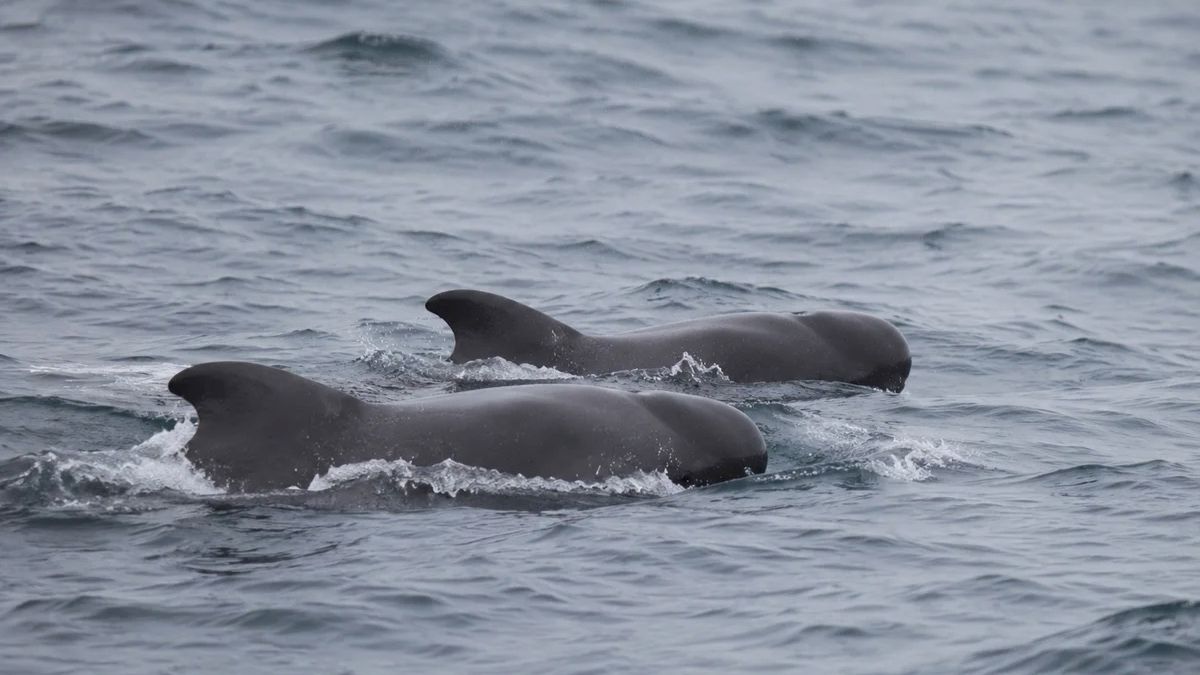
When we think of the Mediterranean, we picture beaches crowded with seasonal tourists, but in recent years that has been changing. And while it may not be the first place that comes to mind when talking about whales, one of the most exciting experiences you can have along the Catalan coast when the weather turns warm is whale watching between April and June. Among them is the fin whale (Balaenoptera physalus), the second-largest whale in the world after the blue whale, a protected species that can be spotted off the coast of Garraf—an area rich in krill, small crustaceans similar to shrimp and the whales’ favorite food—during their migration to the northwest Mediterranean.
What was once a rarity is becoming a prominent natural phenomenon along the Barcelona coastline, blending science, tourism, new economic opportunities, and environmental debate. In fact, a year ago, the coastal waters of Vilanova i la Geltrú were designated as the first “Hope Spot” on the Iberian Peninsula, an honor bestowed by the international Mission Blue Foundation for the conservation of marine biodiversity in general and of fin whales and dolphins in particular.
El Garraf, on the route of the large cetaceans
In this regard, a new generation of entrepreneurs—traditionally associated with recreational boating or nautical training—has emerged and begun to specialize in whale-watching experiences. One such example is Ricard Prehn, founder and CEO of the nautical school Escuela Náutica Altair, based in Port del Garraf and founded in 2014. He has over 25 years of experience in the training and boating sector and has trained thousands of students, including both children and adults.
Currently, in addition to offering boat repair services and sunset cruises, the company also leads whale-watching expeditions along the Garraf coast, playing a very active role in these excursions, which are grounded in science and the utmost respect for the ecosystem.
According to Prehn, “the seabed topography off the coast of Garraf is quite unique because, as you move away from the coast, you go from a depth of 200 meters to underwater canyons nearly 2,000 meters deep, through which cold water rises, carrying plant matter, all kinds of nutrients, and large quantities of krill—a staple of the whales’ diet.”
It is during the months of April through June that fin whales migrate to the northwestern Mediterranean, passing along the Catalan coast and feeding on the abundant plankton and krill in the abyssal trenches off the coast of Garraf.
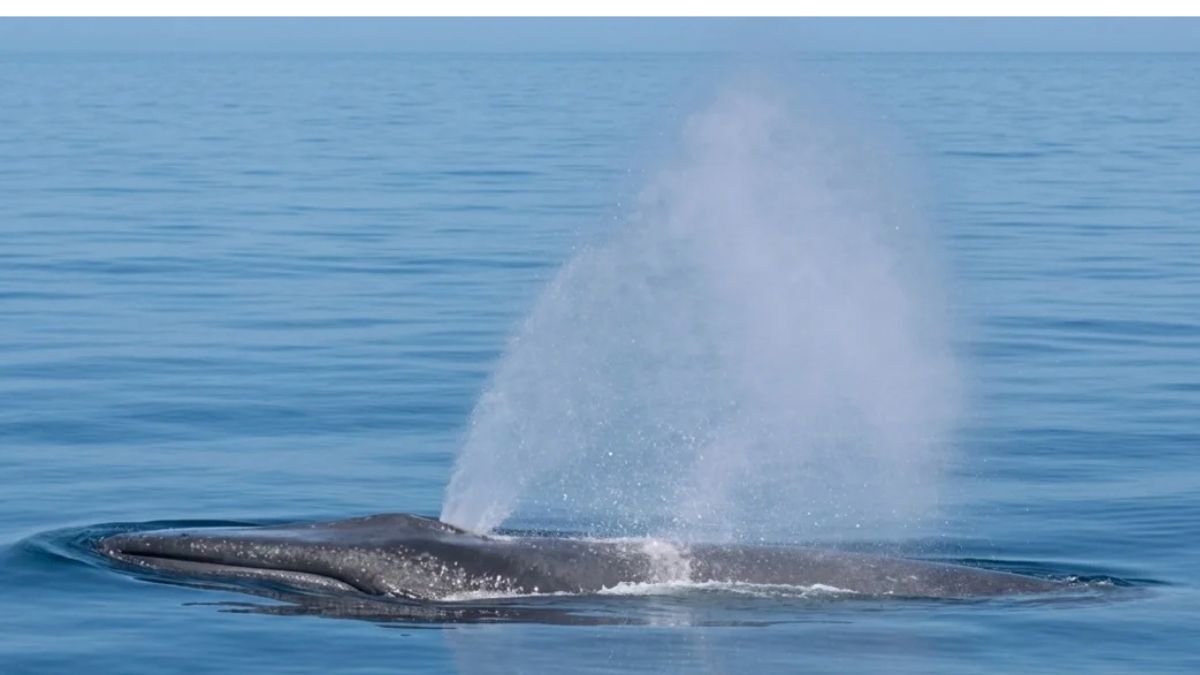
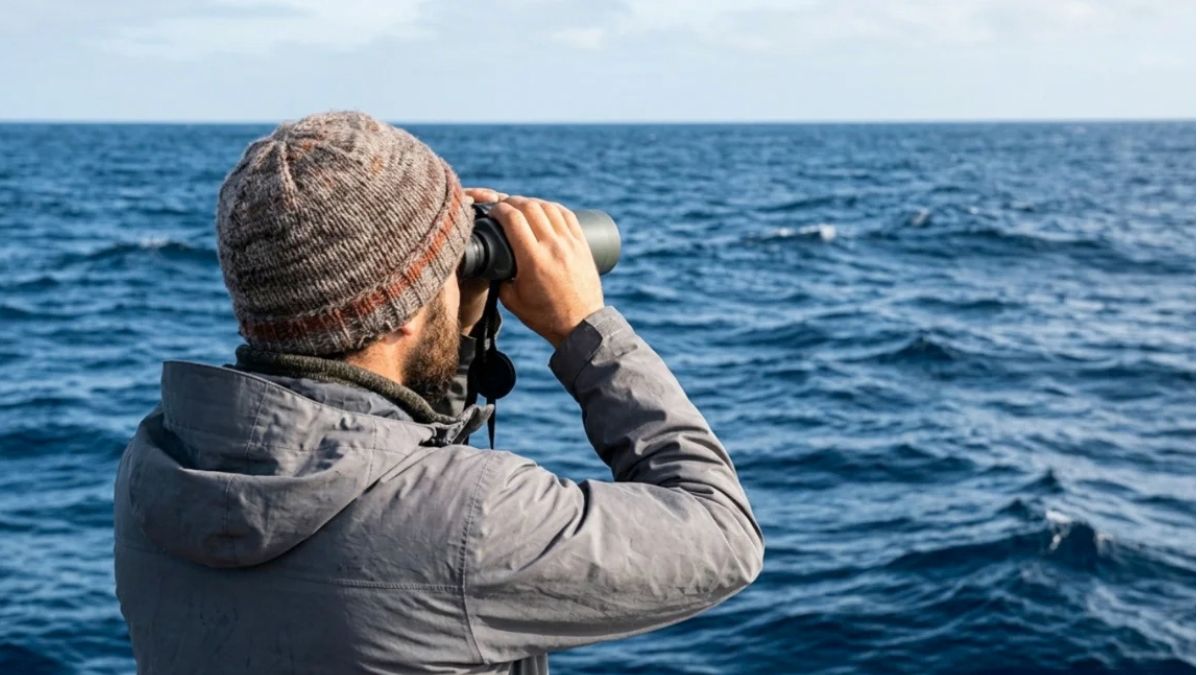
“They’re hard to spot,” explains Prehn, “but before each excursion we give a briefing, and then we set out on the ‘Bela,’ our sailboat, toward those deep-sea trenches, where people bring binoculars and can hear a fin whale’s blow—that’s when they breathe—which, from a distance, looks like a geyser or, sometimes, even a tail rising out of the water. That’s when silence falls on the boat because people realize they’re witnessing something extraordinary.”
According to regulations, boats must maintain a safe distance and avoid maneuvers that disturb the cetaceans. “There are also many dolphins, which are easier to spot because they swim alongside the bow of the boat and play with you.”
Approved by the Ministry for Ecological Transition
Altair’s operations are regulated and authorized by Spain’s Ministry for Ecological Transition and Demographic Challenge (MITECO), which indicates that the company takes a formal and responsible approach, given that the boom in whale watching involves a delicate balance.
The Mediterranean is one of the most heavily impacted seas on the planet due to heavy maritime traffic, noise pollution, and plastic waste. For this reason, environmental organizations are calling for regulations on these activities, including limits on vessel speed, minimum distances from wildlife, and the number of operators, to prevent negative impacts.
Prehn’s company is one of those that advocates this model, organizing excursions for small groups and educating customers so that each outing serves as a tool for raising awareness rather than simply a tourist product.
Prehn notes that “the ideal conditions for a trip are when the sea is as flat as a lake, with no waves, because any animal in the water will catch our attention. If there’s a splash or a ‘geyser,’ it’s easier to spot when the sea is calm. If there are waves, the splash gets lost in them, so you won’t see it unless you’re using binoculars. The problem is that most people can only go out on weekends, and sometimes the sea happens to be rough.”
The experience costs 125 euros for an individual and 850 euros for a family or group of friends, with a maximum capacity of 11 people. Most of their customers are local residents, though they also serve foreign tourists staying in the area.
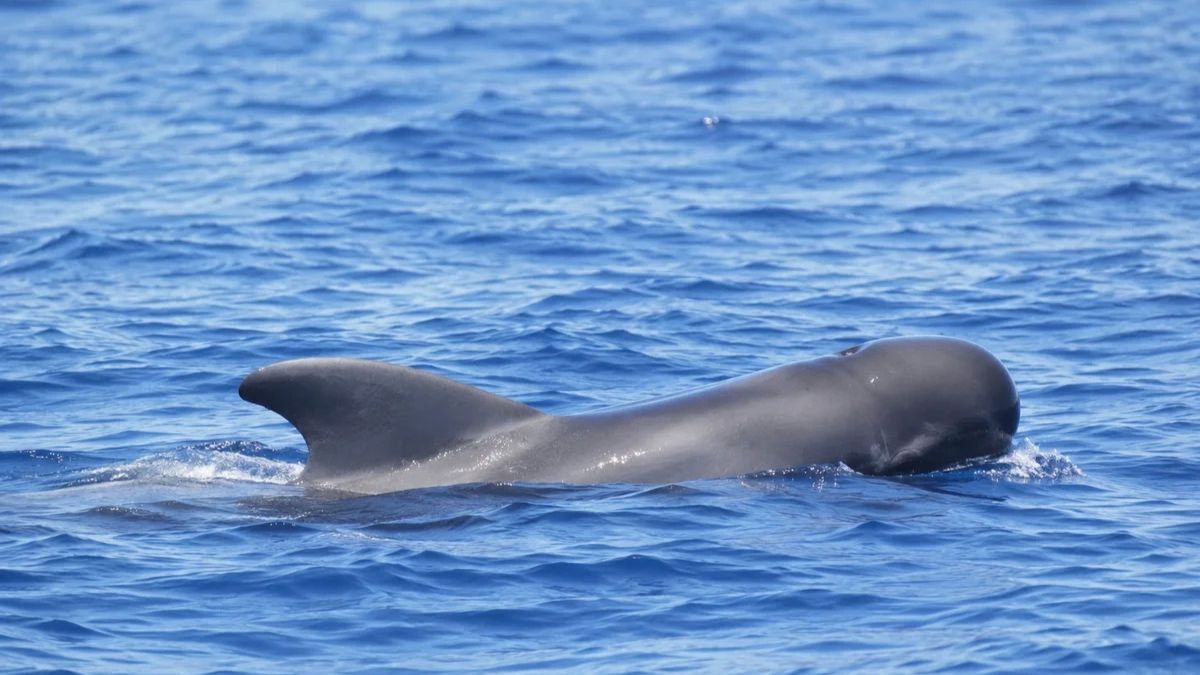
Beyond this type of business, there is a noticeable shift in how we view the sea. For decades, the Mediterranean has been perceived as a depleted, overexploited region saturated with maritime tourism, but now that we know these waters are part of important biological corridors—serving as a migration route for these large cetaceans—this has led us to question that narrative.
It is clear that, for those who take part in these excursions, the impact is immediate, as seeing a whale in the wild just a few miles off the coast is something that leaves a lasting impression due to its unexpected nature. For this reason, it is important to foster respect and a more balanced relationship with the sea, since, although the future of this type of tourism depends on preserving what attracts visitors, we must ensure that the growth of ecotourism does not repeat the same mistakes made by other, more aggressive tourism models.
The challenge now is to maintain that balance, because the true value of whale watching isn’t just being able to see them, but knowing that they’re still there.
