








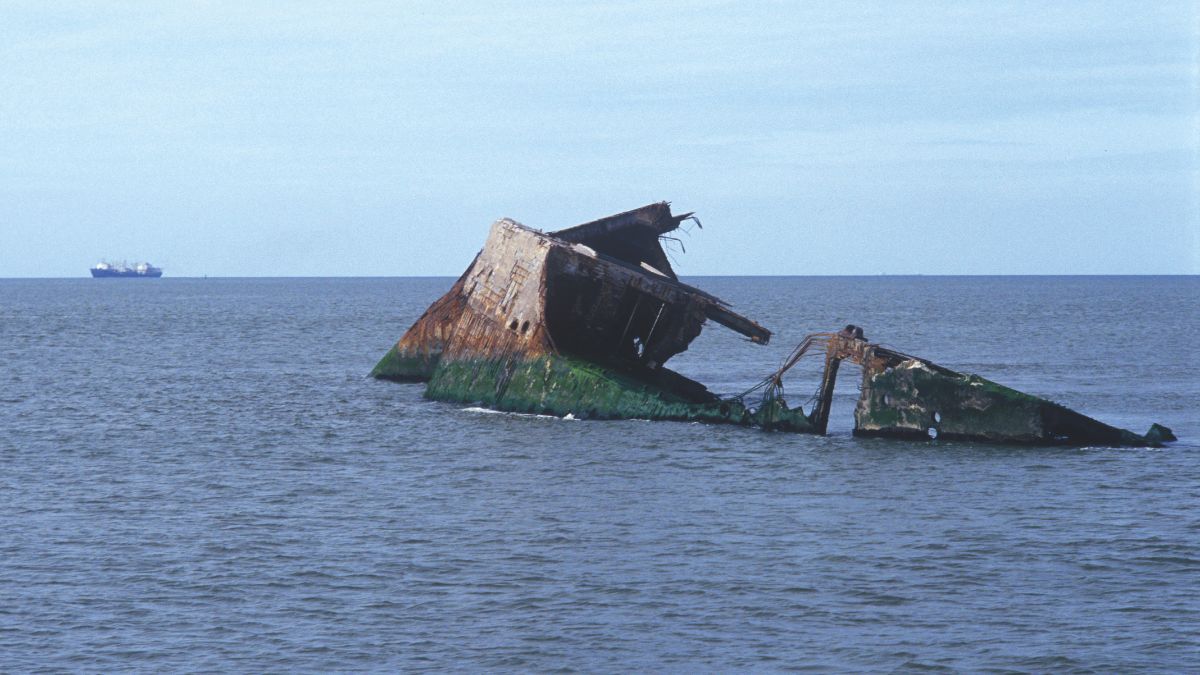
Strange as it may seem, concrete was a very common material in shipbuilding decades ago.
Although it may be hard to imagine, concrete is just as good a material as any other for building a ship, which floats thanks to Archimedes’ principle—according to which any submerged object experiences an upward force equal to the weight of the water it displaces. And, indeed, reinforced concrete ships existed for several decades and crossed both the Atlantic and the Pacific, even playing a crucial role in the D-Day landings. The invention of reinforced concrete is attributed to the French inventor Joseph-Louis Lambot, who in the 1840s began building water tanks and troughs using cement mortar (masonry) and iron reinforcements in the form of rods, wire mesh, and possibly barrel hoops. But, surprisingly, before using reinforced concrete for the structure of a house, the first thing Lambot thought to build with that material was a boat, which he tested in 1848 on Lake Besse-sur-Issole.
Following Lambot’s lead, others created a series of experimental designs in the decades that followed. But of all those early vessels, the most notable is the Norwegian ocean-going steamer Namsenfjord, an 84-foot (25-meter) vessel designed by Norwegian engineer Nicolay Knudtzon Fougner. It was launched on August 2, 1917, just as the United States entered World War I, after Germany resumed unrestricted submarine warfare and Allied ships were sinking one after another to the bottom of the ocean. With the steel supply unable to keep up with the demand for ship production, the U.S. Navy hired Fougner to design the world’s first fleet of emergency ferrocement ships, which, as luck would have it, never saw combat, because the Great War ended when only twelve of the 24 contracted ships had been completed. Their fate? Varying, but several of them became illegal floating casinos…
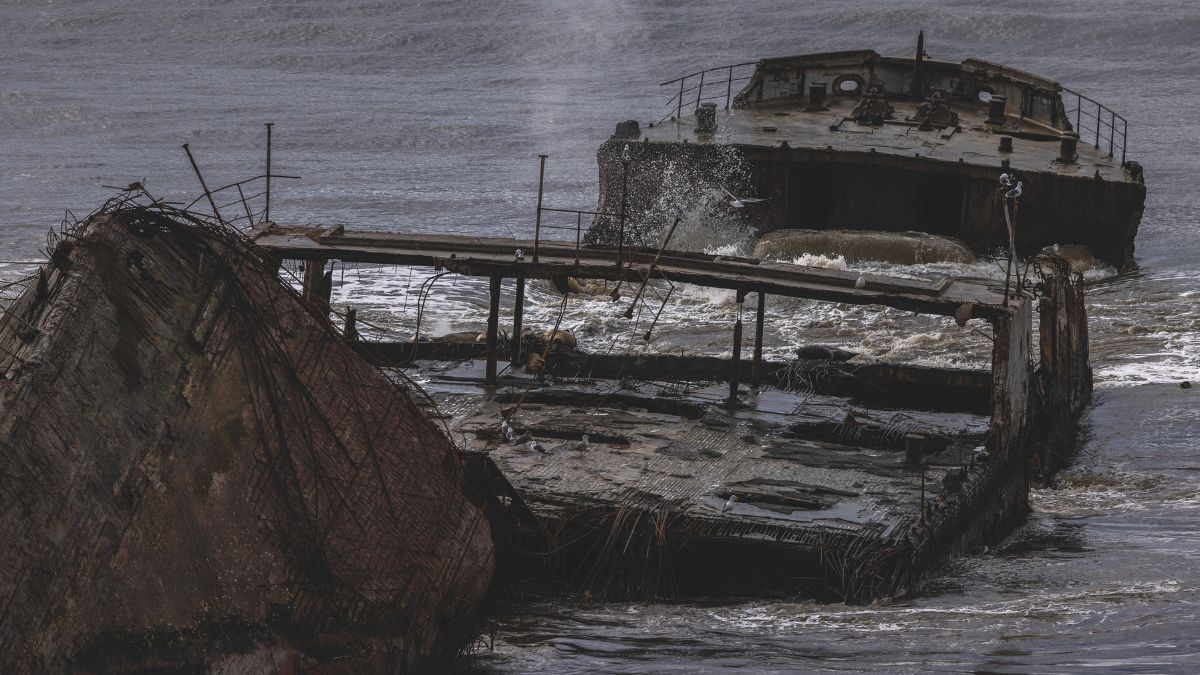
What are the advantages of reinforced concrete? It is three times less dense than steel and infinitely more resistant to saltwater corrosion. Disadvantages? Concrete ships are much heavier than those made of steel or aluminum, require thicker hulls, and consume more fuel for the same cargo and speed. Additionally, they have less structural flexibility in rough seas, perform worse under impact, and are more complex to repair. For this reason, they never became a real economic alternative to merchant or warships… although during World War II, when German submarines sank 3,000 Allied ships and steel shortages became a problem once again, the United States and the United Kingdom had to resort once more, as an emergency solution, to reinforced concrete.
