







The Spanish Institute of Oceanography has led a new campaign to map the seabed of the Balearic Islands, revealing little-known ecosystems that are essential to Mediterranean biodiversity.
High-resolution deep-water mapping
During the month of March, the team from the Balearic Islands Oceanographic Center, aboard the research vessel Ramon Margalef, carried out the OAPN-BIODIV-2026 expedition. The main objective was to improve our understanding of the seafloor topography and the benthic communities inhabiting the area between the continental shelf and the upper slope, reaching depths of up to 500 meters.
The study focuses particularly on the Cabrera Archipelago Maritime-Terrestrial National Park, where the deep-sea ecosystems remain largely unknown despite comprising the largest portion of the park since its expansion in 2019.
Advanced technology for exploring the unknown
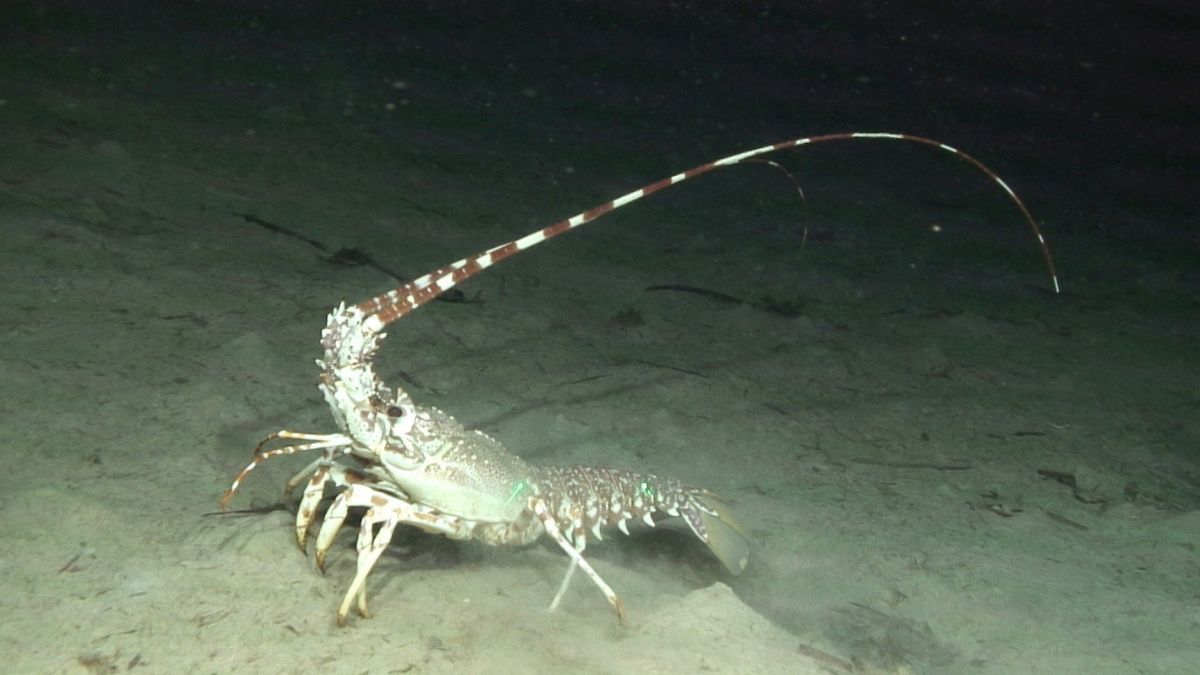
The expedition used state-of-the-art tools such as a multibeam echo sounder, capable of generating high-resolution maps of the seafloor. However, the star of the show was the Liropus 2000 ROV, which made it possible to observe and record marine life in its natural habitat in real time.
Thanks to this system, researchers have documented unexplored habitats and collected images and biological samples, which are essential for identifying species and compiling scientific inventories.
Vulnerable ecosystems of high ecological value
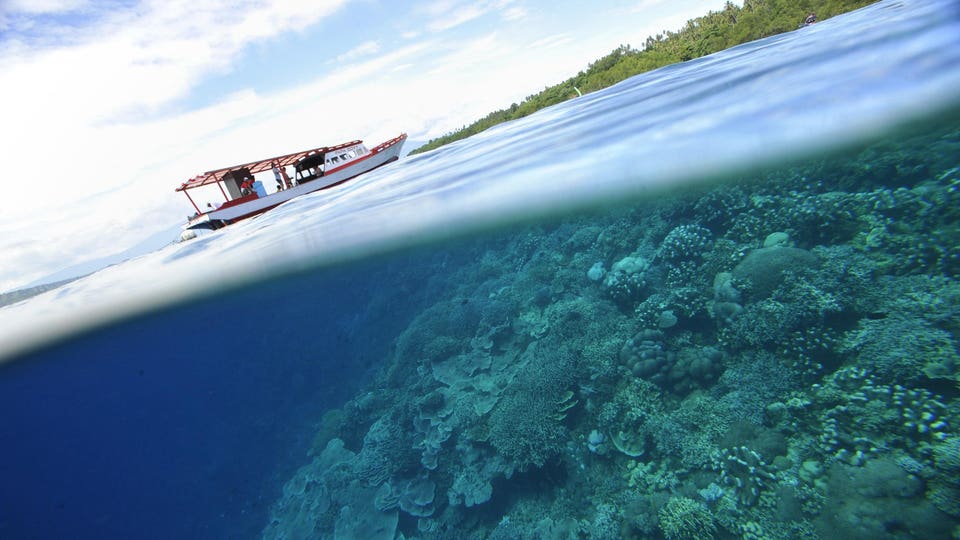
The areas studied are home to communities of sponges, gorgonians, and corals, as well as rocky seabeds and kelp forests. These sites are considered true biodiversity “hotspots” in the Mediterranean, although their vulnerability to impacts such as intensive fishing and climate change makes them conservation priorities.
The information gathered will help expand our understanding of these habitats and strengthen strategies for the sustainable management of the marine environment.
Beyond the scientific sphere, the data collected will contribute to the creation of an image database of the deep waters of the Balearic Sea, which will serve as an important educational resource. This material will help raise public awareness about the richness and vulnerability of marine ecosystems.
The campaign is part of initiatives launched by the Autonomous Agency for National Parks and funded by NextGenerationEU, under the Recovery, Transformation, and Resilience Plan.
Promoting Marine Conservation in Spain
The project is part of a broader strategy aimed at improving scientific understanding of protected marine ecosystems and strengthening their management. In this context, the OAPN plays a key role in coordinating the National Parks Network and in developing policies on conservation, sustainability, and environmental education.
The campaign also contributes to programs such as BIODIV and ESMARES3, which focus on monitoring marine biodiversity and assessing the environmental status of the oceans, in line with European objectives for the protection and sustainable use of the marine environment.