








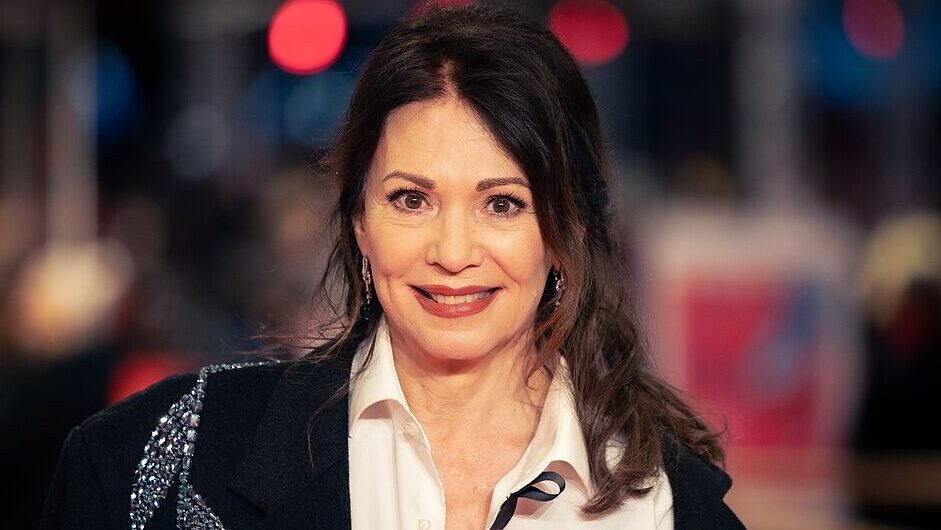
Talent has no age, but the film industry still has work to do when it comes to women. German actress Iris Berben took advantage of her presence at the Evolution Mallorca International Film Festival to highlight the need to give actresses more visibility and, in particular, to keep them at the center of stories once they pass 40.
On Wednesday, Berben received the ICON Evolution Award during the competition’s opening gala, held at the Palma Conference Centre. The actress shared the spotlight with director of photography Matthew Libatique, who was honored with the ICON Cinematography Award for his contribution to the visual language of cinema.
During a press conference held this Thursday at the Hotel Portixol alongside Sandra Lipski, the festival director, Berben highlighted one of the industry’s persistent inequalities: the decline in visibility for women as they age.
From the age of 40, you start losing your own stories: you’re someone’s wife or a supporting character. But stories don’t end at 40. “On the contrary, many of the most interesting ones begin then, when you already have life experience and have made decisions,” she said.
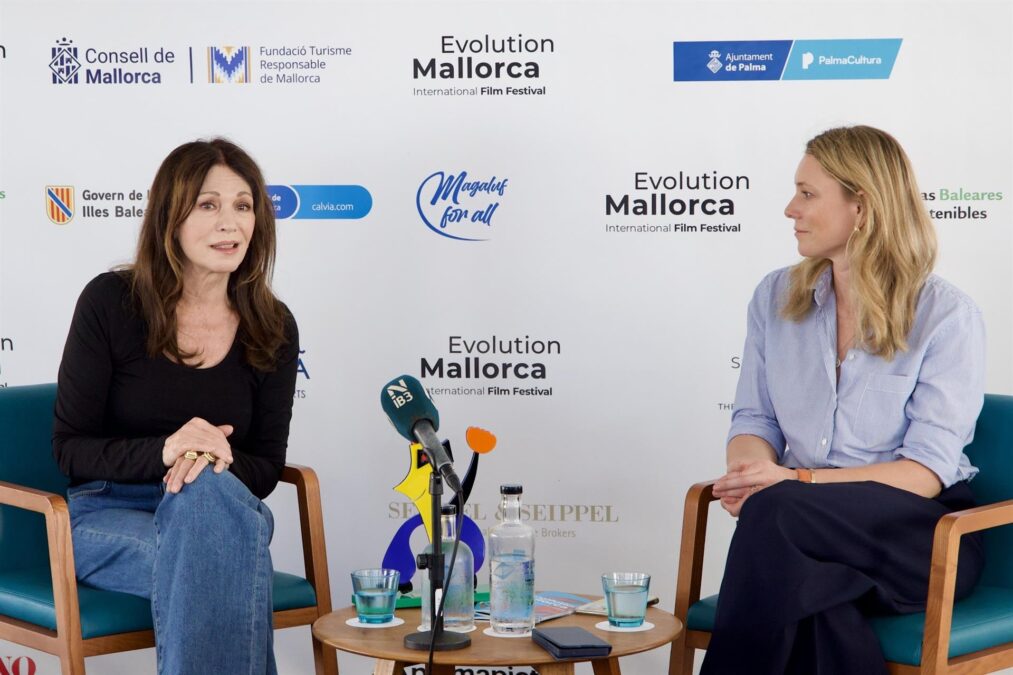
The artist also spoke in favor of creative exchange between generations and expressed her interest in continuing to be part of projects that explore new perspectives. “I feel privileged to keep working and for young people to keep counting on me,” she explained. Her curiosity, she added, remains focused on discovering how another generation writes, what their fears are, and what stories they want to tell.
Artificial intelligence was another of the topics discussed during the meeting. Berben advocated the need to establish clear rules to protect performers from the use of their image and voice, two elements that the expansion of these technologies has placed at the center of the debate about the future of the profession.
For his part, Matthew Libatique spoke about the evolution of audiovisual language from the perspective of someone who sees cinematography as a tool in the service of storytelling. The director of photography explained that his creative process begins with understanding the script and the director’s vision. Only then do the technical decisions regarding lenses, color, and lighting come into play, always subordinate to the emotions that are intended to be conveyed to the audience.
He also expressed interest in exploring the possibilities of artificial intelligence, although he questioned whether its development should be guided primarily by economic criteria. “They are trying to industrialize what we feel,” he warned. Regarding the images generated by these tools, he also posed a question that highlights one of the main challenges in the industry: “What happens to movies when they stop looking like real life?”