







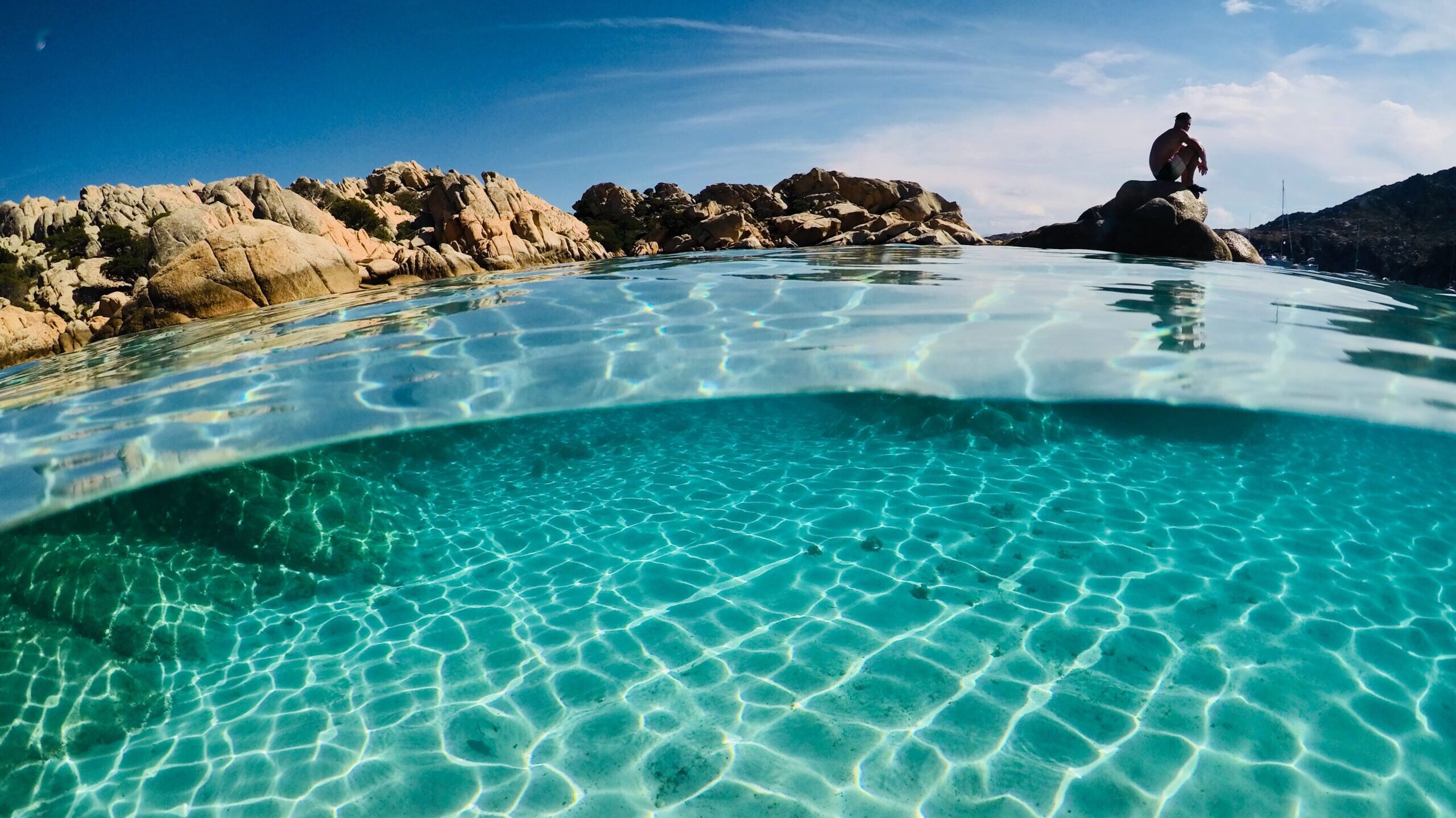
The future of the Mediterranean requires more than just environmental awareness: it demands knowledge, collaboration, and decisions capable of reconciling the protection of ecosystems with economic development. With this in mind, the Ibiza and Formentera Maritime Forum will hold its eighth edition on October 19, 21, and 22, establishing itself as a forum for reflection on some of the main challenges facing the Pitiüses.
The conservation of seagrass meadows, sustainable anchoring, the potential of the blue economy, and the consequences of climate change will be the central focus of a program that will bring together experts, institutional representatives, and professionals involved in the protection of the marine environment and the nautical sector.
The Mediterranean: at the heart of the debate
The opening will take place on Monday, October 19 at 7:00 PM at Sa Nostra Sala, with the official launch of this new edition and the recital ‘Versos por el Mediterráneo‘. The event will feature Manu San Félix, a marine biologist and National Geographic Explorer; Inma Saranova, Executive Director of Ibiza & Formentera Preservation; and Jordi Grivé, Councillor for the Environment for the Ibiza City Council.
The cultural dimension will also play a prominent role. Following the presentation, Iolanda Bonet, Eva Tur, Neus Costa, José de los Bosques, and Marga Guasch will participate in a reading recital dedicated to the Mediterranean, its natural heritage, and its value as a shared heritage. The event thus combines scientific outreach, institutional commitment, and artistic expression to address marine conservation from a perspective that goes beyond strictly environmental concerns.
The Blue Economy and Sustainability: The Challenge of Achieving a Balance
On Wednesday, October 21, Sa Peixateria will host the Forum’s main day, with morning and afternoon sessions dedicated to analyzing initiatives, challenges, and opportunities for advancing towards a more sustainable relationship with the sea.
The day will begin with a session focused on projects aimed at protecting the marine environment, featuring Esteban Morelle-Hungría, Marta Florido, and Raquel Vaquer. One of the main topics will be a debate on sustainable mooring and its impact on both the conservation of seagrass meadows and business activities related to the nautical sector. This is a strategic issue for Ibiza and Formentera, where the protection of natural resources and the continuation of marine-related economic activities must be addressed jointly.
The panel will include Xisco Sobrado of GEN-GOB Ibiza; Artal Mayans of the Council of Formentera; Ramón Van der Hooft of the Association of Nautical Companies of the Balearic Islands; Pedro Francisco Gil of the Association of Rental Companies of the Balearic Islands; and Diego de la Viña of Essence Sailing.
The diversity of backgrounds will bring a wide range of perspectives, from conservation and public management to the interests and needs of the nautical sector. The underlying goal is to move toward approaches that allow economic activity to coexist with the preservation of one of the Mediterranean’s most valuable ecosystems.
Climate Change and the Green Transition: A Transformation That Cannot Be Postponed
The morning session will conclude with a debate on the climate crisis and the green transition, featuring Cristina Monge and Isabel Moreno. The debate will address two key questions for the region’s future: how to understand the effects of the climate crisis and how to drive a green transition capable of leading to concrete solutions.
In a context where the health of marine ecosystems is closely linked to the resilience of coastal communities, the Maritime Forum once again highlights knowledge, dialogue, and cooperation as essential tools for addressing the challenges facing the Mediterranean.
With this eighth edition, Ibiza and Formentera highlight the importance of uniting conservation, responsible management, and economic activity in a single dialogue. Because protecting the sea doesn’t just mean preserving its biodiversity: it also means safeguarding the natural capital on which the islands’ well-being, identity, and future depend.


