







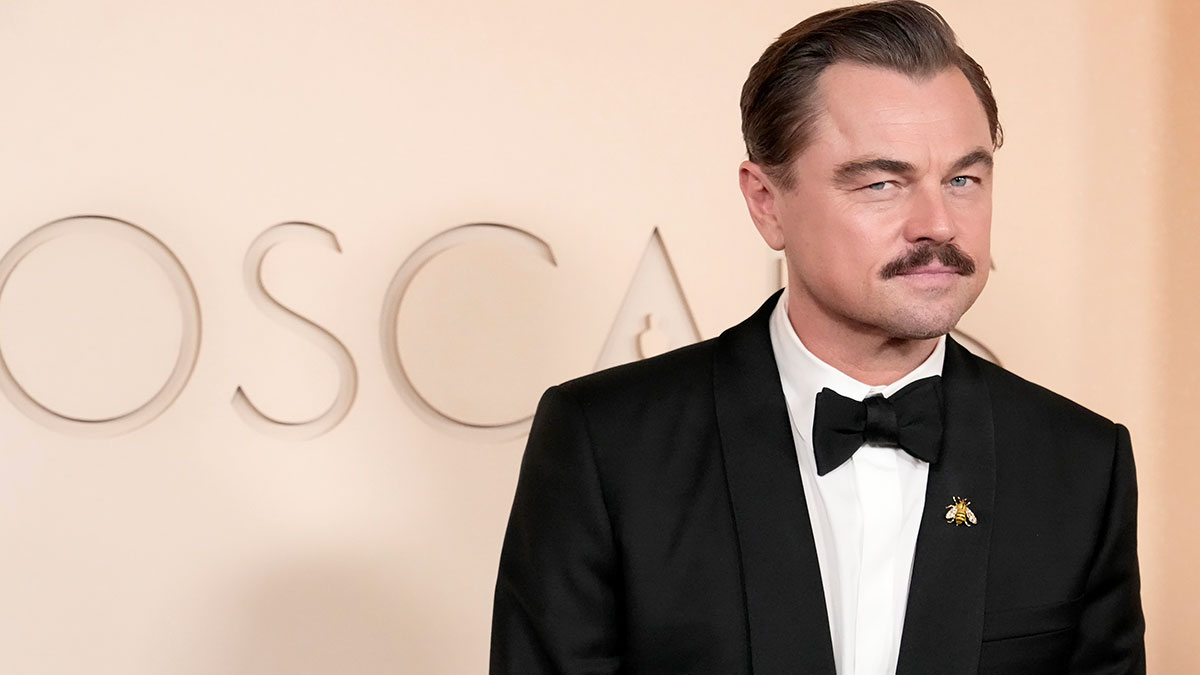
The image of the actor as a savior of islands is widely circulated, but the available data compels us to distinguish between what has been achieved and what has been announced. Leonardo DiCaprio is involved in conservation projects on two islands: Blackadore Caye in Belize and Isla Guafo in Chile. Only the second case, for now, represents a conservation effort that has already been completed.
Blackadore Caye: A Project with Permits, but No End in Sight
In 2005, DiCaprio, together with hotel entrepreneur Jeff Gram (owner of the Cayo Espanto resort), purchased this uninhabited 104-acre (about 42-hectare) island, located west of Ambergris Caye and near the Belize Barrier Reef. The transaction was valued at $1.75 million (about 1.56 million euros). The island was suffering from coastal erosion, mangrove loss, deforestation, and overfishing. The actor, whose net worth is estimated at more than 267 million euros, saw this as an opportunity to “heal the island.”
In 2015, the Blackadore Caye initiative, “A Restorative Island,” was officially unveiled. It was intended to be the world’s first “restorative” resort, combining luxury tourism with environmental restoration. The original plans called for 36 hotel bungalows and another 36 beachfront villas for sale to investors, all fossil-fuel-free, powered by renewable energy, featuring permaculture gardens, rainwater and waste treatment systems, and a climate change research station. The project also aimed to meet the Living Building Challenge, a rigorous environmental standard that requires self-sufficiency in water and energy.
The measures announced in 2016 included planting some 20,000 red mangroves, restoring vegetation cover with native species, and setting aside half of the land for conservation. Paul Scialla, founder of Delos, joined the initiative, and the opening was initially scheduled for 2018.
Two decades later, with no opening date
The Belize Department of the Environment has recorded the revised environmental impact assessment as approved, with a signed environmental compliance plan. However, this procedure does not confirm that construction has been completed or that the ecosystem has recovered. According to CEO Today, DiCaprio continues to own the island, but it is not open to the public; there is no confirmed opening date; and construction has suffered significant delays due to environmental issues, regulatory hurdles, and the logistical challenges of building a high-end, sustainable development in a fragile ecosystem. The sources consulted did not identify any documentation confirming the complex’s opening.
The project was not without controversy either. Organizations such as the Bonefish & Tarpon Trust warned that structures in shallow waters could damage key fishing habitats. In October 2016, the developers announced that they would remove the overwater accommodations from the design, although the organization also called for the permit to be revoked in case it were used later or set a precedent. Criticism has also come from a broader perspective: Can an ultra-luxury resort balance its environmental footprint with a high-consumption model?
Guafo Island, the Chilean Paradise
The other piece of the puzzle lies in the South Pacific. In the summer of 2025, Re:Wild—an organization founded by DiCaprio, to which he has channeled a significant portion of his foundation’s activities (amounting to nearly 100 million euros in grants)—acquired Guafo Island, known as “the little Galápagos,” with the intention of donating it to the Chilean government to create a national park. The amount was not made public, although it is estimated to be around $30 million (about 26.8 million euros).
The island is home to the world’s largest breeding colony of Sooty Shearwaters, as well as Magellanic penguins, otters, sea lions, and blue whales. It also features a historic lighthouse dating from 1907, staffed by members of the Chilean Navy. The actor stated on social media that the area is protected from coal mining, logging, and other destructive industries.
