







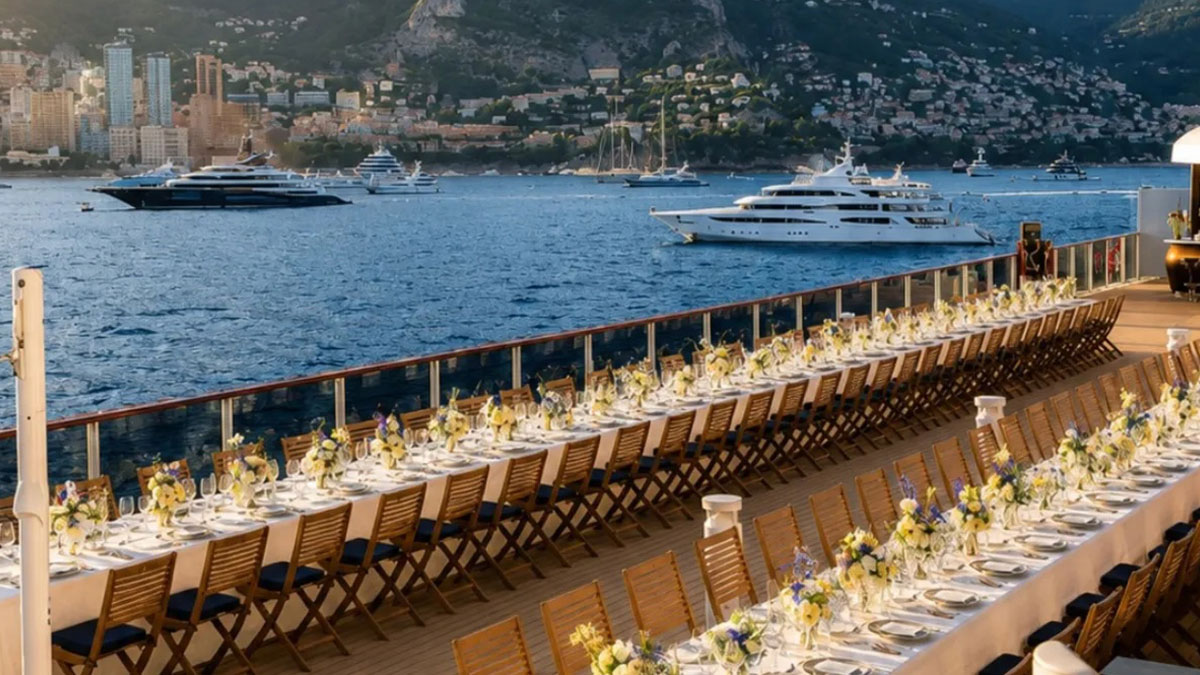
Louis Vuitton has unveiled the Dinner Yacht Orient Express, a new concept in onboard dining experiences, a project developed in collaboration with the creative studio Band of Luxury. By combining travel, gastronomy, and design within a single floating space, the fashion house reaffirms its growing interest in immersive luxury experiences—a realm that LVMH has been exploring for years beyond its traditional fashion and leather goods lines. The message is clear: luxury is no longer just something you wear; it’s also something you embark on, savor, and remember while on the move.
The concept is part of the group’s hospitality strategy, which includes the Cheval Blanc hotels and the revitalization of the Orient Express brand in partnership with the French hotel giant Accor. The partnership combines the relaunch of the historic luxury train with the already operational Orient Express Sailing Yacht—the company’s first large yacht—expanding an ecosystem designed to accompany the customer throughout their entire journey, not just at the time of purchase.
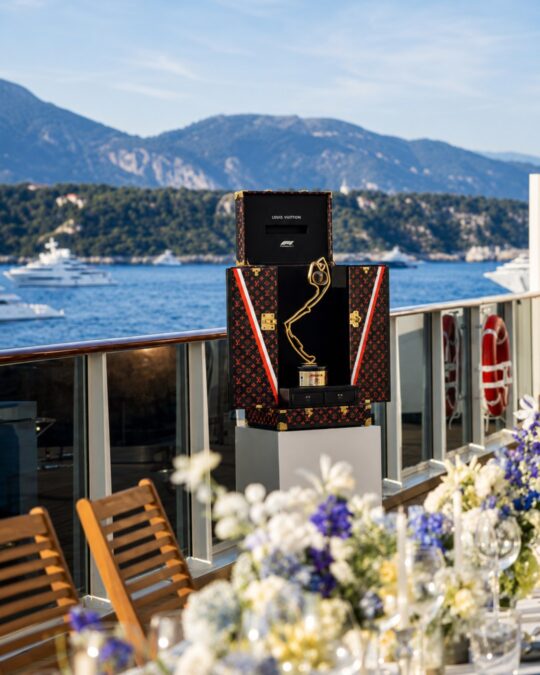
That very yacht, launched just a few weeks ago, is now sailing along the French and Italian Rivieras with a very specific goal: to attract the new generation of billionaires who have emerged from the tech boom—for whom experiences matter more than material possessions. This strategy responds to a market trend. Allied Market Research estimates that the global luxury hospitality market will exceed 1.5 trillion dollars by 2030, with dining and experiential travel as the main drivers of growth.
For now, the Orient Express Sailing Yacht uses major events such as the Cannes Film Festival and the Monaco Grand Prix as a showcase for its clientele. A four-day suite cruise starts at around 25,000 euros, while the yacht prominently features other LVMH brands, such as a Guerlain beauty salon and bottles of Hennessy cognac in the most exclusive suites.
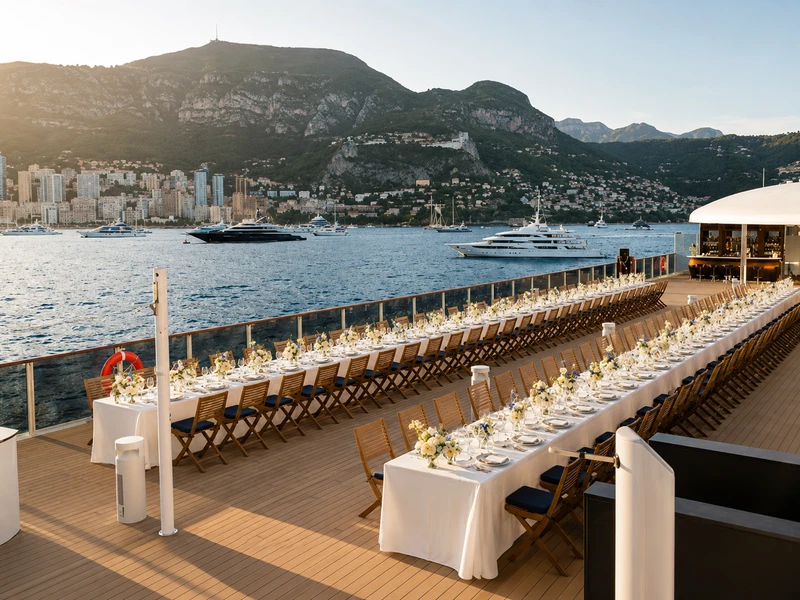
The strategy goes far beyond simply opening branded restaurants, as companies like Gucci, Dior, and Prada have done. LVMH’s approach is to build a comprehensive hospitality ecosystem in which hotels, trains, yachts, and dining experiences reinforce one another. The goal is not only to capture a larger share of the customer’s spending but also of their time, making the brand the common thread throughout the entire journey.
Accor and LVMH also hold reciprocal future purchase options, although neither company has yet disclosed the operating profit or the valuation of the joint venture. Orient Express’s high-end assets are estimated at around 1 billion euros. For Accor, which is under pressure from slower growth in traditional chains such as Ibis and Novotel, the alliance represents a new avenue for expansion. For LVMH, with its much higher revenue and strong investment capacity, it could become one of the pillars of its strategy as luxury consumption evolves.
While for decades major brands competed to sell the best product, the next battle in the luxury sector appears to be over controlling their customers’ time, travel, and experiences. The Dinner Yacht Orient Express is an example of this new strategy.