








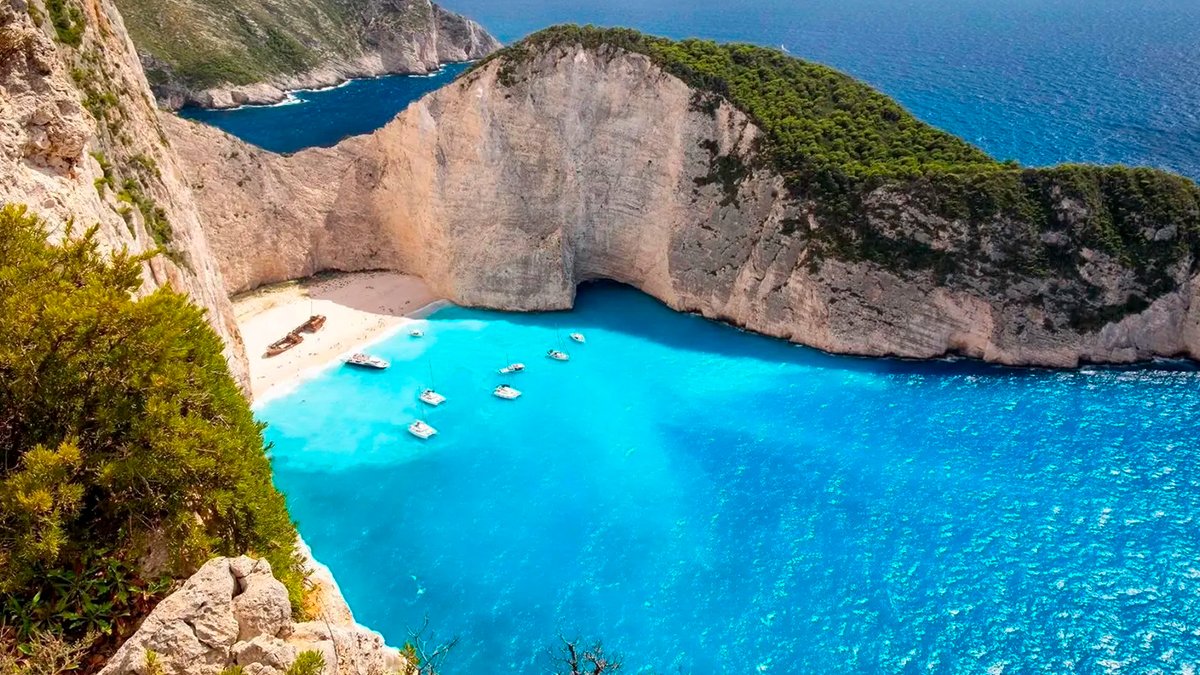
Navagio is one of the most recognizable beaches in the world. Nestled beneath towering white cliffs on the Greek island of Zakynthos, the cove stands out for its intense blue color and the rusted wreck of a cargo ship that ran aground there more than forty years ago. The shipwreck made this hidden corner famous among travelers from all over the world. Now, Greece plans to modify the coastline to help protect it from disappearing.
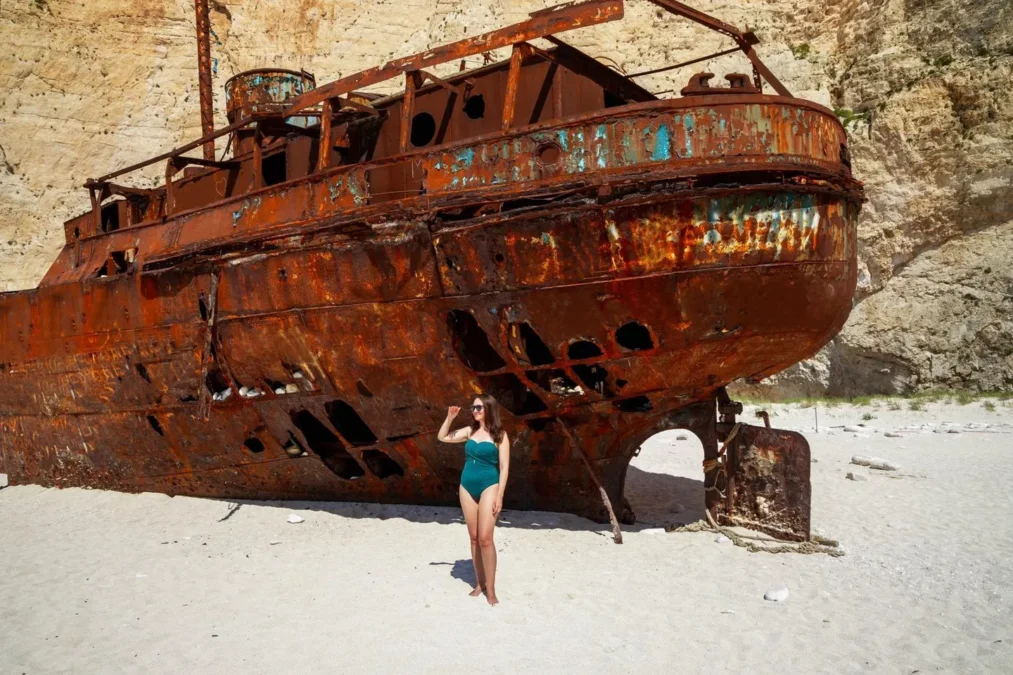
When I visited it a few years ago, I was surprised to see how much of the ship had already disappeared. Most of the photos still show the ship practically intact, but now a large part of the hull has disintegrated into unrecognizable metal fragments. Even then, I knew something had to be done to preserve this legendary site.
Tourism in Zakynthos changed forever after the MV Panagiotis ran aground on Navagio Beach during a storm on October 5, 1980. The ship remained there, and part of it is still buried in the beach’s limestone gravel. But over the years, the main hazard at Navagio has shifted from the shipwreck itself to the cliffs surrounding it.

In 2018, a rockslide injured seven people, prompting authorities to restrict swimming and boat access. Following a 5.4-magnitude earthquake near Kefalonia and Zakynthos in September 2022, another rockslide occurred. The authorities then closed the beach to everyone while they assessed whether the risk of falling rocks persisted.
This summer, travelers are still not allowed to visit the beach. Boats and swimming in the bay are prohibited until at least October 31, 2026, as engineers have once again warned of the instability of the limestone cliffs overlooking the cove. In addition, tourists are prohibited from taking selfies from dangerous spots on the cliffs following numerous accidents.
The Plan to Protect the Beach
The new preservation plan proposes adding about 45,000 cubic meters of gravel to the shoreline, which would widen the beach by about 30 meters. This additional strip of land would move the waterline away from the shipwreck, protecting it from waves, salt, and winter storms.
Right now, the ship is about 25 meters from the sea. Expanding the beach won’t repair the ship, but it could slow erosion and facilitate the shipwreck conservation efforts, which have been in the planning stages for years.
Visitors can still view Navagio from special lookout points above the beach, but no one is allowed to enter the cove. Authorities inspect the area twice a year to determine whether it is safe to reopen. The closure is primarily due to the cliffs, not the ship itself.
How a Shipwreck Became the Island’s Hallmark
Before the accident, this stretch of coastline was remote and little known outside of Zakynthos. Over time, the rusted ship blended into the landscape, turning the cove into one of the most photographed spots in Greece and a common sight on postcards, tourist posters, and social media around the world.
But years of salt, wind, and waves have corroded the metal. Large sections have disappeared, and parts of the remaining structure continue to crumble. Without intervention, Zante could lose the ship that gave Navagio its iconic name, Shipwreck Beach.
The beach expansion is not intended to create more space for swimmers. Its main goal is to stabilize the area around the shipwreck and buy time. Once the coastal work is complete and the safety of the cliffs has been ensured, the meticulous work of preserving the ship can begin.
For now, people view Navagio from above rather than visiting it by sea. This proposal is the strongest indication to date that Greece wants to keep the ship where it is, rather than let it gradually disappear into the Ionian Sea.