






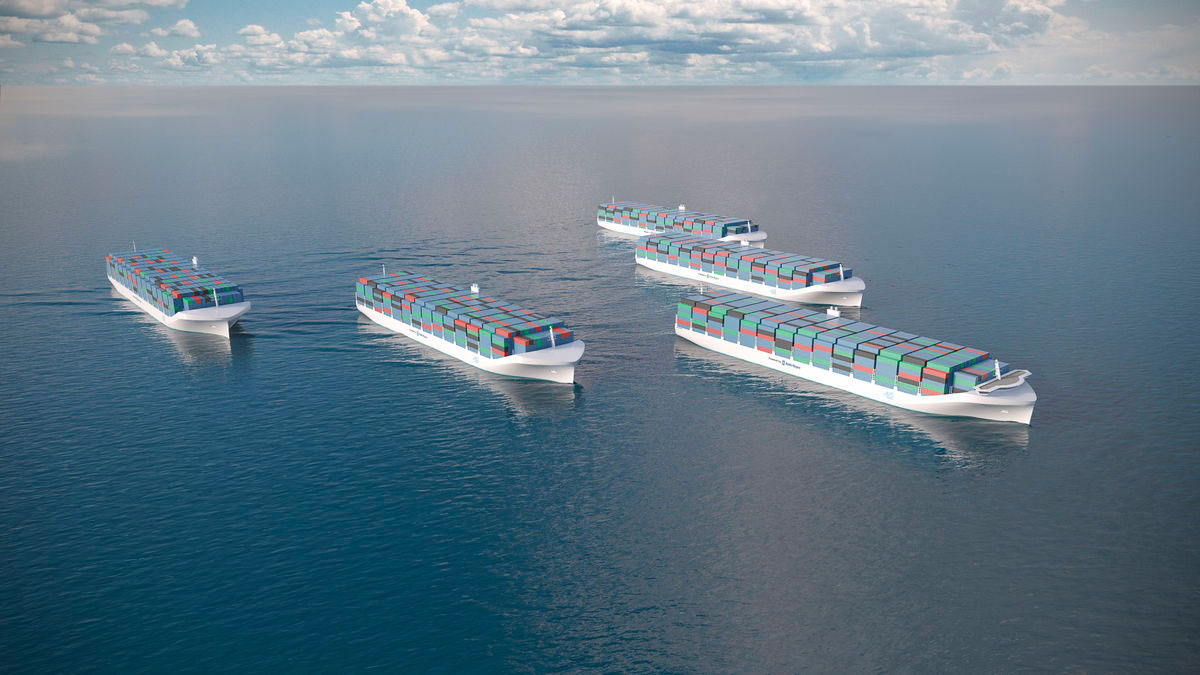
Faced with the challenge posed by the increasingly common use of autonomous ships, the International Maritime Organization (IMO) has just taken a giant step forward in the oversight and regulation of this unprecedented technology. This involves the adoption of the MASS Code, a regulatory measure for which the maritime sector has adopted terminology and concepts inspired by aerial drones. The creation of this code is the culmination of nearly a decade of multilateral discussions and sea trials aimed at safely integrating emerging technologies. As Arsenio Domínguez, Secretary-General of the IMO, has pointed out, this is a “historic achievement” that demonstrates the organization’s ability to shape the future of maritime transport and allows it to embrace innovation while ensuring that “safety, accountability, and the human element remain at the heart of maritime operations.”
What exactly is the MASS Code?
The MASS Code (an acronym for Maritime Autonomous Surface Ships) is a regulatory text supplementing the SOLAS Convention developed by the IMO. Its main objective is to establish a safety framework to ensure that commercial ships without a physical crew or that are remotely operated operate with a level of safety and environmental protection equivalent to that of a conventional ship.
What does its entry into force on July 1, 2026, mean?
This is not a mandatory measure—at least not yet. July 1 marks the start of a crucial transition period for the maritime sector. The IMO’s goal is to adopt the final version of the code on July 1, 2030, so that compliance becomes strictly mandatory worldwide as of January 1, 2032.
What is beginning now is a transition period during which the use of the MASS code will be voluntary—what is known in legal circles as “soft law” or non-binding guidelines. This phased implementation marks the start of the Experience Building Phase (EBP), and by the end of 2026, the framework for this empirical testing phase will be established, with the goal of verifying the code’s actual suitability for regulating autonomous vessels. All the information, data, and experiences gathered during this voluntary period will be used to begin drafting the final, mandatory version of the MASS Code starting in 2028.
Will this affect non-commercial vessels?
Currently, the MASS Code focuses exclusively on commercial cargo ships and does not apply to all autonomous vessels. According to the regulations, its application is limited to ships covered by the SOLAS Convention (International Convention for the Safety of Life at Sea). Within this group, the regulatory framework applies only to cargo ships, explicitly excluding high-speed craft (HSCs) and vessels subject to sovereign immunity, such as military vessels or those owned by states.
However, although the IMO’s current goal is to safely integrate these commercial vessels into global maritime transport, the door is left open for these regulations to be extended to other types of autonomous vessels in the future.
What are the levels of autonomy outlined in the MASS Code?
The Code does not assume a direct transition to unmanned ships, but rather classifies vessels into four progressive levels of autonomy:
Level 1: Vessels with automated processes and decision-making support, but with crew members on board ready to operate, monitor the systems, and take command.
Level 2: Vessels controlled remotely from another location, but with a crew on board available to take control if necessary.
Level 3: Vessels controlled entirely remotely with no crew on board.
Level 4: Fully autonomous vessels, where the operating system itself is capable of making decisions and determining actions on its own without human intervention.
Is this the end of the captain’s role?
Despite the term “autonomous,” the cornerstone of the MASS Code is human oversight. The regulations establish an unbreakable rule: there must always be a human captain in command. The code emphasizes that the captain retains uninterrupted authority and overall responsibility for the vessel, regardless of whether he or she is physically on board or controlling the ship from a screen thousands of kilometers away.