








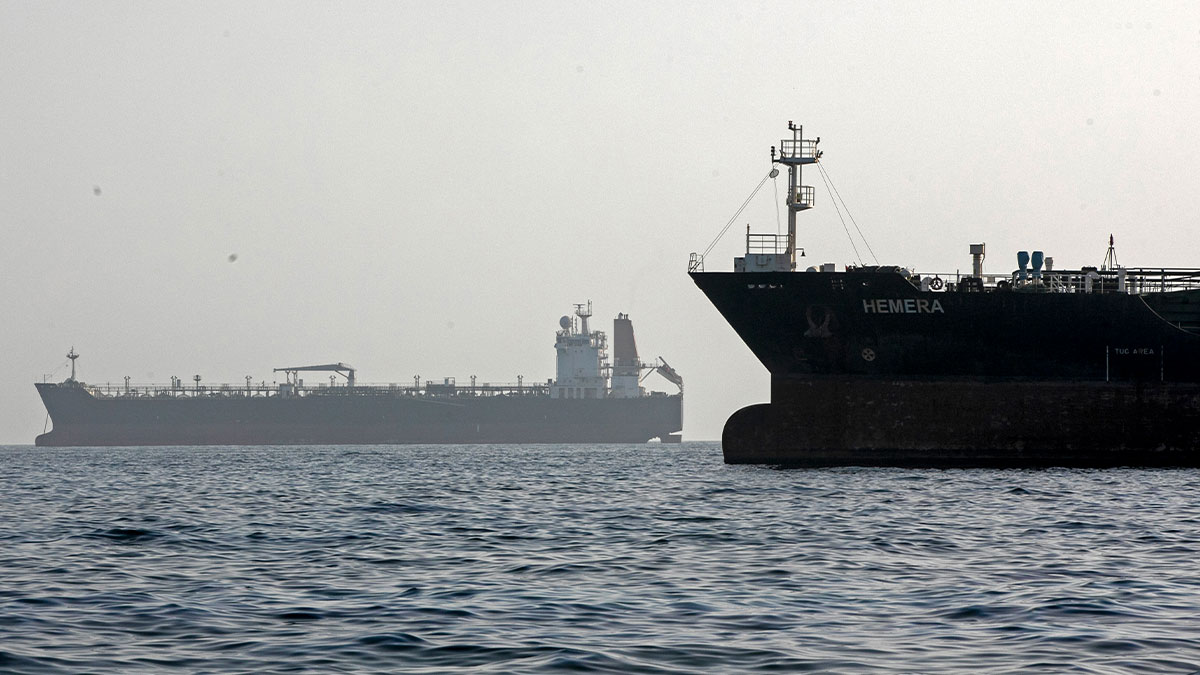
The reopening of the Strait of Hormuz has become one of the key announcements resulting from the preliminary peace agreement reached this Sunday between the United States and Iran to end three and a half months of war in the Middle East. U.S. President Donald Trump confirmed that, once the agreement is signed this coming Friday in Switzerland, this strategic maritime corridor for global energy trade will be reopened.
“Congratulations to everyone! I hereby fully authorize the opening of the Strait of Hormuz without tolls and, at the same time, authorize the immediate lifting of the U.S. naval blockade. Ships of the world: start your engines! Let the oil flow!” Trump wrote on Truth. Hours later, he clarified that the reopening would take place after the official signing of the agreement, allowing for prior mine-clearing operations in the area.
The announcement comes after Pakistan, which has been mediating between the two sides, reported that Washington and Tehran had reached a preliminary peace agreement. Prime Minister Shehbaz Sharif stated that both sides have agreed to a permanent cessation of military operations and that the official signing will take place on June 19 in Switzerland.
The importance of the Strait of Hormuz lies in the fact that it is one of the most critical chokepoints for global maritime trade. This waterway connects the Persian Gulf with the Indian Ocean and serves as a vital route for the international transport of oil, gas, and fertilizers. During the conflict, uncertainty about its operation became a major concern for energy markets and global supply chains.
The prospect of a return to normal maritime traffic triggered an immediate reaction in the markets. The price of a barrel of Brent crude fell by more than 3%, settling at around $84, while the dollar also weakened against other major currencies.
However, the future of the strait remains one of the central issues in the negotiations. Iran has maintained that any agreement must recognize its sovereignty—along with that of Oman—over this strategic waterway. From Tehran, Deputy Foreign Minister Kazem Gharibabadi confirmed that the memorandum of understanding has been finalized and that the official signing will take place on Friday in Switzerland.
If the agreement is reached, the reopening of the Strait of Hormuz will mark the restoration of one of the most important arteries for global energy trade and one of the main objectives pursued by the parties since the conflict began.


